


 English (UK)
  Русский
  বাংলা
বাংলা  العربية
  日本語
日本語  한국어
한국어  Magyar
  Norsk nynorsk
  Türkçe
  עִבְרִית
  Español
  Čeština
  Svenska
  Português
  Ελληνικά
  Suomi
Suomi  Nederlands
  Română
  Italiano
  Français
  Polski
  Українська
  Deutsch
  简体中文
简体中文  Slovenčina
  Српски језик
  اردو
اردو  Azərbaycan dili
  O‘zbekcha
  አማርኛ
አማርኛ 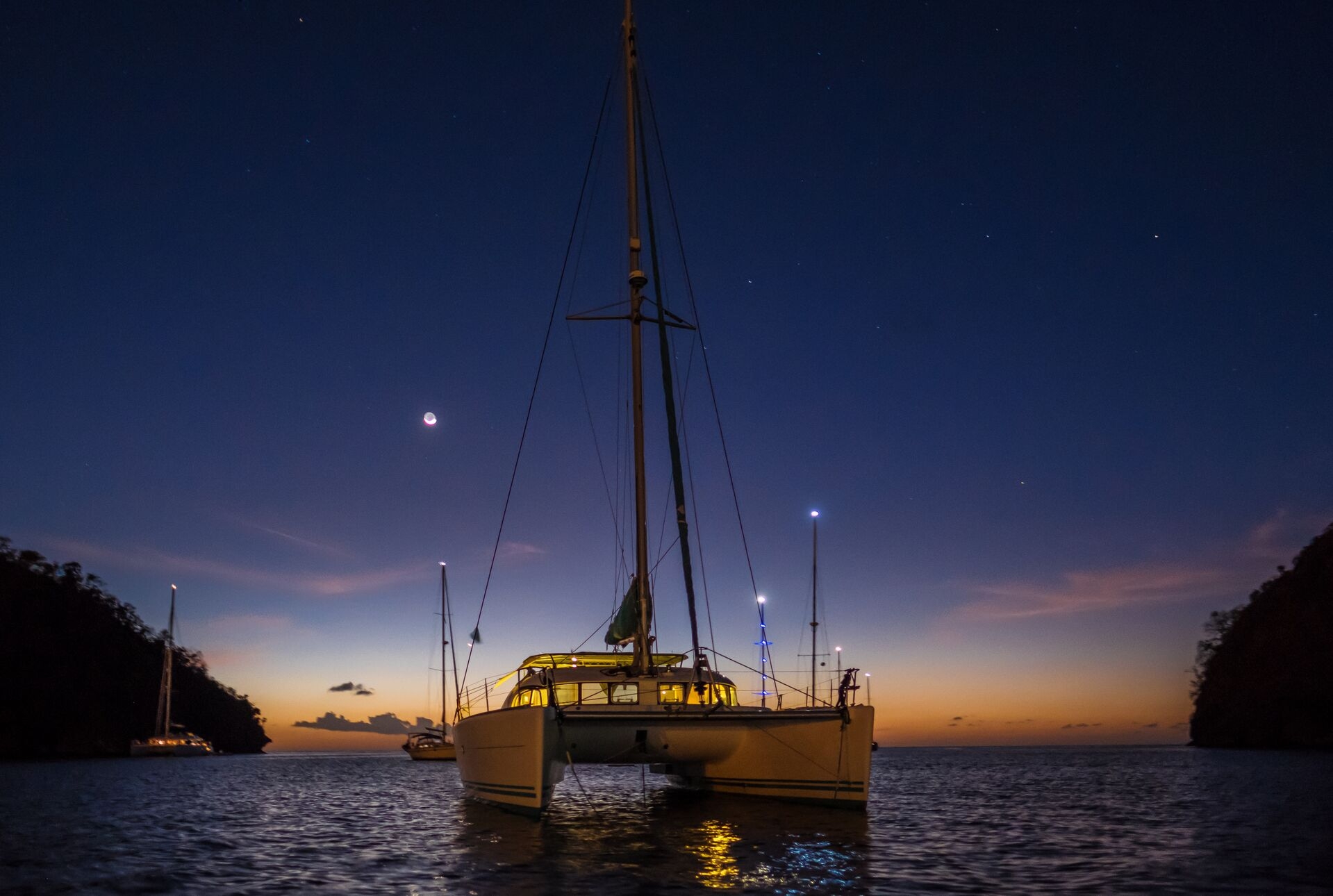

Mandatory lights between sunset and sunrise
Between sunset and sunrise, vessels underway must display red port and green starboard sidelights, plus a white stern light; power-driven boats are also required to show a white masthead light or an equivalent all-round white light. An anchored vessel must exhibit an all-round white anchor light visible for 360 degrees to indicate it is stationary and avoid collisions with moving traffic or commercial craft.
Types of navigation and special lights
Knowing which lamp does what is essential for safe passage and for staying on the right side of maritime regulations.
Primary navigation lights
Sidelights — red on the port (left) side and green on the starboard (right) side — show another vessel your heading and help determine crossing situations. Stern light is a white light at the rear that makes you visible from behind. Masthead light (white) is fitted forward on power-driven vessels to indicate power propulsion and approximate length.
All-round and anchor lights
Small craft sometimes substitute a single all-round white light for separate masthead and stern lights. When at anchor, deploy an all-round white anchor light so the boat is visible from any bearing; this should be extinguished while underway to avoid misinterpretation.
Special-purpose lights
Towing operations, law-enforcement patrols, and commercial workboats use dedicated lighting configurations and identification signals. Flashing or colored lights used by authorities are not substitutes for standard navigation lights unless explicitly permitted.
Light requirements by vessel size and type
Lighting requirements scale with vessel type. Recreational kayaks and small non-powered craft may rely on a single white all-round light in some jurisdictions, while larger power-driven vessels must carry properly placed masthead, sidelight, and stern lights. Sailing vessels under way often display sidelights and a stern light or, for certain sizes, a tricolor light at the masthead.
| Vessel Type | Typical Night Lights Required | Use Case |
|---|---|---|
| Small non-powered craft | All-round white light | Paddling in bays or near shore |
| Sailing vessels | Red/green sidelights + white stern or tricolor | Under sail at night |
| Power-driven vessels | Masthead + sidelights + stern light | Open-water navigation and coastal runs |
| Anchored vessels | All-round white anchor light | At rest in anchorages |
Common mistakes and how they affect tourism
Incorrect color, misplacement, or inadequate brightness of navigation lights can cause near-misses and regulatory fines. For coastal tourism operators—yacht parties, evening museum harbor tours with live guides, or sunset cruise packages—proper lighting is both a safety and reputational requirement. Confusing lights on a charter can spoil guest confidence and lead to cancellations.
- Wrong color or side placement creates ambiguity about your heading.
- Using an anchor light while underway may indicate you are stationary, inviting dangerous approaches.
- Dim or obstructed lenses reduce visibility in crowded anchorages and shipping lanes.
Maintenance checklist
Regular inspections keep lights reliable:
- Check functionality before every night run; replace bulbs when dim.
- Clean lenses and remove obstructions from fittings and guard rails.
- Carry spare bulbs and basic tools; know how to rewire or swap a lamp in low light.
Practical on-water behaviour
Always confirm light configurations of vessels around you, reduce speed in restricted visibility, and be prepared to take early avoiding action. For charter customers, ask the operator about the vessel’s night-light checks and safety briefings before boarding.
Legal considerations and boater education
Light requirements are enforceable under maritime regulations; failing to show proper lights can result in fines or liability after a collision. Completing a boater education course improves understanding of light placement, visibility, and when specific configurations apply—especially useful for captains of leisure craft and tour operators running night excursions.
Highlights: correct use of red and green sidelights, a properly mounted white stern or masthead light, and the mandatory all-round white anchor light while at anchor. Remember that maintenance and correct installation protect passengers and avoid penalties. Nonetheless, even the best reviews and the most honest feedback can’t truly compare to personal experience. On GetExperience, you book your experience from verified providers at reasonable prices. This empowers you to make the most informed decision without unnecessary expenses or disappointments, while benefiting from secure payments and voucher confirmation. Book your Trip GetExperience.com
In summary, night navigation lighting is straightforward when rules are followed: display the correct sidelights, stern or masthead lights, and an anchor light as required by vessel type and activity. Regular maintenance, proper placement, and clear communication with passengers and nearby boats make night outings—whether adventure rafting trips for beginners, exclusive yacht charters for events, or museum tours with live guides—safer and more enjoyable. Prioritize these checks to protect your guests and reputation on the water while exploring luxury adventure travel experiences, eco-friendly wildlife safaris, cruise packages, and other travel experiences.