


 English (UK)
  Русский
  বাংলা
বাংলা  العربية
  日本語
日本語  한국어
한국어  Magyar
  Norsk nynorsk
  Türkçe
  עִבְרִית
  Español
  Čeština
  Svenska
  Português
  Ελληνικά
  Suomi
Suomi  Nederlands
  Română
  Italiano
  Français
  Polski
  Українська
  Deutsch
  简体中文
简体中文  Slovenčina
  Српски језик
  اردو
اردو  Azərbaycan dili
  O‘zbekcha
  አማርኛ
አማርኛ 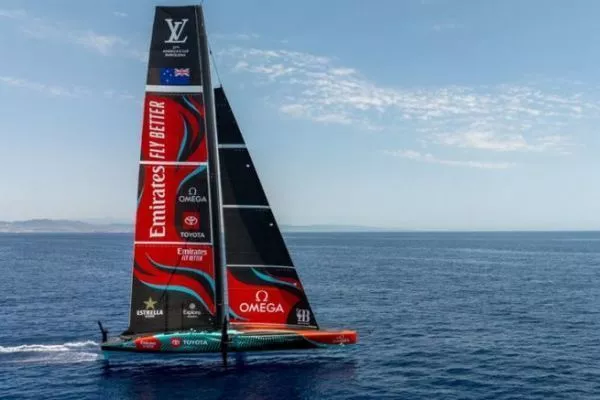

Port logistics and event scheduling: Naples gears up for a biennial Cup
Organizing the 38th America’s Cup in Naples requires synchronized port logistics: dedicated berthing slots for multiple AC75 foiling monohulls, expanded laydown areas for composite part fabrication, and a secure corridor for on-site simulation rigs and sensor calibration. The newly formed America’s Cup Partnership (ACP) commits to a fixed biennial calendar, which will simplify charter planning, customs clearances for racing gear, and forecasting for transport carriers and marinas.
Who formed the partnership and what it changes
The alliance comprises Emirates Team New Zealand, Athena Racing, Luna Rossa Prada Pirelli, Tudor Team Alinghi and K-Challenge. The ACP establishes an independent management structure to coordinate marketing, logistics and event continuity from one edition to the next, moving away from the historical model where the Defender unilaterally set terms.
Key governance shifts
- Independent management: a dedicated team will oversee event operations and commercial strategy.
- Two-year cadence: regularity aligned with broadcasters and sponsors for predictable rights and production planning.
- Revenue sharing and cost controls: pooled logistics and infrastructure expenses to lower barriers to entry.
Financial and competitive effects
Introducing revenue sharing and cost-control mechanisms aims to reduce budget disparities without equalizing technical innovation. By pooling expenses—transport, security, temporary infrastructure—the ACP hopes to attract new challengers and stabilize sponsor commitments. For logistics providers and freight operators, a biennial schedule enables capacity contracts and more efficient routing of oversized composite components.
Table: Operational changes under ACP
| Area | Previous model | ACP model |
|---|---|---|
| Event timing | Irregular, Defender-led | Biennial fixed calendar |
| Management | Defender-controlled | Independent management team |
| Costs | Individual team responsibility | Pooled expenses and cost controls |
Technology and pathways for talent
The America’s Cup remains a technological showcase: AC75 foilers now exceed 55 knots and use electronics comparable to several F1 cars with tens of thousands of sensors. The ACP pledges to keep innovation central—advancing composites, simulation tools and embedded systems—while formalizing programs to bring younger sailors and women into top-tier crews.
Inclusion targets and development
- From 2027 each team is expected to carry at least one female sailor on the AC75.
- Continued investment in youth training competitions to create a talent pipeline.
- National federations gain a clearer platform to build high-performance programs.
What this means for sailors and host cities
Team leaders such as Max Sirena, Ernesto Bertarelli and Stephan Kandler view the ACP as a move toward transparency and collaboration. For professional sailors, predictable cycles reduce career uncertainty and create steady opportunities for event programming and sponsorship. For host cities like Naples, the new model offers clearer lead times for upgrading marinas, transport links and visitor infrastructure—critical elements that affect the tourism experience during race weeks.
Tourism and visitor impact
Race organizers and municipal planners can now coordinate hospitality, excursion schedules and cultural programs in parallel with logistics planning. Visitors benefit from improved spectator berthing, organized hospitality zones, and curated shore-side activities that can include museum tours with live guides and coastal sightseeing excursions.
Practical takeaways at a glance
- Predictability: biennial staging simplifies travel and transport bookings.
- Access: cost controls may increase the number of challengers and fan-facing events.
- Innovation: continued tech investment ensures high-performance spectacle.
The partnership’s combination of governance reform, shared costs, and a commitment to inclusion sends a clear signal that the America’s Cup is evolving from episodic contests to a professionally managed series with reliable logistics and commercial frameworks. For travelers and race fans, that means more stable event dates, better-organized shore programs and the chance to combine sailing spectacle with local cultural experiences.
Highlights include the move to a fixed two-year schedule, independent event management, pooled logistics and the historic commitment to female sailors aboard AC75s. Yet, even the best reviews and the most honest feedback can’t truly replace personal experience. On GetExperience, you book experiences from verified providers at reasonable prices, with full and secure payments through the website and voucher confirmation afterward; you can also submit requests tailored to your needs and receive offers that match your preferences. This transparency and convenience help you avoid unnecessary expenses and disappointment—Book your Trip GetExperience.com
In summary: the ACP brings predictable schedules, centralized management, cost-sharing and a renewed focus on technology and inclusion. These changes are likely to improve logistics, broaden access for challengers, and enrich the tourism product around hosting cities—enhancing travel experiences, adventure activities, museum tours with live guides, eco-friendly wildlife safaris and even luxury adventure travel experiences for visitors seeking more than just race-day views.