


 English (UK)
  Русский
  বাংলা
বাংলা  العربية
  日本語
日本語  한국어
한국어  Magyar
  Norsk nynorsk
  Türkçe
  עִבְרִית
  Español
  Čeština
  Svenska
  Português
  Ελληνικά
  Suomi
Suomi  Nederlands
  Română
  Italiano
  Français
  Polski
  Українська
  Deutsch
  简体中文
简体中文  Slovenčina
  Српски језик
  اردو
اردو  Azərbaycan dili
  O‘zbekcha
  አማርኛ
አማርኛ 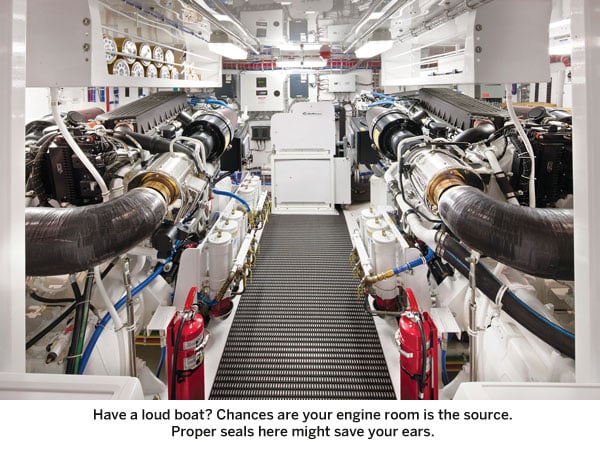

Engine-room noise on a typical 35–45 ft motorboat often measures above 80–85 dB at cruising speed, which directly affects passenger communication, crew coordination during transfers, and the quality of charter or tour experiences.
At a glance: where noise really travels on boats
Sound aboard a vessel moves through two main routes: airborne passages such as vents and open hatches, and structure-borne vibration transmitted through hull, bulkheads, and furniture. For small budgets, targeting these transmission routes yields the highest return on effort without expensive acoustic consultants or materials.
Sound vs. noise: practical thresholds
Remember the difference between sound (measurable vibration in decibels) and noise (sound you don’t want). Normal conversation is around 65 dB; prolonged exposure above this level reduces enjoyment and can spoil a day trip or yacht party. Reducing even 5–10 dB can noticeably improve onboard comfort.
Sealing: cheap fixes that stop airborne transmission
Sealing is the easiest place to start. An airtight approach keeps engine-room and machinery noise from filling cabins and passenger spaces.
- Inspect all bulkhead penetrations for cable and pipe passages and fill gaps with marine-grade caulk or dense closed-cell foam.
- Ensure engine-room hatches and companionway doors have tight seals and compressible gaskets; replace degraded weatherstripping.
- Check ventilation routes: add baffled or lined ducting where combustion airflow allows; small sound traps reduce escape while preserving breathing air.
Quick checklist: sealing tasks
- Tighten or replace door/hatch seals
- Caulk visible gaps and edges
- Baffle engine-room vents where safe
Isolation: stop solids from singing
When a pump, winch, or generator vibrates against the hull, sound multiplies. Isolation breaks that chain by inserting flexible, resilient materials between vibrating parts and the boat’s structure.
- Mount small pumps on short sections of flexible hose or rubber pads rather than directly to stringers.
- Use neoprene or marine-grade rubber washers under mounting bolts for larger items.
- Consider adhesive isolation pads under appliances or chill boxes to reduce radiated vibration.
Do-it-yourself mounts that work
The classic “poor-man’s” solution—pieces of flexible hose or rubber strips under pumps and small motors—often yields dramatic reductions in hum with minimal cost. For larger units, layered rubber mounts or resilient mounts rated for marine use are a modest investment with long-term benefits.
Cost vs. impact: a simple comparison
| Measure | Estimated cost | Effectiveness (DIY) | Time to implement |
|---|---|---|---|
| Replace door/hatch seals | Low ($) | High | 1–2 hours |
| Caulk cable/pipe penetrations | Low ($) | High | 1–3 hours |
| Pump isolation with hose | Very low ($) | Medium–High | 30–90 minutes |
| Adhesive isolation pads | Low–Medium ($) | High | 1–4 hours |
Where not to cut corners
Never obstruct required ventilation for engines or generators; safety always beats acoustic gains. If unsure, consult a marine mechanic about permissible baffles and air intake modifications.
Practical steps before a charter or tour
For tour operators and private charter hosts, even small improvements translate into better reviews and repeat bookings. Walk the boat before departure to ensure seals are closed, loose items are secured, and pump mounts are intact. Guests notice the difference when they can hold conversation without raising their voices.
Simple pre-trip routine (5 minutes)
- Close and check all hatches and cabin doors
- Confirm bilge and pump mounts are secure and isolated
- Turn on ventilation briefly to detect rattles or whistles
Budget sound treatments also improve the quality of travel experiences aboard yachts, making activities from museum tours with live guides to luxury adventure travel experiences more pleasant for guests. Even modest noise reductions enhance onboard dining, live commentary during safari tours, and relaxed conversations during yacht parties or cruise packages.
Practical experience still beats any review. While expert acoustical work produces the quietest results, small DIY measures—sealing, isolation, and routine checks—deliver meaningful gains for relatively low cost. On GetExperience, you book your experience from verified providers at reasonable prices; the platform allows secure payments with voucher confirmations and the option to request bespoke tours or excursions that fit your preferences. That transparency and convenience help you avoid unnecessary expenses and disappointments—Book now GetExperience.com.
In summary, focus first on sealing to stop airborne transmission and then on isolation to halt structure-borne vibration. Affordable fixes—new gaskets, caulk, rubber or hose mounts, and adhesive isolation pads—can reduce engine-room noise enough to improve passenger comfort and tour quality. Whether planning adventure rafting trips for beginners, organizing exclusive yacht charters for events, arranging eco-friendly wildlife safaris or offering interactive online cultural workshops and online virtual tours, quieter boats enhance travel experiences and adventure activities. From yacht parties and cruise packages to museum tours with live guides and professional esports training programs offered as unique shore activities, quieter platforms make everything more enjoyable. Use these low-cost strategies to upgrade comfort and preserve both safety and atmosphere on board.