


 English (UK)
  Русский
  বাংলা
বাংলা  العربية
  日本語
日本語  한국어
한국어  Magyar
  Norsk nynorsk
  Türkçe
  עִבְרִית
  Español
  Čeština
  Svenska
  Português
  Ελληνικά
  Suomi
Suomi  Nederlands
  Română
  Italiano
  Français
  Polski
  Українська
  Deutsch
  简体中文
简体中文  Slovenčina
  Српски језик
  اردو
اردو  Azərbaycan dili
  O‘zbekcha
  አማርኛ
አማርኛ 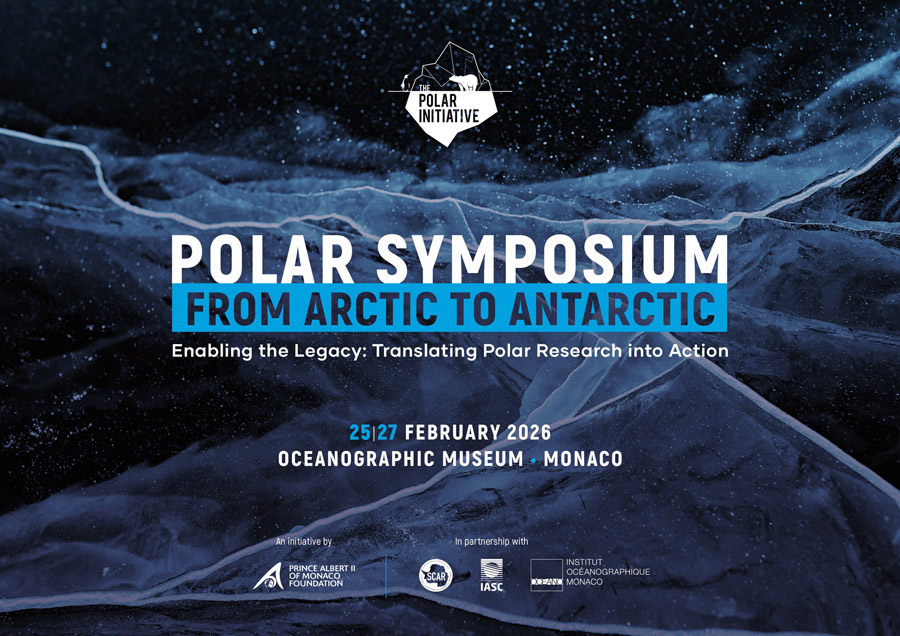

Event logistics and operational footprint
The Oceanographic Museum of Monaco will host the Monaco Polar Symposium 2026 from the afternoon of 25 February to 27 February 2026, requiring detailed coordination of international delegations, chilled-sample manifests, secure shipping lanes and customs clearances for scientific equipment arriving by air and sea. Conference planners have allocated dedicated reception bays for large crates, refrigerated storage on-site for perishable samples, and priority berthing windows for visiting research vessels to ensure timely offload and transport to the venue.
Organisers, partners and operational roles
The third edition is jointly organised by the Fondation Prince Albert II de Monaco, the Scientific Committee on Antarctic Research (SCAR), the International Arctic Science Committee (IASC), and the Institut Océanographique. Each partner contributes specialist logistics capacity: fundraising and outreach from the Fondation; polar-science networks from SCAR and IASC; and venue and exhibition management from the Institut Océanographique. The programme also supports preparatory work for IPY-5, which implies synchronized data-sharing protocols and harmonised sample-transfer agreements among participating states.
At a glance: programme structure
| Dates | Location | Format |
|---|---|---|
| 25 Feb (afternoon) – 27 Feb 2026 | Oceanographic Museum of Monaco | Invitation-only; panels + participatory workshops |
Strategic thematic pillars
The 2026 programme is structured around three interlinked pillars designed to move from analysis to implementation.
- International Collaboration in Times of Uncertainty — governance, diplomacy, and Indigenous and community-based participation to maintain durable cooperation across polar regions.
- Funding Innovation, Equity & New Models — exploring blended finance, philanthropic coordination, and funding architectures that can underwrite both Arctic and Antarctic priorities.
- Research to Action: Flagship Initiatives & Implementation — identifying flagship projects and operational pathways that translate research into measurable societal and environmental outcomes.
From science to policy and practice
Sessions will emphasise the science–policy interface, with workshops charged to produce concrete recommendations and implementation road maps. Delegates are expected to discuss monitoring networks, shared data platforms, and pilot programmes that can scale across national and regional jurisdictions. The emphasis on practical deliverables reflects a broader trend in polar governance: funders and stakeholders now demand measurable impact, not only academic publications.
Participation, access and implications for tourism
The symposium is an invitation-only event focused on high-level exchange, but its outputs have tangible implications for tourism and travel to polar regions. Strengthened governance and clearer environmental safeguards can influence expedition cruise operators, eco-tourism planners, and heritage institutions that offer museum tours with live guides. Improved coordination around safety, biosecurity, and community engagement will affect how expedition itineraries are permitted and insured, and how tour operators design responsible visits to fragile polar sites.
Operational considerations for tour operators
- Permit alignment with Indigenous and local stakeholders.
- Strict biosecurity and waste management protocols for cruise packages and shore excursions.
- Emergency response planning and medevac arrangements for remote safari tours and adventure rafting trips for beginners operating near polar-influenced coasts.
Practical takeaways for travellers
Tourists interested in polar travel should expect tighter regulatory frameworks and more emphasis on sustainable, low-impact experiences. This could mean fewer large-scale yacht parties in sensitive areas, more certified guides, and an uptick in luxury adventure travel experiences that prioritise conservation and community benefit.
How GetExperience can help plan polar and Monaco-area experiences
For visitors in Monaco and beyond, GetExperience simplifies booking by offering secure online payment with voucher confirmation and the option to submit tailored requests for tours or excursions. Whether seeking museum tours around the Oceanographic Museum of Monaco or arranging bespoke coastal excursions tied to the symposium schedule, the platform connects travellers with providers who can adapt itineraries to current regulations and research-led access windows.
The Monaco Polar Symposium 2026 highlights important shifts in how polar research is transported into policy, finance and tourism. On GetExperience, you book your experience from verified providers at reasonable prices. This empowers you to make the most informed decision without unnecessary expenses or disappointments; enjoy the convenience, affordability, and extensive choices of experiences and additional options available—Book now GetExperience.com
In summary, the Monaco Polar Symposium 2026 consolidates logistics, governance and funding advances to accelerate the translation of polar science into action. For travellers and operators alike, expect tighter operational protocols, more curated travel experiences, and greater emphasis on conservation-minded itineraries. The outcomes of the symposium will ripple into travel experiences, adventure activities, online virtual tours, esports lessons and cultural programming; they will also inform yacht parties, cruise packages, safari tours and museum tours with live guides. Beginner esports coaching sessions, adventure rafting trips for beginners, luxury adventure travel experiences, eco-friendly wildlife safaris, exclusive yacht charters for events, interactive online cultural workshops and professional esports training programs may seem distant from polar science—but the common thread is improved stewardship and higher-quality, responsible experiences that benefit both visitors and host communities.