


 English (UK)
  Русский
  বাংলা
বাংলা  العربية
  日本語
日本語  한국어
한국어  Magyar
  Norsk nynorsk
  Türkçe
  עִבְרִית
  Español
  Čeština
  Svenska
  Português
  Ελληνικά
  Suomi
Suomi  Nederlands
  Română
  Italiano
  Français
  Polski
  Українська
  Deutsch
  简体中文
简体中文  Slovenčina
  Српски језик
  اردو
اردو  Azərbaycan dili
  O‘zbekcha
  አማርኛ
አማርኛ 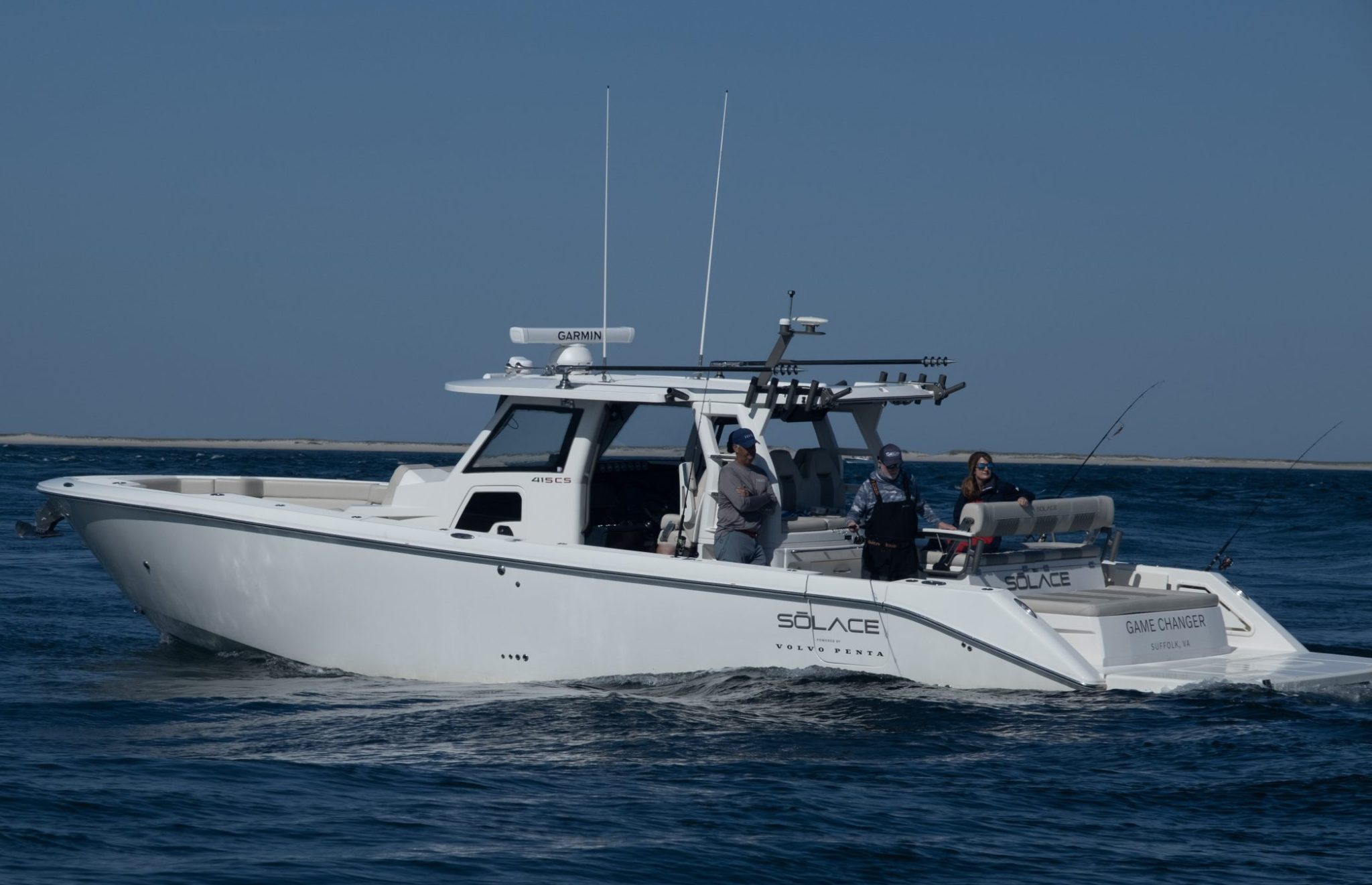

Diesel I/O and coastal logistics: efficiency that changes planning
Modern diesel inboard/outboard (I/O) installations typically deliver superior fuel efficiency and extended cruising range compared with equivalent gasoline outboards, which directly reduces the number of mandatory fuel stops on coastal itineraries and simplifies provisioning for multi-day runs. That translates into fewer port calls, reduced turnaround time at marinas, and more flexible routing when planning day trips or overnight cruises.
Five operational benefits at a glance
Below are the concrete ways contemporary diesel I/O systems alter the everyday operational picture for boaters and how those changes influence the travel and tourism experience afloat.
1. Safer sterns: props out of the way
With the I/O configuration, propulsion hardware is tucked away from the swim platform line, greatly reducing the risk to swimmers, divers, and tenders launching from the stern. In practical terms, marinas and anchorages see fewer swim-related incidents and operators have more confidence when planning family-friendly charters or excursion-based activities.
2. Inherent fuel-safety advantage
Diesel fuel is less volatile than gasoline, which lowers fire risk during bunkering and in engine-room incidents. For tour operators and private owners running night passages or multi-day trips, that reduced flammability is an operational safety margin that affects crew procedures, insurance considerations, and passenger reassurance.
3. Stress-free docking and low-speed control
Pairing modern diesel I/O with joystick control and refined low-torque response flattens the docking learning curve. Boats respond smoothly at idle, enabling single-operator maneuvers in crowded marinas or exposed slips. For tourism providers, this improves turnaround efficiency and reduces the likelihood of docking-related damage claims.
4. Range that reshapes itineraries
Greater fuel economy means longer legs between refueling. Operators can plan extended coastal passages, reach remote reefs and coves, or offer longer charter durations without adding fuel stops to the schedule. From a tourism perspective, that freedom widens the menu of possible itineraries and supports niche products like eco-friendly wildlife safaris or remote museum tours with live guides.
5. Quieter, cleaner operation
Contemporary diesel I/O platforms run with lower emissions and reduced perceptible noise. At typical cruising speeds the dominant sound is water on hull rather than mechanical clatter—improving onboard conversation, reducing fatigue on longer runs, and enhancing the overall guest experience on day trips and luxury adventure travel experiences.
Side-by-side comparison
| Characteristic | Diesel I/O | Gasoline Outboard |
|---|---|---|
| Propeller exposure | Protected, aft of transom | Often exposed at swim level |
| Fuel safety | Lower flammability | Higher volatility |
| Fuel efficiency / range | Typically higher | Typically lower |
| Low-speed maneuverability | Smoother with I/O controls | Can be jerky at low rpm |
| Noise and emissions | Quieter, lower emissions | Louder, more odor at older systems |
Operational recommendations for charter operators and cruisers
- Schedule refueling stops based on diesel consumption charts rather than distance alone to optimize itineraries.
- Train skippers on joystick and low-speed torque management to minimize docking incidents.
- Highlight the safer stern and quieter ride in marketing materials for family or eco-tourism trips.
- Include diesel bunkering safety briefings in pre-departure checks for passengers and crew.
What this means for tourism providers
Tour operators and charter companies that adopt modern diesel I/O platforms can offer longer, quieter, and safer experiences—whether that’s adventure rafting trips for beginners staged from coastal departure points, yacht parties with reduced noise impact, or curated museum tours with live guides that start from remote docks. Choosing diesel I/O changes logistics in favor of richer itineraries and fewer operational constraints.
Practical highlights: improved range, reduced prop hazards, lower onboard fire risk, and kinder acoustic environments all contribute to a calmer, more reliable guest experience. Still, the most honest feedback is your own: even the best reviews can’t replace first-hand time aboard. On GetExperience, you book your experience from verified providers at reasonable prices. This empowers you to make the most informed decision without unnecessary expenses or disappointments. The platform supports full, secure payments with voucher confirmation issued afterward and allows you to submit requests for tailored tours or excursions so providers can match your exact preferences. Book your Trip GetExperience.com
In sum, modern diesel I/O systems remove friction from boating logistics: they extend range, improve safety around the stern, simplify docking, and deliver a quieter, cleaner onboard environment. Whether you’re planning luxury adventure travel experiences, eco-friendly wildlife safaris, exclusive yacht charters for events, cruise packages, or interactive online cultural workshops that tie into shore-side itineraries, diesel I/O can be a decisive operational advantage. To have a mind to try one out, sample a short coastal trip and compare the difference yourself—personal travel experiences remain the ultimate teacher.