


 English (UK)
  Русский
  বাংলা
বাংলা  العربية
  日本語
日本語  한국어
한국어  Magyar
  Norsk nynorsk
  Türkçe
  עִבְרִית
  Español
  Čeština
  Svenska
  Português
  Ελληνικά
  Suomi
Suomi  Nederlands
  Română
  Italiano
  Français
  Polski
  Українська
  Deutsch
  简体中文
简体中文  Slovenčina
  Српски језик
  اردو
اردو  Azərbaycan dili
  O‘zbekcha
  አማርኛ
አማርኛ 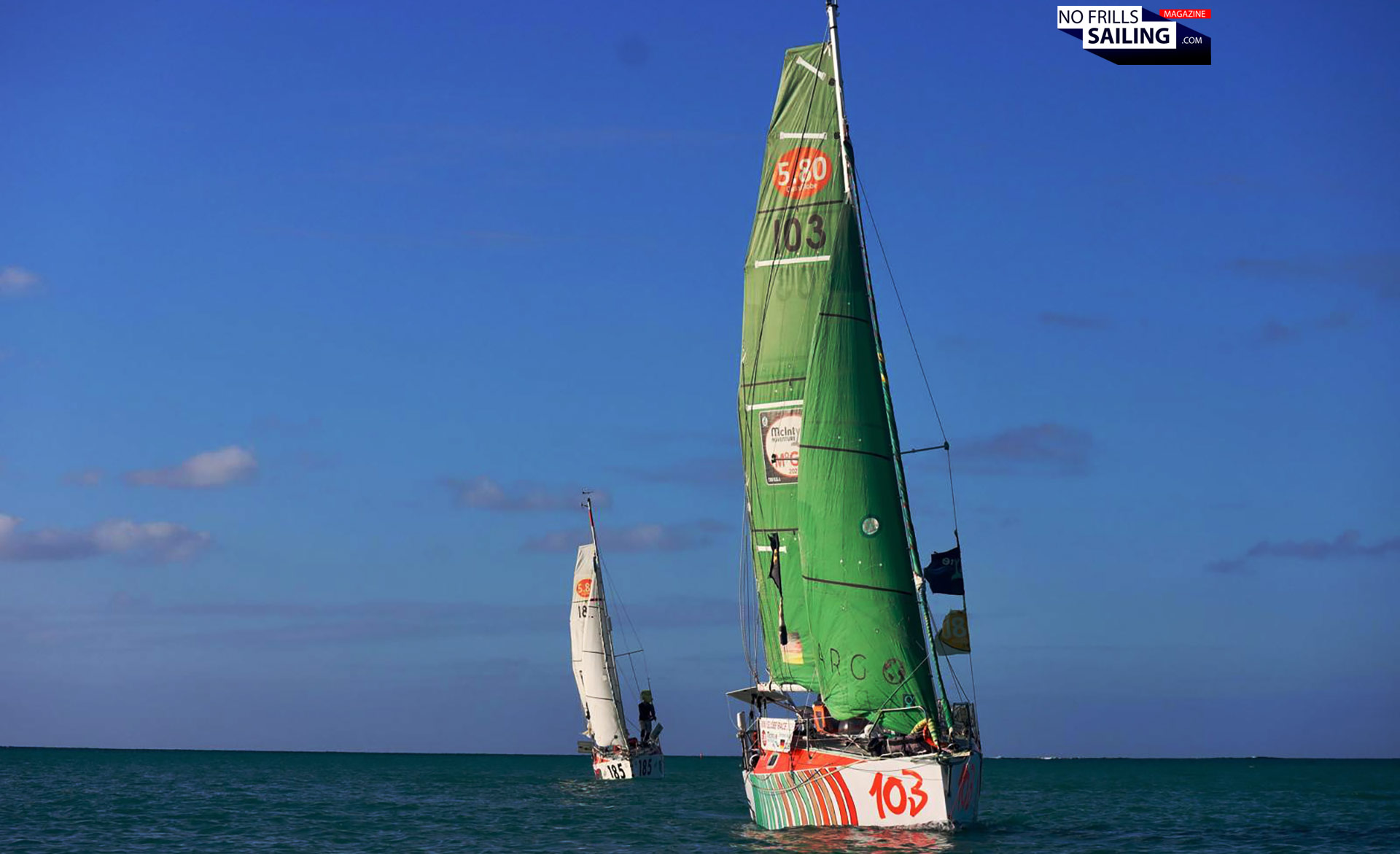

After sailing just over 21,000 nautical miles in under eleven months, Christian Sauer’s self-built Mini 580 ARGO entered Cape Town—an operational hub where marina access, weather windows and coastal current patterns critically shape small-boat circumnavigation logistics.
Arrival metrics and port infrastructure at a glance
Cape Town functions as more than a waypoint: it offers sheltered moorings, repair lofts and regional sailmakers that are crucial for solo sailors recovering from long ocean legs. For ARGO, the stop allowed a check of hull integrity, rigging and sail repairs—services typically coordinated through local marinas and specialists.
Race statistics: quick overview
| Item | Value |
|---|---|
| Total distance sailed | ~21,000 nm |
| Elapsed time (approx.) | <11 months |
| Next planned leg | Cape Town → Antigua (~2,500 nm) |
| Boat | Mini 580 ARGO (plywood sloop) |
Ocean routing, currents and tactical choices
The leg from Mauritius and Rodrigues toward Durban exposed ARGO to complex annular current systems and rapidly shifting sea states. South of Madagascar, localized currents frequently stalled progress and forced tactical waiting. Along the African south coast, the interaction of the continental shelf with prevailing winds creates chaotic wave patterns where avoiding wind-against-current situations is essential—especially for sub-6m yachts.
Practical tactics used
- Using marina layovers to wait for favourable windows (race rules allow limited stops)
- Reducing sail area or entering safe harbors when wave-current interactions worsened
- Prioritising patch repairs at specialist lofts (e.g., UK Sailmakers) to extend sail life
Top challenges encountered and mitigation
Conditions across the Indian Ocean and the South Atlantic produced a mixture of physical demands and equipment stress. The most consequential challenges were:
1. Unpredictable currents and wave patterns
Annular currents and vortex-like features can immobilize small boats for prolonged periods; tactical patience and opportunistic routing were key to minimizing losses on the leaderboard.
2. Sailwear and repairs
Sails remain a weak point in long-distance small-boat racing. Repair regimes—regular patching and strategic use of sail inventory—kept ARGO underway. Doubling and reinforcing panels added weight but reduced risk of catastrophic failure.
3. Human factors: sleep deprivation and safety
Extended solo passage produced severe sleep disruption. Equipment that reliably wakes a heavy sleeper becomes as vital as any piece of rigging; redundancy in alarms and strict tethering practices are mandatory. A near-man-overboard incident off Cape Agulhas underlined the importance of constant safety tether use.
Safety and structural resilience
Structurally, ARGO showed strong resilience: plywood construction wrapped with GRP and a conservative design safety factor delivered long-term seaworthiness. No withdrawals in the fleet were reported due to boat failure; retirements were driven by health or personal reasons.
How this journey links to tourism and travel experiences
Stops like Cape Town offer more than repairs: they are cultural and logistical entry points for travellers and sailors alike. For tourists, marinas provide access to local excursions, museum tours with live guides and day trips that highlight regional marine ecology. Sailors benefit from port services while visitors can sample nearby cruise packages or book short yacht charters to experience the maritime environment firsthand.
Key takeaways and interesting highlights: the Mini Globe Race demonstrates how small-boat offshore logistics—port amenities, sail repair networks and weather-routing—determine success as much as seamanship. Yet even the most detailed accounts can’t substitute for personal experience. On GetExperience, you book your experience from verified providers at reasonable prices, with full and secure payments processed through the site and voucher confirmation issued afterward, plus the option to submit requests for tailored tours or excursions that match your preferences. This platform’s transparency and convenience can help plan shore-side visits, yacht charters or cultural programs while following races like the Mini Globe; Book now GetExperience.com
In conclusion, Christian Sauer’s voyage on ARGO underscores several practical lessons for travellers and adventurers: plan logistics around reliable port infrastructure, expect rapid changes in ocean conditions, maintain redundant safety systems, and budget time for sail and hull maintenance. Whether seeking travel experiences, adventure activities, yacht parties, cruise packages or eco-friendly wildlife safaris, learning from long-distance solo sailing highlights the importance of preparation. For those inspired to explore, options range from museum tours with live guides and interactive online cultural workshops to luxury adventure travel experiences and beginner rafting or esports coaching sessions—each offering a different way to connect with the journey.