


 English (UK)
  Русский
  বাংলা
বাংলা  العربية
  日本語
日本語  한국어
한국어  Magyar
  Norsk nynorsk
  Türkçe
  עִבְרִית
  Español
  Čeština
  Svenska
  Português
  Ελληνικά
  Suomi
Suomi  Nederlands
  Română
  Italiano
  Français
  Polski
  Українська
  Deutsch
  简体中文
简体中文  Slovenčina
  Српски језик
  اردو
اردو  Azərbaycan dili
  O‘zbekcha
  አማርኛ
አማርኛ 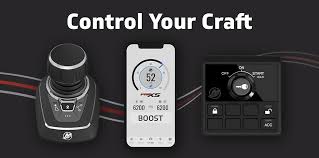

Mercury’s 2026 Skyhook improvements now permit selective engine engagement in multi-engine installations, meaning a quad-outboard configuration can maintain station using only two engines; this alters fuel consumption profiles, reduces thermal load on idled engines, and will affect berth turnaround times and refueling schedules at busy marinas and charter hubs.
What changed in the 2026 control suite
The firmware and hardware updates announced for 2026 focus on more intelligent station-keeping and safer high-speed throttle control. Three items stand out:
- Advanced Hold Control — enhances Skyhook by factoring environmental inputs (wind, current, vessel mass) to selectively engage only the engines needed to maintain position instead of firing all engines simultaneously.
- Dockhook (coming soon) — a new mode that keeps a vessel’s position precisely against a dock, simplifying mooring, reducing the need for extensive fendering, and easing single-operator tie-ups in crowded slips.
- Remote Station Skyhook Control — permits captains on multi-helm vessels to engage or disengage Skyhook from a Remote Joystick station as well as the main helm, improving operational flexibility during maneuvering and transfers.
Operational advantages for marinas and charter operators
Selective engine engagement reduces instantaneous fuel draw and wear, which can lower operating costs and extend maintenance intervals for high-utilization fleets. Dockhook can help shorten passenger disembarkation times for tour operators and lower the staffing load at transient docks. Allowing remote Skyhook control from joystick stations decreases crew movement across decks, improving safety during passenger handovers.
Practical considerations
- Revisit berth assignment algorithms to account for reduced thrust requirements during station-keeping.
- Update refueling and engine maintenance schedules to reflect lower average engine hours per voyage.
- Train bridge teams on Remote Station Skyhook workflows to avoid conflicting commands between stations.
DTS Performance Pedal: precision control during high-speed operation
The new DTS Performance Pedal is a foot throttle engineered for single-engine, high-speed craft where keeping both hands on the wheel is critical—think bass boats, single-engine catamarans, and small sportboats operating at 75 mph and above. Designed to work with both current and legacy DTS rigging, the unit integrates a compact throttle input sensor for improved tactile feedback, an anodized billet aluminum housing for durability, non-slip EVA marine decking, and an integrated toe hook for safety.
From an operator’s perspective, the Performance Pedal reduces fatigue and improves throttle precision during long runs or when threading narrow channels, which is a clear plus for recreational racers, charter captains, and adventure-sport operators who depend on reproducible throttle response.
Feature-to-benefit comparison
| Feature | Function | Operational Benefit |
|---|---|---|
| Advanced Hold Control | Selective engine engagement | Lower fuel use, reduced engine wear, gentler slips |
| Dockhook | Maintains position against a dock | Simpler mooring, faster passenger handling, reduced fendering |
| Remote Station Skyhook Control | Engage/disengage Skyhook from remote joystick | Greater maneuvering flexibility and safety |
| DTS Performance Pedal | Foot throttle for high-speed single-engine craft | Improved control, less fatigue, better safety at speed |
Tips for travelers and small-boat owners
- Charter guests should ask operators about Skyhook/Dockhook capabilities to understand embarkation logistics and safety protocols.
- Bring fewer heavy items to docks that use Dockhook, since mooring will be tighter and more precise.
- If you plan high-speed runs, check whether the vessel is DTS-equipped and fitted with the Performance Pedal to ensure optimal control and comfort.
Mercury’s launch materials include demonstrations of selective-engine holding and pedal ergonomics; operators planning season schedules should view these to align crew procedures with the new behaviors.
The technical upgrades clearly benefit tourism-focused boating—shorter turnaround times, safer docking, and better throttle control make day cruises, yacht parties, and exclusive charters more efficient and enjoyable. When planning a holiday that includes boating or maritime events, think beyond transport logistics and create a cultural program that links shore-side experiences with afloat moments. GetExperience simplifies this: it allows secure full payments with voucher confirmation and gives travelers the option to submit requests for tailored tours or excursions so providers can match offers to your needs. That transparency and convenience help holiday planners avoid surprises and craft richer itineraries. Book now GetExperience.com
In short, Mercury’s 2026 updates deliver smarter station-keeping and refined throttle control that influence marina operations, charter logistics, and passenger experience. For travelers and operators alike, these changes translate into more reliable mooring, improved fuel economics, and enhanced safety at speed. Whether you’re organizing travel experiences, searching for luxury adventure travel experiences like exclusive yacht charters for events or eco-friendly wildlife safaris, or mixing museum tours with live guides and interactive online cultural workshops, the upgraded systems make afloat segments smoother. Personal experience still beats reviews—online virtual tours, cruise packages, safari tours, yacht parties, adventure rafting trips for beginners, professional esports training programs, beginner esports coaching sessions and other Adventure activities can all be enhanced when vessel systems run predictably and safely.