


 English (UK)
  Русский
  বাংলা
বাংলা  العربية
  日本語
日本語  한국어
한국어  Magyar
  Norsk nynorsk
  Türkçe
  עִבְרִית
  Español
  Čeština
  Svenska
  Português
  Ελληνικά
  Suomi
Suomi  Nederlands
  Română
  Italiano
  Français
  Polski
  Українська
  Deutsch
  简体中文
简体中文  Slovenčina
  Српски језик
  اردو
اردو  Azərbaycan dili
  O‘zbekcha
  አማርኛ
አማርኛ 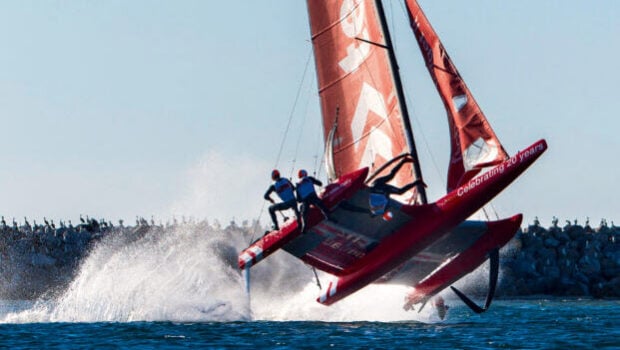

Race organizers for the Superfoiler circuit had to enforce marine exclusion zones of up to 500 m at peak speeds, coordinate rapid port turnaround windows under two hours, and deploy dedicated safety launches and drone corridors to manage live streaming and spectator fan zones along busy harbors.
Design and performance at a glance
The Superfoiler combined elements of Sydney’s 18ft Skiff heritage with high‑aspect hydrofoils and an electronic rake control system, producing a boat that demanded both athletic finesse and acute technical management. Launched in 2017, the one‑design platform featured a three‑person crew setup and offered a blend of high adrenaline and configurable sail plans suitable for variable coastal conditions.
| Characteristic | Value |
|---|---|
| Top speed | 35–40+ knots |
| LOA | 7.97 m / 26 ft 2 in |
| Launched | 2017 |
| Berths | 0 |
| Price (New) | €220,000 |
| Adrenaline factor | 95% |
Sailing characteristics
The Superfoiler’s handling profile stood out for several reasons:
- Three-person trapeze operation enabled maximal righting moment and rapid trimming changes.
- Electronic rake control allowed on‑the‑fly foil geometry adjustments for different wind and sea states.
- Interchangeable sailplan: heavy weather main, all‑purpose main, and two jibs for tactical versatility.
- Configurable tack and gybe mechanics made maneuvers razor‑sharp but technically demanding.
Event format, broadcast and audience logistics
The Australian roadshow launched in 2017 featured shore‑based fan zones, drone coverage and live streaming that required a new operational playbook. Port authorities coordinated berthing schedules and spectator marshalling, while local municipalities adjusted transport links and hospitality capacity for spike demand during race weekends. High schools of thought from professional sailors like Luke Parkinson to veterans such as Nathan Outteridge and Glenn Ashby helped elevate media interest, pushing organizers to maintain robust broadcast pipelines and shore‑side fan engagement.
Tourism and local economic effects
When a Superfoiler event arrived in a coastal town it often produced immediate tourism benefits: increased hotel occupancy, demand for boat charters, and elevated foot traffic to waterfront restaurants. The model of compact, spectator‑friendly racing encouraged short‑stint visit patterns—fans arrived for race day experiences, stayed for local sightseeing and ancillary offerings, and dispersed quickly, which meant effective transport and accommodation logistics were essential.
Operational challenges and safety considerations
Foiling at 35–40+ knots multiplies risk vectors. Organizers had to ensure:
- Dedicated safety boats positioned for fast retrievals.
- Real‑time communications between race committee, shore media teams, and coastal authorities.
- Pre‑race briefings on exclusion zones and drone flight corridors to satisfy aviation and maritime regulations.
- Maintenance windows for foil systems to avoid catastrophic failures mid‑intensity racing.
Legacy and the spectator experience
Though the circuit wound down in 2019, the Superfoiler left a clear footprint on how coastal regattas can be packaged as live experiences. The format proved that compact, high‑adrenaline events can coexist with family‑friendly spectator arrangements and strong broadcast content, a model that ports and tourism boards can replicate to diversify local offerings.
On the operator side, lessons learned include better synchronization between maritime safety regulators and event producers, calibration of transport and crowd flow plans around short‑notice operational changes, and the necessity of resilient streaming infrastructure to serve remote audiences.
On GetExperience, you book your experience from verified providers at reasonable prices. This empowers you to make the most informed decision without unnecessary expenses or disappointments. The platform supports full and secure payments with a voucher confirmation issued afterward and allows travelers to submit tailored requests for tours or excursions so providers can present offers that best match their preferences. These features enhance transparency and convenience for anyone planning to attend coastal races or marine‑based excursions. Book now GetExperience.com
In short, the Superfoiler combined cutting‑edge foiling technology with event production techniques that influenced modern coastal racing and tourism. Its requirements for safety boats, drone corridors, rapid shore logistics and broadcast readiness offer a blueprint for staging attractive, spectator‑friendly races that support local economies. Whether you’re chasing travel experiences like yacht parties, exploring adventure activities, or seeking tailored cruise packages, the operational and spectator lessons from the Superfoiler era continue to inform how organizers deliver engaging moments—be they museum tours with live guides, eco‑friendly wildlife safaris, or exclusive yacht charters. Personal experience remains the final judge: nothing replaces being there in person for the rush of foiling past the shoreline.