


 English (UK)
  Русский
  বাংলা
বাংলা  العربية
  日本語
日本語  한국어
한국어  Magyar
  Norsk nynorsk
  Türkçe
  עִבְרִית
  Español
  Čeština
  Svenska
  Português
  Ελληνικά
  Suomi
Suomi  Nederlands
  Română
  Italiano
  Français
  Polski
  Українська
  Deutsch
  简体中文
简体中文  Slovenčina
  Српски језик
  اردو
اردو  Azərbaycan dili
  O‘zbekcha
  አማርኛ
አማርኛ 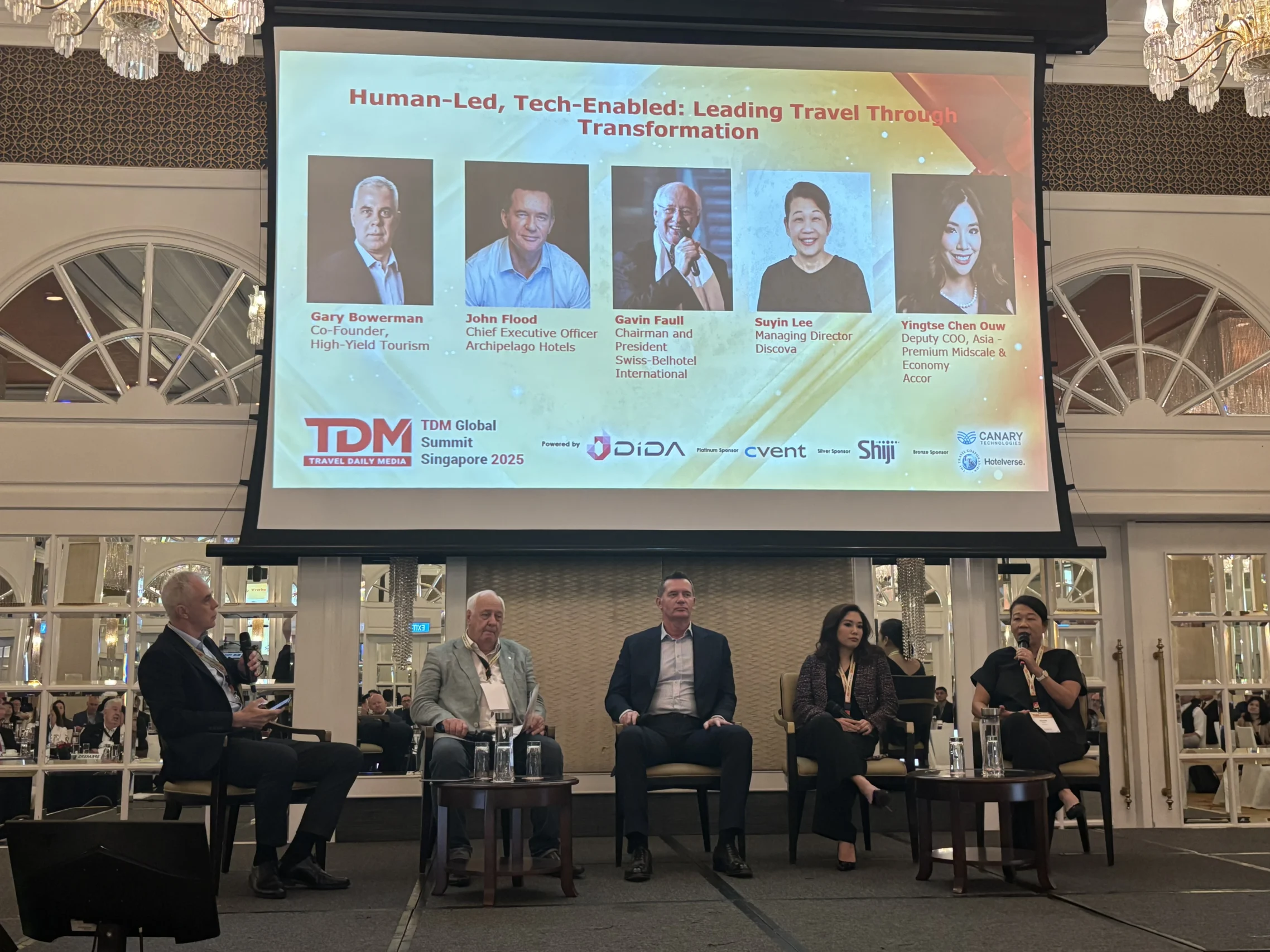

Leadership Amid Digital Transformation in Travel
As the travel and hospitality world undergoes swift digital shifts, leaders face the challenging task of blending innovation with a strong human touch. Today’s executives are not merely adopting technologies such as AI and Customer Relationship Management (CRM) systems; they are also focused on nurturing agile and skilled teams that can thrive in ever-evolving markets.
Emerging Trends in Travel Leadership
A recent panel at the TDM Global Summit Singapore 2025 brought together senior figures in travel management to analyze how industry leaders are navigating this transformation. Discussions highlighted the fragmented and fast-changing Asian markets and underscored the growing role of technology in decision-making and customer engagement.
The Challenge of Legacy Systems and Innovation
Despite the surge in digital usage—such as AI chatbots boasting hundreds of millions of active users—the travel industry continues to run on some legacy models. Different stakeholders adopt technology at varying speeds, creating a dynamic where both caution and excitement coexist. This duality signals an era where technology might unlock possibilities never before attainable for travel organizations.
Managing Fragmented Time and Continuous Learning
Time management and relationship building remain essential for travel leaders who must balance numerous market segments. Regular training efforts strive to bring managers up to speed with current trends and technologies. In an environment marked by volatility, quick decisions are often needed even without perfect information, making technology an indispensable ally alongside human intuition.
The Human Side: Talent Management for a New Era
Leadership Across Generations
The pandemic led to a significant loss of experienced talent, forcing leaders to rethink how they manage and cultivate new generations in the sector. With generational shifts evident—from Gen X to millennials and Gen Z—successful leadership focuses on staying curious, mastering new tech, and genuinely understanding younger team members’ mindsets.
Soft Skills Are the New Hard Skills
Hard skills can be taught, but nurturing soft skills such as emotional intelligence, collaboration, confidence, and leadership is paramount. These “building blocks” support a long and rewarding career. Investing in talent means equipping younger professionals not only with technology know-how but also the self-awareness and purpose needed to flourish personally and professionally.
Equipping Teams with AI
Recent studies reveal that technology, notably AI, boosts creativity and job satisfaction for many employees. There is a growing expectation that employers will provide training in AI. Effective leadership involves recognizing different attitudes towards technology—from enthusiasts to skeptics—and tailoring training and empowerment accordingly.
Tailoring Training to Diverse Roles
Training programs are increasingly modular, allowing employees to develop skills step-by-step throughout the organization. Recognizing that roles vary—from high-tech, low-touch positions in budget hotels to luxury hotels with tech support but more customer interaction—enables more personalized and effective workforce development.
Maintaining Motivation and Operational Flexibility
Leadership also means understanding that team members have varying focus levels and motivations. By combining in-house roles with strategic outsourcing and fostering movement between departments and regions, companies can boost productivity and profitability. Such flexibility supports a more dynamic, engaged workforce.
Rising Customer Expectations and Connected Experiences
In fast-evolving markets like Asia, travelers’ expectations aren’t limited to what they buy but extend to how they search for, book, and enjoy travel. Destination management companies (DMCs) are shifting from asset-light models toward investing in hospitality facilities and local communities to create unique, differentiated guest experiences.
Summary Table: Key Focus Areas for Leadership in Travel
| Focus Area | Leadership Approach | Impact on Tourism |
|---|---|---|
| Technology Adoption | Balance legacy systems with new AI and CRM tools | Enhances customer interaction and operational efficiency |
| Talent Management | Emphasize soft skills alongside tech training, tailor to generational needs | Builds resilient teams that adapt to rapidly changing markets |
| Training & Development | Modular, role-specific training with certification options | Improves workforce competency and service quality |
| Operational Flexibility | Mix in-house and outsourced roles for better focus and profitability | Supports sustainable business growth and traveler satisfaction |
| Customer Experience | Invest in unique experiences and local community assets | Creates differentiated tourism products and market appeal |
Why This Matters for Travelers and Tourism
Leaders who effectively integrate technology and nurture talent play a crucial role in shaping the quality and diversity of travel experiences offered worldwide. The ability to respond swiftly to changing traveler expectations, empower teams with relevant skills, and utilize AI for creative problem-solving helps ensure that tourism remains vibrant and engaging.
Of course, while reviews, feedback, and expert opinions provide valuable insights, nothing beats firsthand experience. On platforms like GetExperience.com, travelers can connect with verified providers offering a wide range of curated experiences at fair prices. This transparency and convenience mean travelers can confidently pick tours or activities that truly match their interests — whether searching for eco-friendly wildlife safaris, interactive online cultural workshops, or luxury adventure travel experiences.
GetExperience.com not only facilitates secure payments backed by voucher confirmations but also allows tourists to submit custom requests, enabling providers to tailor offers precisely to their preferences. This ensures smoother bookings and a broader selection of adventure activities catering to diverse tastes and budgets. Get the best offers at GetExperience.com.
Wrapping It Up
In this era of rapid digital transformation, successful travel leadership hinges on balancing advanced technology with a dedicated focus on people. From equipping teams with AI literacy and soft skills to fostering motivation and operational flexibility, these factors contribute directly to improved tourism offerings and customer satisfaction. By investing in human capital and embracing innovation, the travel industry is well-positioned to deliver enriching travel experiences, from luxury yacht parties and safari tours to beginner esports coaching sessions and online virtual tours. Ultimately, this blend of technology and talent fuels a more dynamic, resilient, and appealing travel sector for everyone.