


 English (UK)
  Русский
  বাংলা
বাংলা  العربية
  日本語
日本語  한국어
한국어  Magyar
  Norsk nynorsk
  Türkçe
  עִבְרִית
  Español
  Čeština
  Svenska
  Português
  Ελληνικά
  Suomi
Suomi  Nederlands
  Română
  Italiano
  Français
  Polski
  Українська
  Deutsch
  简体中文
简体中文  Slovenčina
  Српски језик
  اردو
اردو  Azərbaycan dili
  O‘zbekcha
  አማርኛ
አማርኛ 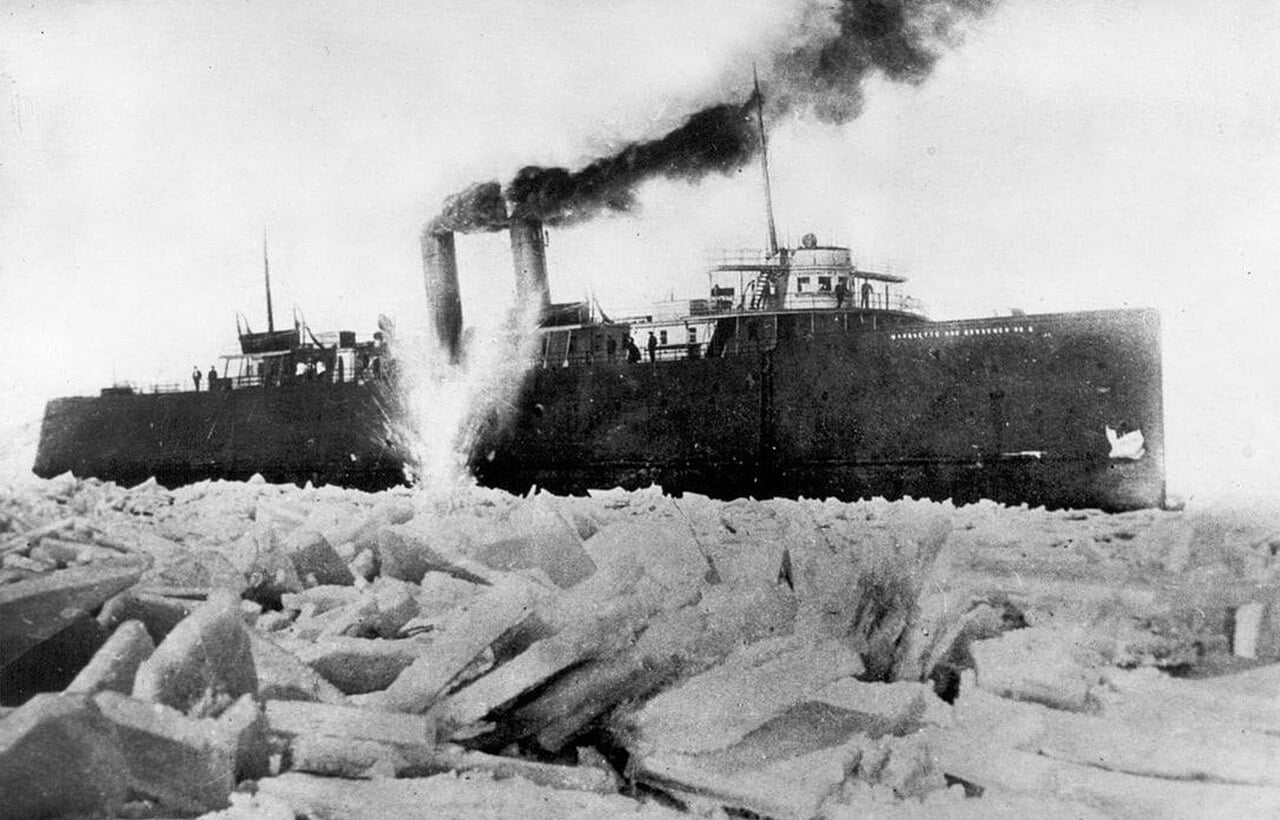

Lake Erie’s 240-mile southwest-to-northeast fetch combined with an average depth near 60 ft (18 m) produces rapid wave shoaling and sudden water piling that has driven hundreds of ships onto sandbars and reefs; wind, shallow bathymetry, and poor visibility remain primary factors in its unique navigation hazards.
Physical and navigational factors that create risk
The lake’s shallow profile (deepest point ~200 ft / 61 m) means wind energy transfers quickly into steep, saw-tooth waves—storms have produced waves exceeding 35 ft (11 m)—and rapid level changes of over 6 ft (2 m) between western and eastern ends. Add shifting sandbars, rocky shoals, virtually zero visibility in fog or snow, and narrow dredged channels such as the Pelee Passage, and the environment becomes unforgiving for both historical and modern traffic.
Common causes behind historical losses
- Shallow-water wave shoaling and sudden piling near the east end.
- Poor visibility from snow, fog, and storms leading to groundings and collisions.
- Changing navigation hazards—shifting bars and reefs that historically lacked reliable charts.
- Operational risks—over-pressurized boilers, inadequate lifeboats, and absent stern gates on early ferries.
Notable wrecks at a glance
| Vessel | Year | Location | Depth | Fatalities |
|---|---|---|---|---|
| Atlantic (paddlewheel steamer) | 1852 | SW off Long Point | 150 ft (46 m) | ~300 |
| James H. Reed (freighter) | 1944 | 42 miles west of Long Point | 76 ft (23 m) | 12 |
| Marquette & Bessemer No. 2 (rail ferry) | 1909 | Mid-lake (never found) | Unknown | ~34 |
| Clarion (package freighter) | 1909 | Southeast Shoal, Pelee Passage | — (shallow) | 15 |
| Anthony Wayne (sidewheeler) | 1850 | North of Vermillion, OH | ~50 ft (15 m) | ~70 |
Hotspots for wreck concentration
- Pelee Passage (between Point Pelee and Pelee Island): roughly 15 known wrecks in a 9-mile stretch.
- Long Point: over 30 documented wrecks offshore.
- Western shallow waters between Pelee Passage and the Detroit River: roughly 20 wrecks where average depth is ~30 ft (10 m).
- Areas near Kelleys Island, Put-In-Bay, Port Clinton and Sandusky.
Human stories and maritime lessons
Several losses prompted major safety changes: the Atlantic disaster (1852) led to stricter passenger limits, lifeboat and life-jacket requirements, and boiler inspection rules. The unexplained disappearance of Marquette & Bessemer No. 2 underscores design vulnerabilities—an open stern on a rail ferry during severe weather proved catastrophic. Heroic rescues, like the transfer of survivors from Clarion to Leonard C. Hanna, and miraculous personal survivals such as the cabin-bound passenger who survived five days on the overturned New Connecticut, remain part of local lore.
What this means for today’s traveler
Lake Erie’s shallow, changeable waters have shaped coastal infrastructure—lighthouses, lightships, and modern navigation aids—and now support tourism built around the lake’s rich maritime history. Divers, museum visitors, and shoreline explorers find shipwrecks to be compelling anchors for travel experiences, museum tours with live guides, and eco-aware wildlife safaris that combine history with nature watching.
Even the best reviews and the most honest feedback can’t truly compare to personal experience. On GetExperience, you book your experience from verified providers at reasonable prices. This empowers you to make the most informed decision without unnecessary expenses or disappointments. Travelers benefit from secure online payments with voucher confirmation, tailored requests for tours and excursions, and transparent offers—ideal for those planning museum tours with live guides, adventure rafting trips for beginners, or coastal cruise packages. Book now GetExperience.com
Lake Erie’s story is both cautionary and captivating: its shallow bathymetry, storm-prone fetch, and human decisions created what many call the Graveyard of the Great Lakes. For visitors interested in maritime history, certified dive sites, interactive online cultural workshops, luxury adventure travel experiences or eco-friendly wildlife safaris, the lake offers a layered itinerary. Whether you prefer guided museum tours, exclusive yacht charters for events, or even online virtual tours and professional esports training programs ashore, the region blends past and present into memorable travel experiences.