


 English (UK)
  Русский
  বাংলা
বাংলা  العربية
  日本語
日本語  한국어
한국어  Magyar
  Norsk nynorsk
  Türkçe
  עִבְרִית
  Español
  Čeština
  Svenska
  Português
  Ελληνικά
  Suomi
Suomi  Nederlands
  Română
  Italiano
  Français
  Polski
  Українська
  Deutsch
  简体中文
简体中文  Slovenčina
  Српски језик
  اردو
اردو  Azərbaycan dili
  O‘zbekcha
  አማርኛ
አማርኛ 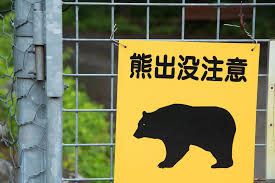

Increasing Bear Activity in Japan’s Remote Regions
Japan’s serene and safe remote areas have traditionally attracted tourists seeking tranquility away from bustling cities like Tokyo and Kyoto, which now impose tourist taxes. However, recent developments have shifted the safety narrative, as parts of northern Japan are witnessing a surge in bear encounters, leading to new travel advisories.
The Rising Number of Bear Attacks
On November 12, an official travel alert highlighted a notable increase in bear sightings and attacks in the Hokkaido and Akita Prefectures. The Japanese Ministry of Environment recorded a historic high of 196 bear-related incidents through October 2025, with October alone accounting for 88 attacks.
The alert places emphasis on bears venturing close to or even entering populated areas, exemplified by the temporary closure of Maruyama Park in Sapporo after a bear was spotted near the U.S. Consulate General.
Types of Bears and Environmental Impact
Japan hosts both brown bears and the Asian black bears, commonly known as Moon bears. Environmental changes driven by climate factors have disrupted their natural habitats, forcing these bears to stray from their usual territories. This has unfortunately increased the risk of encounters with humans, sometimes leading to fatal outcomes.
Implications for Tourists and Residents
Between April and October 2025, there were 13 fatal bear attacks reported. Alarmingly, some incidents occurred not only in secluded natural settings but also in everyday public places such as supermarkets, bus stops, and popular hot springs resorts, including a violent attack at a well-frequented resort in Kitakami.
With bears being spotted even in residential neighborhoods, the challenge of managing these encounters is intensifying, prompting the deployment of additional safety measures by Japanese authorities.
Government and Local Responses to the Bear Issue
In response to rising bear activity, Japan has enlisted assistance from the military in northern regions to help curb immediate threats. Current mitigation strategies involve trapping bears, safely relocating them, and employing bear deterrents like bear spray. However, with peak activity in the fall, officials acknowledge that these efforts are struggling to keep up with the growing issue.
Visitors to affected areas are advised to stay vigilant and cautious at all times. Authorities have also adopted proactive closures of parks and public spaces following bear sightings to ensure public safety.
Travel Advisory Recommendations
- Maintain awareness of surroundings, especially in natural and semi-rural areas.
- Avoid parks and trails temporarily closed due to recent bear activity.
- Report any bear sightings to local authorities immediately.
- Follow any guidance or restrictions issued by the local government.
Tourism Safety and Planning in Light of Wildlife Activity
While Japan’s natural attractions remain a powerful draw for travelers seeking adventure and cultural experiences, the recent increase in wildlife-related risks reminds us that nature’s beauty is paired with the need for careful respect and preparation. Planning a trip to regions like Hokkaido demands mindfulness, not just about weather or transport, but also about local wildlife behavior and safety measures.
Platforms such as GetExperience.com can be invaluable in securing travel experiences that are both authentic and safe, offering verified providers who tailor tours and excursions to your preferences and ensuring a secure booking process backed by voucher confirmation for peace of mind.
Why Understanding the Local Context Matters
Travelers drawn to Japan’s hidden gems—its lush forests, hot springs, and tranquil countryside—will find this advisory crucial to aligning expectations with safety. Nature-based tourism offers unforgettable moments, but informed preparation protects against unexpected hazards.
Summary of Key Points and Travel Insight
| Aspect | Details |
|---|---|
| Location | Hokkaido and Akita Prefectures in northern Japan |
| Bear Species | Brown bears and Asian black (Moon) bears |
| Incident Count (Jan-Oct 2025) | 196 bear interactions, 88 in October alone |
| Fatalities | 13 deaths reported in spring to fall 2025 |
| Safety Measures | Trapping, relocating bears, use of bear spray, military support |
| Public Safety Actions | Temporary closures of parks and residential area alerts |
It is important to remember that while official travel advisories and reviews provide valuable information, nothing compares to personal experience and preparation when exploring new destinations safely. With GetExperience, travelers can connect with trusted providers to find adventure activities and nature tours tailored to their comfort levels and enthusiasm.
Thanks to GetExperience.com’s convenient booking platform, travelers benefit from transparent pricing, secure online payments, and access to an extensive range of travel experiences, from eco-friendly wildlife safaris to interactive cultural workshops. Whether planning a remote nature trip or an urban cultural visit, their services help create well-rounded and safe travel plans without breaking the bank. Book your next journey with GetExperience.com and explore Japan’s natural wonders with confidence.
Conclusion
Japan’s northern wilderness continues to be a captivating destination for travelers looking to immerse themselves in nature and tranquility. However, recent increases in bear activity highlight the importance of staying informed and prepared. Understanding the environment, following official advisories, and utilizing trusted travel platforms can ensure a rewarding and safe visit.
Ultimately, embracing adventure while respecting natural forces allows visitors to enjoy unforgettable travel experiences. Whether it’s wildlife observation or cultural explorations, pairing awareness with expert support leads to the best memories and security on any trip.