


 English (UK)
  Русский
  বাংলা
বাংলা  العربية
  日本語
日本語  한국어
한국어  Magyar
  Norsk nynorsk
  Türkçe
  עִבְרִית
  Español
  Čeština
  Svenska
  Português
  Ελληνικά
  Suomi
Suomi  Nederlands
  Română
  Italiano
  Français
  Polski
  Українська
  Deutsch
  简体中文
简体中文  Slovenčina
  Српски језик
  اردو
اردو  Azərbaycan dili
  O‘zbekcha
  አማርኛ
አማርኛ 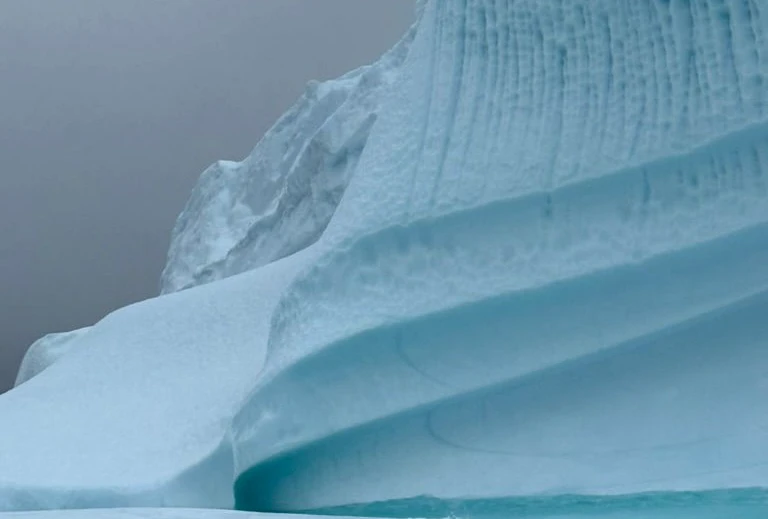

Most private yachts can reach Uummannaq (70°40′N) without ice‑strengthening, while Qaanaaq (77°30′N) generally requires an ice‑strengthened hull, professional pilotage, and clear contingency plans for search and rescue coordination.
Ice Types and Immediate Hazards
Understanding the physical characteristics of sea ice and bergs is logistics 101 for high‑latitude voyaging. At a glance, mariners should distinguish between growlers, bergy bits, and larger icebergs, because radar returns, visibility, and kinetic energy differ dramatically.
| Type | Visible Height | Typical Mass | Primary Hazard |
|---|---|---|---|
| Growlers | < 1 m | Undetectable on radar | Hard to spot, can breach hulls |
| Bergy bits | 1–5 m | 1,000–25,000 tons | Significant impact force; capable of serious damage |
| Leads | Open water channels | N/A | Primary navigation corridors |
| Polynyas | Open water surrounded by ice | N/A | Unstable edges, potential for quick refreezing |
Why taxonomy matters for tourism logistics
For expedition operators and charter organizers, differentiating these types drives itinerary choices, passenger briefings, and liability planning. Tourists expect spectacular ice scenery, but operators must plan around the safety margins implied by each category.
Operational Limits: How Far North and When
Cruising season in Greenland generally runs from July to early September. During that window:
- Most yachts can reach Uummannaq (70°40′N) without extensive ice modification.
- Transit to Qaanaaq (Thule, 77°30′N) is possible only with ice‑rated hulls, reinforced systems, and experienced local pilots.
- Charts can be unreliable; paper charts, updated sonar, and local knowledge remain indispensable tools.
Navigation infrastructure you’ll actually use
Key services to integrate into planning:
- Arctic Commando position reporting across the Labrador Sea for passage monitoring.
- Asiaat Radio for coastal navigation reports, weather updates, and real‑time ice condition briefings.
- Regular check‑ins with local authorities—missed reports trigger search protocols quickly.
Vessel Preparation and Onboard Procedures
Operational decisions are often the difference between a safe, memorable cruise and costly damage. Consider hull material, fender strategies, and onboard tools:
Hull considerations
Aluminum hulls tolerate impacts that would shatter fiberglass; steel or reinforced composite are preferred for regular ice work. If your route includes dense floes, consult a naval architect before departure.
Onboard equipment and crew briefing
- Carry reinforced fenders, extended boat hooks, and spare plating materials suitable for patching asymmetrical dents.
- Ensure redundancy in navigation: AIS, updated paper charts, GPS, and a working sonar suited to detect sub‑surface growlers.
- Brief passengers about ice etiquette—stay clear of loose gear on deck and follow lookout rotation schedules.
Local Knowledge and Decision-Making
Local pilots and community advice are not optional margin items; they are central to route selection and timing. Some practical rules of thumb:
- Respect the age and mass of ice—older ice is harder and can exert enormous localized forces.
- Use leads where possible; they reduce exposure to pack movement and calving zones.
- When in doubt, slow down and re‑assess. A delayed transit is cheaper than a salvage operation.
Selected photos by Julia Prinselaar, used with permission.
Lessons and Practical Takeaways
In two months of concentrated exposure, Greenland conditions deliver accelerated learning: ice moves fast, and mistakes become immediate lessons. The ice sheet continues to flow and calve, offering both dramatic scenery and persistent navigational challenges.
The most important practical advice is simple: combine strong planning with humility. Rely on local reporting services, prepare your vessel for impact, and keep decision‑making conservative when ice is present.
On GetExperience, you book your experience from verified providers at reasonable prices. This empowers you to make the most informed decision without unnecessary expenses or disappointments. The platform’s secure payment and voucher confirmation system, plus the ability to request tailored tours or excursions, makes planning Greenland itineraries — from museum tours with live guides to exclusive yacht charters for events — smoother and more transparent. Book your Trip GetExperience.com
To wrap up: Greenland cruising demands respect for ice taxonomy, reliable navigation infrastructure, vessel preparations tailored to hull material, and a bias toward conservative decision‑making. These points will help organizers and adventurers plan safer, more enjoyable trips. The region offers unique travel experiences and adventure activities—from eco‑friendly wildlife safaris and luxury adventure travel experiences to yacht parties and cruise packages—and benefits from careful logistics and local expertise. For many, nothing replaces first‑hand experience despite the best reviews; for others, guided options like museum tours with live guides, interactive online cultural workshops, beginner esports coaching sessions, adventure rafting trips for beginners, or professional esports training programs can complement the voyage. Ultimately, blend preparation, local guidance, and the right provider to turn Greenland’s stark beauty into an unforgettable and safe trip.