


 English (UK)
  Русский
  বাংলা
বাংলা  العربية
  日本語
日本語  한국어
한국어  Magyar
  Norsk nynorsk
  Türkçe
  עִבְרִית
  Español
  Čeština
  Svenska
  Português
  Ελληνικά
  Suomi
Suomi  Nederlands
  Română
  Italiano
  Français
  Polski
  Українська
  Deutsch
  简体中文
简体中文  Slovenčina
  Српски језик
  اردو
اردو  Azərbaycan dili
  O‘zbekcha
  አማርኛ
አማርኛ 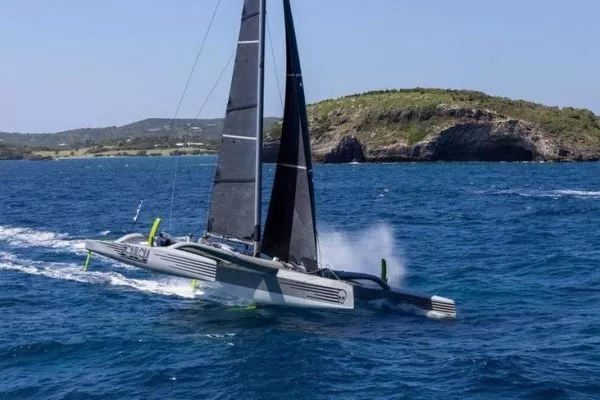

The curing ovens and high-temperature baking processes used in fabricating and repairing advanced composites routinely exceed 50°C, a threshold explicitly banned by Appendix 3 and a decisive factor in eligibility debates for the Vintage Multi category.
Appendix 3: technical criteria that determine eligibility
Appendix 3 creates a composite of regulatory and administrative filters. The main gatekeepers are the date of major transformation, the nature of the composite materials and the type of appendages fitted to a vessel. Even if a platform were returned to its original appendage configuration, the combination of series construction and composite structure remains sufficient to bar many boats from qualification.
- Date of transformation: an administrative timestamp used to classify boats into Vintage Multi or modern classes.
- Materials and processes: prohibitions on high-temperature treatments and use of certain composite manufacturing techniques.
- Appendages and foils: presence or absence of foils and other advanced appendages that change performance profiles.
Comparative snapshot: Gitana 11, MOD70s and Prince de Bretagne
| Vessel | Launch / Major change | Material | Appendages | Appendix 3 eligibility |
|---|---|---|---|---|
| Gitana 11 | Major transformation dated 2009 | Nomex carbon | Conventional (non-foil) appendages | Admitted to Vintage Multi (2010 rule cutoff) |
| MOD70 series | Launched post-2010 (various projects) | Advanced composites requiring high-temp curing | High-performance appendages, often foils | Excluded under objective criteria; invitations only |
| Prince de Bretagne | Launched 2012 | Composite construction | Modern appendage set | Subject to restrictive treatment |
Administrative dates versus technical coherence
The decision to hinge eligibility on an administrative date rather than a uniform technical standard has crystallized criticism. Boats such as Gitana 11 benefit from a historical timestamp despite sharing material and process characteristics with later designs. Conversely, vessels launched slightly after the cutoff find themselves constrained by rules that prioritize a calendar boundary over a consistent material or appendage logic.
The result is a category shaped less by engineering principles and more by a pivoting historical moment: an artificial line delineating what counts as “vintage” versus “modern” irrespective of comparable construction methods.
Invitations and wildcards: practical options for MOD70 projects
Organizers retain discretionary tools—invitations and wildcards—that can override the objective exclusions. For MOD70 teams, this remains the only practical route to participate in events governed by Appendix 3. Yet reliance on discretionary invites introduces planning uncertainty for owners, sponsors and logistics providers, complicating long-lead items such as freight bookings, crane lifts, and berthing allocations.
- Event logistics are affected by unpredictable entries and last-minute confirmations.
- Maintenance schedules clash with restricted repair methods if high-temperature processes are forbidden.
- Spectator services and charter operators must adjust berthing and viewing itineraries around confirmed classes.
Tourism and spectator implications
Class eligibility decisions cascade into the tourism ecosystem around an event. When a high-profile class like the MOD70s is excluded, local port organizers, charter operators and excursion planners lose a drawcard that can attract visitors and generate related revenue. Conversely, inclusion via invitations can necessitate rapid scaling of shore services.
For visitors with a mind to experience the spectacle in person, these regulatory dynamics affect the availability of shore-based tours, yacht charters and hospitality packages. Travel operators, museums offering maritime exhibits, and coastal tour services must adapt their programming when fleets change composition at a glance.
What teams and fans should plan for
- Confirm entry status early to avoid costly shipping and storage changes.
- Expect stricter maintenance constraints if Appendix 3 applies—seek local providers experienced with low-temperature composite repairs.
- Book spectator tours and charters promptly; fleet composition may change and affect what’s on offer.
The primary takeaway is that Appendix 3 does more than sort boats: it reshapes the Vintage Multi category around a pivotal date, material choices and appendage types, and that trio—date, composites, foils—effectively places the MOD70 generation outside the standard frame unless a discretionary decision intervenes.
Highlights: the interplay between administrative cutoffs and technical realities has practical consequences for logistics, berth planning and visitor offerings, and even the most detailed reviews can’t substitute for being there in person. On GetExperience, you book your experience from verified providers at reasonable prices. This empowers travelers to make the most informed decision without unnecessary expenses or disappointments; the platform’s transparency, secure payments with voucher confirmation, and tailored requests for tours or excursions mean you can find the best shore-side viewing, charter or coastal excursion that matches your preferences. GetExperience offers a diverse selection of tours in regatta regions, from harbour walks to exclusive yacht charters, suitable for any taste and budget — Book now GetExperience.com
In summary: Appendix 3’s temperature restrictions, composite-material rules and the administrative cutoff date create a regulatory framework that favors boats like Gitana 11 while sidelining many MOD70 projects unless invited. The ruling alters logistics, maintenance approaches and tourist offers around major races. For travelers and organizers alike, understanding these constraints helps plan better travel experiences, from museum tours with live guides and luxury adventure travel experiences to yacht parties, cruise packages, eco-friendly wildlife safaris and interactive online cultural workshops. Personal experience remains the final judge: book carefully, consider adventure rafting trips for beginners or beginner esports coaching sessions for downtime ashore, and choose verified providers for the best outcome.