


 English (UK)
  Русский
  বাংলা
বাংলা  العربية
  日本語
日本語  한국어
한국어  Magyar
  Norsk nynorsk
  Türkçe
  עִבְרִית
  Español
  Čeština
  Svenska
  Português
  Ελληνικά
  Suomi
Suomi  Nederlands
  Română
  Italiano
  Français
  Polski
  Українська
  Deutsch
  简体中文
简体中文  Slovenčina
  Српски језик
  اردو
اردو  Azərbaycan dili
  O‘zbekcha
  አማርኛ
አማርኛ 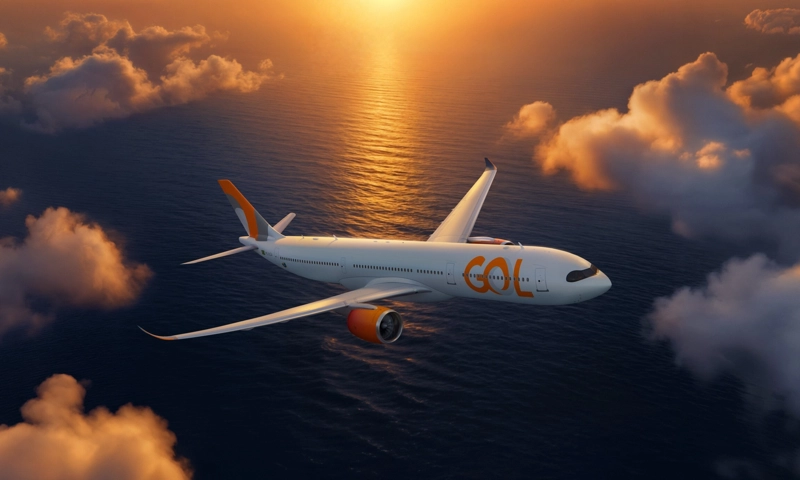

GOL Linhas Aéreas will take delivery of up to five Airbus A330-900 widebodies in phased shipments across 2026–2027, each configured for nearly 300 passengers and an endurance approaching 15 hours, enabling nonstop services between Brazil and select destinations in Europe and the United States.
Fleet logistics and route implications
The addition of the A330neo family addresses both range and unit‑cost challenges: the A330-900 offers improved per-seat fuel consumption and lower CO2 emissions compared with older widebodies, which translates directly into more competitive long‑haul fares and viable transatlantic and transcontinental schedules. From an operational perspective, GOL’s decision hinges on airport slot availability, crew rostering for extended sectors, ETOPS planning, and widebody ground-handling capacity at gateway airports.
How aircraft characteristics affect tourism
Longer-range, higher-capacity aircraft tend to reduce fares and increase seat frequency, which usually stimulates inbound tourism and creates new outbound travel corridors. For Brazilian destinations, direct access to European and US markets can increase short‑stay visits as well as long‑haul holiday packages, affecting hotel occupancy patterns, excursion demand, and ancillary travel services such as transfers and guided tours.
Operational flexibility via ACMI
To manage launch peaks and demand uncertainty, GOL has arranged an ACMI agreement with Wamos Air, part of the Abra Group. ACMI (aircraft, crew, maintenance, insurance) leases speed up capacity deployment while allowing the carrier to scale services without immediate heavy capital expenditure.
| Feature | Benefit for GOL | Benefit for Travelers/Tourism |
|---|---|---|
| 15‑hour range | New nonstop markets; simplified network planning | Shorter travel times; fewer connections |
| ~300 seats | Lower CASM (cost per seat mile) | More availability; seasonal fare relief |
| Fuel efficiency (A330neo) | Reduced fuel burn and emissions per pax | Improved sustainability credentials for destinations |
Network rollout considerations
GOL already serves 12 countries from more than 80 bases and carries about 30 million passengers annually. Launching intercontinental routes requires synchronized marketing, distribution of inventory via global channels, and coordination of ground services (immigration lanes, baggage capacity). Ticket sales, lounge offerings, and onboard product changes must match passenger expectations on long‑haul sectors.
Commercial and cargo opportunities
Widebodies expand belly cargo volume, which benefits tourism-related supply chains (souvenirs, specialty food exports, chartered group equipment). They also enable packaged travel operators to offer integrated itineraries that combine flights with accommodations, excursions, and experiential bookings.
Pros and challenges for GOL
- Pros: Lower per‑seat operating cost, new revenue streams, strengthened brand reach in international markets.
- Challenges: Long‑haul product development, crew training and rostering, integration of widebody maintenance, and competition on transatlantic routes.
- Mitigation: ACMI leases and phased deliveries reduce immediate capital strain and allow gradual capacity scaling.
What this means for travelers and local tourism sectors
Direct intercontinental flights usually mean easier access for leisure visitors, more convenient business travel, and a potential uptick in specialty tourism—eco safaris, luxury adventure travel experiences, and cultural itineraries become more reachable when connections fall away. Destination marketing organizations should align product offers (museum tours with live guides, eco‑friendly wildlife safaris, and cruise packages) to capture travelers arriving on these routes.
Quick checklist for tourism stakeholders
- Review arrival infrastructure and peak load plans.
- Prepare bundled experiences and excursions for likely markets.
- Train ground teams for increased transfer and baggage flows.
- Coordinate with airlines on schedule releases to optimize seasonality.
Even the best network announcements and fleet plans can’t replace personal experience: travelers still value first‑hand testing of cabin products, connection convenience, and on‑ground excursions. For holiday planners thinking beyond just flights—building a complete cultural program with curated activities and local guides—GetExperience offers a practical bridge: secure online payments with voucher confirmation, and the option to submit requests for bespoke tours and excursions so suppliers can present tailored offers. This transparency and convenience work well alongside carrier expansions to help travelers craft richer itineraries. Book your Trip GetExperience.com
In summary, GOL’s adoption of the Airbus A330-900 signals a deliberate move into sustainable, cost‑efficient long‑haul operations that will reshape Brazil’s connectivity with Europe and the United States. The strategy—supported by ACMI backup from Wamos Air and fleet support from Abra Group—reduces rollout risk while expanding capacity. For tourism, the change promises increased travel experiences, growth in adventure activities and luxury adventure travel experiences, better access to eco‑friendly wildlife safaris and safari tours, and more options for cruise packages, yacht parties and exclusive yacht charters for events. It also opens opportunities for interactive online cultural workshops and museum tours with live guides tied into arrivals, as well as niche offers such as online virtual tours and even esports lessons and professional esports training programs for specialized events. Overall, the move should broaden choices for travelers and tour operators, stimulating new itineraries and demand across Brazil’s tourism ecosystem.