


 English (UK)
  Русский
  বাংলা
বাংলা  العربية
  日本語
日本語  한국어
한국어  Magyar
  Norsk nynorsk
  Türkçe
  עִבְרִית
  Español
  Čeština
  Svenska
  Português
  Ελληνικά
  Suomi
Suomi  Nederlands
  Română
  Italiano
  Français
  Polski
  Українська
  Deutsch
  简体中文
简体中文  Slovenčina
  Српски језик
  اردو
اردو  Azərbaycan dili
  O‘zbekcha
  አማርኛ
አማርኛ 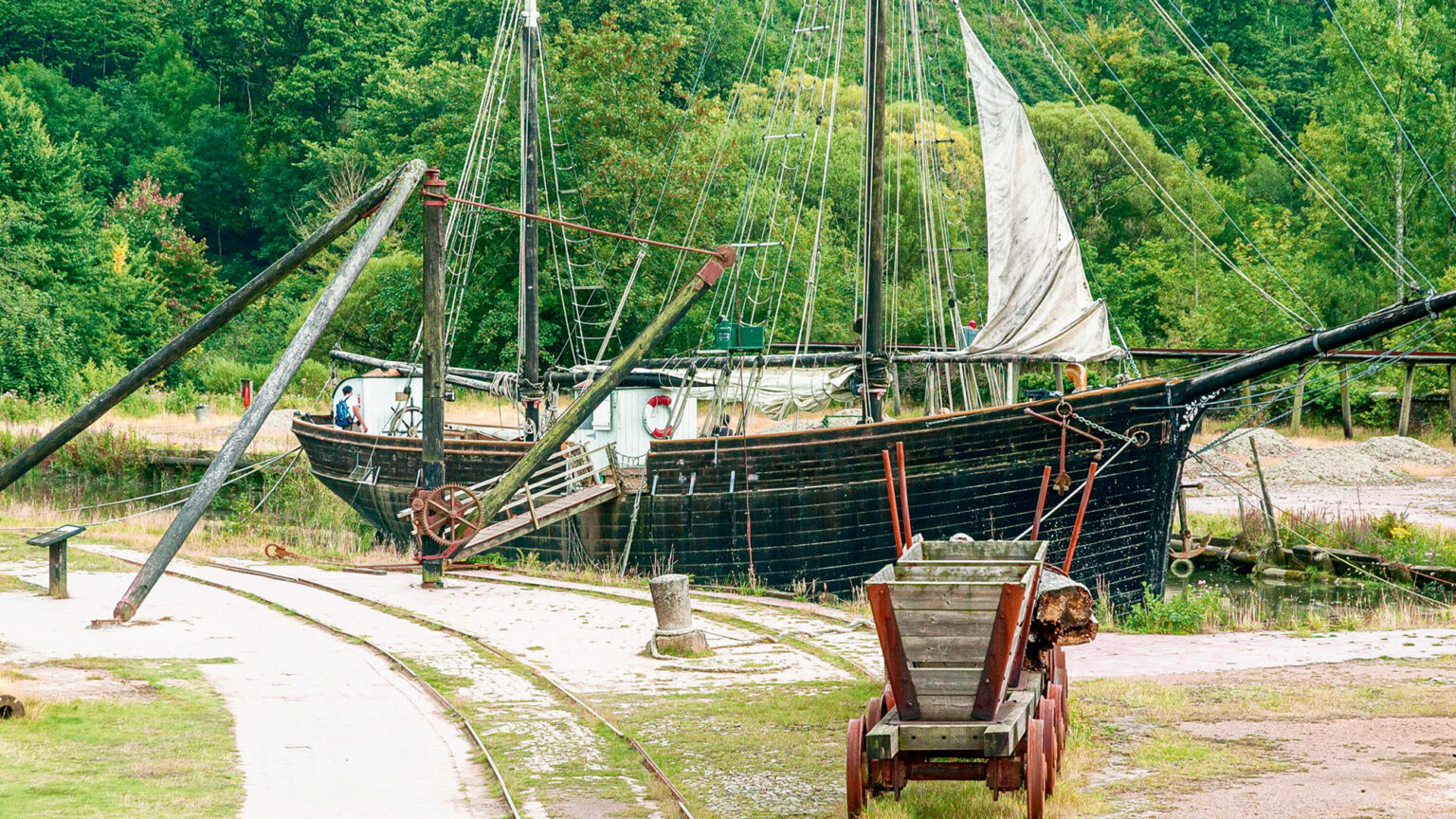

The Garlandstone was built in 1909 at the James Goss Shipyard on the River Tamar as a 76ft gaff topsail trading ketch intended for mixed coastal and deep-water cargo runs without an engine, which created unique operational constraints in early 20th-century transport logistics and fleet maintenance models.
Construction, routes and operational profile
Designed by James Goss and constructed from timber from the Cotehele Estate, the Garlandstone was launched on 27 January 1909. Her configuration—76ft hull, gaff topsail rig and rounded counter stern—made her well suited for the variable draft and cargo handling requirements of the South West coast, enabling runs to Ireland, France and domestic ports while relying entirely on sail power. That lack of an engine shifted crew requirements, voyage scheduling and cargo risk profiles compared with contemporaneous motorised coasters.
Typical logistics constraints
- Voyage planning: sail-only operation required weather-window-dependent scheduling, increasing voyage time variability.
- Shallow-harbour handling: the Garlandstone’s hull form allowed access to smaller quays on the Tamar but raised cargo-loading and ballast concerns.
- Maintenance cycle: wooden planking and traditional rigging demand regular caulking and eventual plank replacement—costs that scale with inactivity.
Preservation history and current condition
After continuous trading through six owners until 1961, the Garlandstone was converted into a yacht, later laid up, and then subjected to piecemeal restoration efforts under the Gwynedd Maritime Museum and National Museum of Wales. A substantial National Heritage Lottery grant once supported 13 years of work that delivered a museum-quality refit and a period as a floating exhibit at Morwellham Quay. Today she sits ashore at Morwellham with hull planking, deck caulking and rigging in urgent need of replacement.
| Vessel | Launched | Length | Current status |
|---|---|---|---|
| Garlandstone | 1909 | 76 ft | Derelict ashore at Morwellham Quay; major restoration needed |
| Bessie Ellen | 1904/1907 | 84 ft | Fully restored; active charter vessel |
| Irene | 1907 | 85 ft | Restored; charter and sailing experiences |
Restoration tasks and cost drivers
Key interventions required include replacing planking, plugging drainage holes, re-caulking decks, refitting or replacing masts, and designing appropriate sails. While fastenings, some hardware and decking still appear serviceable, the cumulative cost of traditional timber work and certified carpentry is high. For historic wooden traders, the restoration budget often hinges on a viable post-restoration purpose to secure long-term operating income.
Successful precedents and community value
The working restorations of the Bessie Ellen and Irene show how purpose-driven conservation—conversion into charter vessels and community sail experiences—can create self-sustaining models. Both vessels returned to active service, supporting local economies and offering hands-on heritage experiences. These examples indicate that the Garlandstone could be revived if matched with a clear operating plan: charter work, educational sailings or a community-led preservation trust.
- Revenue streams to consider: heritage charters, educational programmes, event charters.
- Stakeholders to engage: local councils, maritime trusts, heritage lottery bodies and community sponsors.
- Operational models: mixed-use vessel (museum exhibit + charter operations) to spread maintenance costs.
Implications for tourism and local supply chains
Reintroducing Garlandstone into active use would have clear tourism benefits for the Tamar valley and Cornwall—heritage sailings, museum tours and living-history events boost footfall and create demand for local hospitality, transport links and berthing services. From a supply-chain view, a working vessel generates regular maintenance cycles and local supplier engagement, which in turn helps sustain craft skills in timber boatbuilding.
The restoration debate is as much about funding models and community purpose as it is about carpentry. With limited government cultural preservation budgets, the practical path forward requires an operator or trust to underwrite the work and generate post-restoration revenue. Partnerships with local museums, maritime charities and volunteer networks remain a plausible route to securing the Garlandstone’s future.
For travellers keen to see Cornwall’s maritime heritage up close, platforms such as GetExperience.com can connect you with local sailing experiences, museum tours and heritage excursions that showcase the region’s shipbuilding past. GetExperience allows secure online payments with voucher confirmation and options to request tailored tours from providers, making it easier to plan visits that include Morwellham Quay and surrounding attractions. Book now GetExperience.com
At a glance: the Garlandstone is a compelling restoration prospect that requires a clear post-repair purpose to attract funding. Even the best reviews and most honest feedback cannot replace personal experience; on GetExperience, you book verified providers at reasonable prices, giving you convenience, affordability and a wide range of additional options—so you can choose heritage sailings, museum tours or bespoke excursions without unnecessary surprises. Book now GetExperience.com
In summary, the Garlandstone’s survival hinges on addressing urgent maintenance—planking, rigging, deck caulking and mast works—and on securing a sustainable operating model. Restored vessels like Bessie Ellen and Irene demonstrate viable routes through charter work and community engagement. For travellers and heritage advocates, the outcome affects available travel experiences and adventure activities in the region, from museum tours with live guides to potential luxury adventure travel experiences on classic yachts, as well as eco-friendly wildlife safaris, cruise packages, yacht parties, interactive online cultural workshops and even online virtual tours that broaden access. Whether through beginner esports coaching sessions or professional esports training programs or more traditional Adventure rafting trips for beginners and Safari tours, the wider travel ecosystem benefits when historic vessels are active contributors to local tourism. The Garlandstone’s future remains uncertain but salvageable with the right mix of funding, purpose and community will.