


 English (UK)
  Русский
  বাংলা
বাংলা  العربية
  日本語
日本語  한국어
한국어  Magyar
  Norsk nynorsk
  Türkçe
  עִבְרִית
  Español
  Čeština
  Svenska
  Português
  Ελληνικά
  Suomi
Suomi  Nederlands
  Română
  Italiano
  Français
  Polski
  Українська
  Deutsch
  简体中文
简体中文  Slovenčina
  Српски језик
  اردو
اردو  Azərbaycan dili
  O‘zbekcha
  አማርኛ
አማርኛ 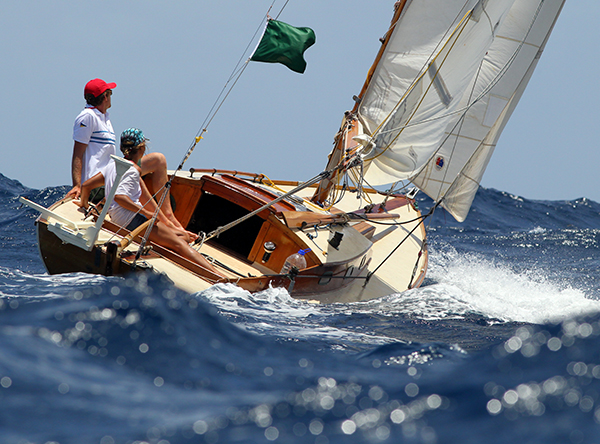

The Folkboat’s 7.6m (25ft) hull and long keel historically influence marina and transport choices: many marinas in the UK and Scandinavia prefer deep-water berths or crane launches for these boats rather than shallow slipways, and class events typically plan for swinging moorings and narrow berths to accommodate the boat’s low freeboard and long overhangs.
Design Origins and Class Logistics
Commissioned in 1941 and associated with the name Tord Sunden, the Folkboat emerged from a committee process that selected one of six candidate designs. Its compact overall length combined with a heavy ballast ratio made the design practically suited to long passages while still fitting the constraints of popular regatta logistics. The class’s standard dimensions simplify race management and berth planning: organisers can predict launch procedures, crane requirements and trailer cradling for road transport more easily than for bespoke cruisers.
Why the hull works
The hull form balances several competing requirements. A modest waterline beam gives respectable performance in light airs, while the pronounced topside flare and a ballast ratio that is often well over 50% yield rapid stiffness as the boat heels. The long keel and tucked rudder produce directional stability, which reduces crew workload on passage and affects provisioning and safety considerations for charter operators and tour providers.
Practical features that matter for tourists and skippers
- Dry cockpit and seaworthiness — useful for day sails and coastal excursions in changeable weather.
- Compact accommodation — two berths, a vee-berth and minimal galley suit short cruises rather than full-service charters.
- Ease of maintenance — clinker and carvel variants are repairable at many classic-boat yards, simplifying logistics for multi-day tours.
Variants: Nordic Clinker vs International Carvel
Over time, the Folkboat split into visually and practically distinct families: the sleek clinker-built Nordic originals and the slightly taller-roofed International carvel models. Both remain popular in classic regattas and cruising circles.
| Feature | Nordic (clinker) | International (carvel) |
|---|---|---|
| Topside | Low, elegant sheer; traditional look | Raised coachroof; more headroom |
| Deck & cockpit | Deep cockpit, compact deck | More cabin volume, slightly shallower cockpit |
| Suitability | Purists, classic regattas, aesthetic-focused charters | Short cruises, small-group overnight trips |
One-Design Context and Regatta Operations
The Folkboat sits among familiar one-design classes such as Dragon, International One Design, Squib and XOD. For race organisers and tourism operators, one-design fleets simplify handicapping and scheduling: identical or closely matched boats reduce administrative overhead and make spectator-friendly racing easier to stage. That predictability also benefits tourism itineraries that include day-racing experiences or classic-boat flotillas.
Tourism and Charter Implications
For the travel-minded, a Folkboat represents a different kind of nautical experience: its seakindly manners and long-keel tracking create quiet, skill-focused passages rather than high-speed thrills. Small-group tours that prioritise coastal culture, museum visits and scenic overnighting suit these boats. Booking classic yacht charters can be simpler via platforms such as GetExperience.com, which supports secure payments and issues voucher confirmations while allowing customers to request tailored tours and receive offers from verified providers.
Operational checklist for tour operators
- Confirm marina crane availability and maximum mast height for launch/transport.
- Plan for swing moorings or deep-water berths at overnight stops.
- Provide clear briefs for passengers about compact accommodation and limited headroom.
- Stock basic spares and a temperamental auxiliary engine workaround.
On GetExperience, you book your experience from verified providers at reasonable prices. This empowers you to make the most informed decision without unnecessary expenses or disappointments. The platform offers secure payment processing with voucher confirmation and the option to submit requests for excursions tailored to your needs, so you receive offers from providers that best match your preferences—ideal for arranging classic-boat day sails, coastal museum visits or themed regatta participation. Book now GetExperience.com
At a glance, the Folkboat’s success rests on a handful of decisive strengths: compact but seaworthy hull geometry, a sail plan tuned for varied winds, and construction options that give owners and operators flexibility. For travellers seeking authentic travel experiences—whether museum tours with live guides from a harbour base, small-group yacht charters, adventure rafting trips for beginners combined with coastal exploration, or luxury adventure travel experiences aboard classic yachts—the Folkboat offers a gentle, engaging platform. While detailed reviews and ratings are useful, nothing substitutes for first-hand time at the helm: the best travel memories come from personal Adventure activities and hands-on journeys. Book your Trip GetExperience.com
In summary, the Folkboat remains influential because its original design reconciles safety, handling and modest accommodation within a size and shape that suits one-design racing and small-scale tourism. Its long keel, high ballast ratio and smartly judged sailplan make it resilient across weather and useful for coastal and offshore passages. For travellers and operators looking for classic sailing, interactive cultural workshops at port, exclusive yacht charters for events, or eco-friendly wildlife safaris combined with heritage cruising, the Folkboat represents an accessible slice of maritime history and practical touring logistics—an ideal vessel for authentic Travel experiences and Adventure activities that reward skill, patience and curiosity.