


 English (UK)
  Русский
  বাংলা
বাংলা  العربية
  日本語
日本語  한국어
한국어  Magyar
  Norsk nynorsk
  Türkçe
  עִבְרִית
  Español
  Čeština
  Svenska
  Português
  Ελληνικά
  Suomi
Suomi  Nederlands
  Română
  Italiano
  Français
  Polski
  Українська
  Deutsch
  简体中文
简体中文  Slovenčina
  Српски језик
  اردو
اردو  Azərbaycan dili
  O‘zbekcha
  አማርኛ
አማርኛ 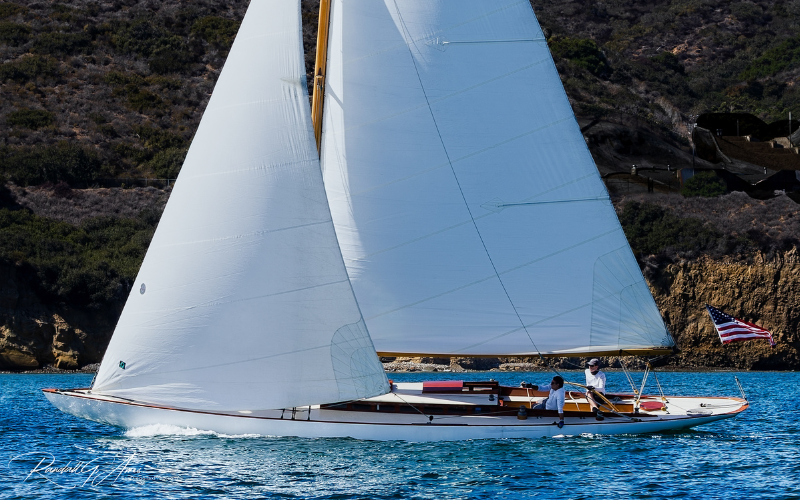

Moving a 46ft 6in classic yacht like Falcon between the East Coast restoration shed and West Coast regatta harbors requires coordinated logistics: heavy-lift road trailers rated for 12,000lb keels, berth reservations at harbors with at least 6ft draft alongside, timely US Coast Guard documentation, and specialized marine transport insurance that covers both inland transit and offshore delivery passages.
Q Class at a Glance
The Universal Rule, adopted by the New York Yacht Club in the early 1900s, produced the slim, long-overhang yachts known as the Q Class. These boats combined high performance with relatively small crews and remain prized for their handling and aesthetics. Early examples—designed by figures such as Starling Burgess and Nathanael Herreshoff—are exceptionally rare: only two pre‑WWI builds survive, while roughly ten post‑war examples remain active.
Class Evolution and Racing Logistics
Second‑generation Q boats of the 1920s featured longer waterlines and updated rigs from designers including L Francis Herreshoff, John Alden and Sherman Hoyt. Today, maintaining active participation in classic regatta calendars means owners must manage hull preservation, period‑correct sail inventories, and transport plans for events—often spanning multiple states. Crew training and vintage spar rigging inspections are routine before any regatta entry.
Falcon: Proven Design and Provenance
Built in 1926 at the Herreshoff Manufacturing Co in Bristol, Rhode Island, and drawn by Burgess, Swasey & Paine, Falcon has a 31.3ft waterline stretched to a 46.6ft LOA by generous overhangs. Commissioned by Edward Abbott, she balanced speed with cruising comfort and earned praise from designers such as C Ray Hunt, who campaigned her in the 1930s.
Ownership, Restoration and Stewardship
Falcon passed through several careful custodians. After years in a Maine shed owned by Konrad “Koni” Ulbrich and restoration work led by shipwright John Anderson, she moved to Gerald Rainer’s ownership. Rainer kept Falcon well maintained but lightly used until a new steward, Peter Silvester, purchased her in 2023 and relocated the yacht to San Diego, where she now sails regularly in local gentleman’s races.
Restoration and Maintenance Highlights
- Structural rebuild of frames and planking to preserve original hull form.
- Keel and ballast inspection, retaining the original 12,000lb keel weight where possible.
- Recommissioning of period‑correct rigging and a sail inventory of approximately 900 sq ft.
- Documentation updates and insurance adjustments for coastal racing and transport.
Falcon’s Technical Specifications
| Parameter | Value |
|---|---|
| LOD / LOA | 46ft 6in (14.2m) |
| Waterline | 31.3ft |
| Beam | 9ft 1in (2.8m) |
| Draft | 6ft 9in (2.1m) |
| Displacement | ~10 tons (approx.) |
| Sail Area | 900 sq ft |
Racing Character and On‑Water Feel
Owners and sailors frequently describe Falcon’s acceleration and momentum as distinctive: the heavy keel maintains forward drive through lulls, and the narrow beam combined with long overhangs delivers a lively helm response when puffs arrive. These handling traits are part of what keeps Q Class yachts popular at classic regattas and attractive for heritage cruising experiences.
Heritage, Tourism and Visitor Appeal
Classic yachts like Falcon contribute to maritime tourism by drawing enthusiasts to regattas, museum visits, and harbor festivals. From Bristol to San Diego, heritage vessels encourage cultural programs, dockside talks, and guided museum tours that enrich local visitor offerings. At a glance, a well-maintained classic can be both a racing machine and a draw for short cruises and private charters.
Ways Travelers Can Experience Q Class Yachts
- Attend classic yacht regattas to witness period racing first‑hand.
- Join museum tours with live guides focused on Universal Rule history.
- Book a short coastal cruise or yacht charter near regatta venues.
- Look for interactive online workshops or virtual tours if unable to travel.
Falcon’s nomination for the 2026 Classic Boat Awards underlines both the quality of restoration and the public interest in these yachts. However, even the best reviews and most honest feedback can’t replace firsthand time aboard a restored classic. For travelers who want to combine regatta attendance with authentic sailing experiences, platforms that verify providers and streamline booking make the logistics simpler. On GetExperience, you book your experience from verified providers at reasonable prices, with secure payments and voucher confirmation; this transparency and convenience help avoid surprises and give flexible options for local tours and charters in areas like San Diego and New England. Book your Trip GetExperience.com
In summary, Falcon exemplifies how maritime logistics, careful restoration and active stewardship revive historic craft for modern use. From Herreshoff craftsmanship to current San Diego racing, the boat’s story ties together transport planning, preservation techniques and tourism potential. Whether seeking adventure activities, museum tours with live guides, eco-friendly wildlife safaris nearby, luxury adventure travel experiences or even interactive online cultural workshops, classic yachts and their events offer diverse travel experiences. To have a mind to sail on such a vessel is to connect directly with history, performance and coastal culture.