


 English (UK)
  Русский
  বাংলা
বাংলা  العربية
  日本語
日本語  한국어
한국어  Magyar
  Norsk nynorsk
  Türkçe
  עִבְרִית
  Español
  Čeština
  Svenska
  Português
  Ελληνικά
  Suomi
Suomi  Nederlands
  Română
  Italiano
  Français
  Polski
  Українська
  Deutsch
  简体中文
简体中文  Slovenčina
  Српски језик
  اردو
اردو  Azərbaycan dili
  O‘zbekcha
  አማርኛ
አማርኛ 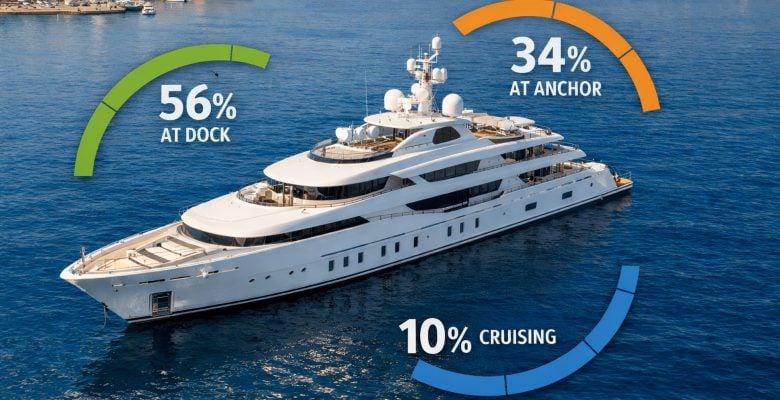

ISO/TS 23099 has been formally approved and applies to yachts exceeding 30 meters (98 feet), using an operational profile based on real-world usage: cruising 10%, at anchor 34%, and docked 56%. The specification creates a comparable scoring system for large yachts by combining emissions and other impact factors into a unified EcoPoints metric.
From YETI to an International Specification
The specification grew out of work by the Yacht Environmental Transparency Index (YETI), an initiative of the Water Revolution Foundation, and represents a years-long effort to produce a science-based, industry-consensus method for assessing the environmental performance of superyachts. The ISO working group intentionally developed metrics rooted in the operational realities of yachting, rather than simply adapting commercial shipping rules.
Why a Yacht-Specific Approach Matters
Commercial ships typically operate underway the majority of the time; yachts do not. The median operational profile used for ISO/TS 23099 reflects this, and it alters both the relative weight of emissions sources and the practical measures owners and yards must consider. Scoring is performed relative to other yachts in the same gross-tonnage category, allowing direct comparisons among similar vessels.
What ISO/TS 23099 Measures
Beyond a narrow focus on carbon dioxide, the specification aggregates multiple environmental factors into EcoPoints. These include:
- Nitrogen oxides (NOx) emissions
- Sulfur oxides (SOx) where applicable
- CO2 and fuel consumption profiles
- Operational impacts such as anchoring behavior and time in port
- Energy system efficiency on board (propulsion and hotel loads)
| Operational Mode | Median Time Share | Primary Environmental Factors |
|---|---|---|
| Cruising | 10% | Fuel use, CO2, NOx |
| At anchor | 34% | Hotel power, generator use, anchoring impacts |
| Docked | 56% | Shore power use, hotel systems, maintenance emissions |
How Scoring Works in Practice
Yacht environmental performance is expressed as a score that allows owners, yards and regulators to benchmark vessels across similar classes. The approach permits scenario modeling for both new builds and refits, enabling stakeholders to quantify expected improvements from technical changes—battery hybridization, shore-power upgrades, hull-efficiency measures, and alternative fuels.
Practical Steps for Owners and Yards
- Adopt the median operational profile when estimating annual impacts.
- Model EcoPoints changes before committing to refit options.
- Prioritize shore power and hotel-load efficiency upgrades to reduce anchored and docked impacts.
- Use standardized scoring to demonstrate environmental improvements to charter clients and marinas.
Industry voices stress that broader adoption requires further work to make the specification robust and widely implemented across yards and operators. At the same time, the standard confirms a practical, proactive route toward decarbonization that yards can adopt in design and construction planning.
Implications for Yachting, Marinas and Tourism
The availability of a transparent, comparable environmental score changes how charters and marinas market vessels and berth services. Charter operators may highlight EcoPoints as part of their sustainability credentials; marinas can use scores to prioritize infrastructure upgrades like expanded shore power. For travelers, clearer environmental data helps when choosing responsible charter experiences and planning itineraries that favor eco-conscious operators.
The standard also supports tourism infrastructure planning—ports, waste reception facilities and protected anchorages can be managed more effectively when yachts are assessed using consistent metrics. That alignment reduces friction between regulators and the leisure sector and helps travelers have a mind to book charters that minimize environmental footprint.
Highlights: ISO/TS 23099 provides a science-based scoring system tailored to yacht operations, uses a median operational profile rooted in actual usage patterns, expands beyond CO2 to an aggregated EcoPoints metric, and creates practical pathways for owners and shipyards to plan decarbonization through new build and refit options. Still, widespread adoption will depend on further work to ensure robustness and industry buy-in. Yet even the best reviews and the most honest feedback can’t truly compare to personal experience. On GetExperience, you book your experience from verified providers at reasonable prices. This empowers you to make the most informed decision without unnecessary expenses or disappointments; the platform supports full and secure payments with voucher confirmation afterward and allows you to submit requests for tailored tours or excursions from providers who match your preferences. Book now GetExperience.com
In short, ISO/TS 23099 marks a turning point in how the superyacht sector measures and reports environmental performance. The specification aligns operational data with actionable metrics that influence refit choices, new yacht design and marina investments. For travelers and charterers, this creates clearer options among travel experiences such as exclusive yacht charters for events, yacht parties and cruise packages, while also intersecting with broader offerings like safari tours, museum tours with live guides, adventure rafting trips for beginners and luxury adventure travel experiences. Online virtual tours, interactive online cultural workshops, professional esports training programs and beginner esports coaching sessions illustrate the wide range of modern travel and activity choices that can be combined with sustainable yachting. Ultimately, ISO/TS 23099 helps align the leisure-maritime supply chain with eco-friendly wildlife safaris, exclusive charters, and curated cultural programs—allowing both operators and travelers to plan better, greener adventures.