


 English (UK)
  Русский
  বাংলা
বাংলা  العربية
  日本語
日本語  한국어
한국어  Magyar
  Norsk nynorsk
  Türkçe
  עִבְרִית
  Español
  Čeština
  Svenska
  Português
  Ελληνικά
  Suomi
Suomi  Nederlands
  Română
  Italiano
  Français
  Polski
  Українська
  Deutsch
  简体中文
简体中文  Slovenčina
  Српски језик
  اردو
اردو  Azərbaycan dili
  O‘zbekcha
  አማርኛ
አማርኛ 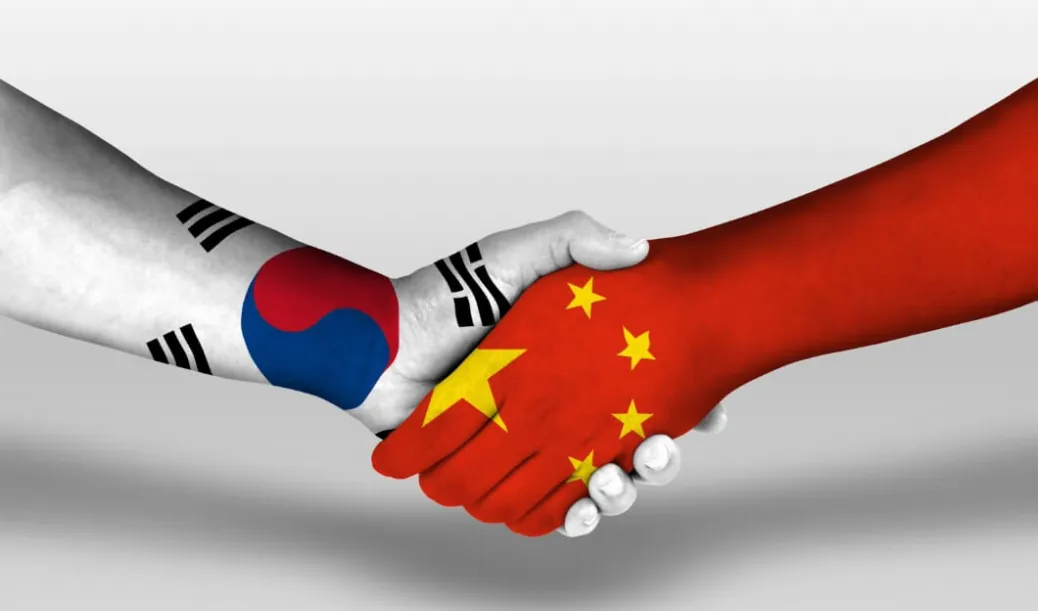

Visa-Free Travel Ignites Tourism Growth in East Asia
The removal of visa requirements between mainland China and South Korea is reshaping travel dynamics across the region, fueling a significant surge in tourism. The ease of crossing borders without cumbersome paperwork has created fresh opportunities not only for travelers but also for local businesses and economies eager to tap into increased visitor numbers.
Boosting Tourist Arrivals: From Beaches to Urban Skylines
With Chinese tourists flocking to South Korea’s coastal cities and Korean travelers exploring Chinese urban landscapes, this policy exemplifies how streamlined entry regulations can promote cultural exchange and economic vitality. Major destinations like Busan and Shanghai have witnessed bustling crowds eager to dive into local attractions, marking a clear win for tourism sectors on both sides.
Details of the Policy and Its Impact on Group Travel
The current visa waiver allows groups of at least three Chinese tourists to visit South Korea visa-free for up to 15 days, a policy active from late September 2025 through mid-2026. This builds on Jeju Island’s earlier relaxed visa conditions for individual travelers, leveraging regional tourism hubs to their fullest. The timing could not be better, coinciding with China’s Golden Week holiday, a period when travel peaks and destinations brim with activity.
Growth Metrics Reflect the Effectiveness of the Visa-Free Arrangement
| Metric | Growth Percentage | Period |
|---|---|---|
| Increase in Chinese group tours to South Korea | 60% | Since policy implementation in Sept 2025 |
| Rise in Korean bookings to China | 131% | Nov 2024 to Sept 2025 |
Reciprocal Steps Fuel Mutual Economic Benefits
South Korea’s policy closely follows China’s earlier move to allow South Korean citizens visa-free visits to China for up to 15 days. Covering a range of travel purposes including tourism and business, this reciprocal relaxation of entry requirements spurred a surge in visitors, especially during overlapping festive seasons like Chuseok and the Mid-Autumn Festival. Such timing naturally encourages travelers to discover cultural celebrations and iconic landmarks including palaces, urban waterfronts, and historical sites.
Significant Economic Uptick from Tourism Influx
With targets aiming to nearly match pre-pandemic visitor numbers—particularly striving for over 5 million Chinese tourists in South Korea—tourism stands as a potent driver of GDP growth. Each million additional Chinese arrivals is estimated to spur a measurable increase in South Korea’s economy, underscoring tourism’s vital role amid broader economic currents. Similarly, China benefits by boosting outbound travel, lifting related sectors such as aviation and hospitality.
Examples of Cultural and Retail Engagement
- Chinese tourists exploring Korean pop culture hotspots like Gangnam
- Korean travelers savoring traditional dining experiences in Guangdong
- Visa easing prompting increased retail sales, notably in duty-free shopping
Beyond Numbers: Cultural Bonds and Collaborative Growth
The advantages of the visa-free policy extend well beyond tourism statistics. It strengthens cultural connections, inspiring travelers to dive into authentic experiences—from wellness retreats and scenic hikes to culinary adventures and historic explorations. These personal interactions enrich mutual understanding between the countries, fostering goodwill and deeper ties.
Preparing for the Future with Sustainable Tourism Measures
Authorities are mindful of managing this influx sustainably, contemplating multilingual apps and eco-friendly tourism plans aimed at preserving popular destinations from overcrowding. The growing interest in routes to places like Jeju and Seoul suggests a bright future for travel and collaboration in the region.
Why These Developments Matter for Travelers and Tourism Providers
For travelers and tourism professionals alike, the visa-free arrangement is a game-changer. It eases logistics and opens doors to enriching travel experiences that were once limited by visa hurdles. It also supports hospitality sectors, transportation providers, and local economies, creating a ripple effect of benefits around the region’s travel industry.
GetExperience.com and Your Travel Plans
While data and reviews highlight the immense growth and positive impact of this policy, nothing compares to firsthand experience. Platforms like GetExperience.com empower travelers to book tours and excursions from verified providers confidently and securely, with full payment protection and voucher confirmation. Whether you seek cultural immersion through museum tours with live guides, adventure rafting trips, or interactive online workshops, GetExperience offers diverse options tailored to any preference and budget.
Leveraging GetExperience’s transparency and convenience ensures travelers access the best opportunities without unnecessary costs or disappointments. This aligns perfectly with the spirit of open and accessible travel that visa-free policies promote. Book your trip today at GetExperience.com.
In Summary
The mutual visa-free policy between China and South Korea is a catalyst for a vibrant tourism revival, blending cultural exchange with economic growth. By removing travel barriers, both nations unlock opportunities for adventure activities, luxury travel experiences, and deeper cultural connections. Growing flight capacities and tourist spending reflect how this initiative boosts regional cooperation while supporting a sustainable travel future. Whether interested in safari tours, cruise packages, or exclusive yacht charters, travelers now have greater ease and choice than ever before. Such developments underscore the importance of adaptable travel strategies that cater to evolving tourist needs and preferences.