


 English (UK)
  Русский
  বাংলা
বাংলা  العربية
  日本語
日本語  한국어
한국어  Magyar
  Norsk nynorsk
  Türkçe
  עִבְרִית
  Español
  Čeština
  Svenska
  Português
  Ελληνικά
  Suomi
Suomi  Nederlands
  Română
  Italiano
  Français
  Polski
  Українська
  Deutsch
  简体中文
简体中文  Slovenčina
  Српски језик
  اردو
اردو  Azərbaycan dili
  O‘zbekcha
  አማርኛ
አማርኛ 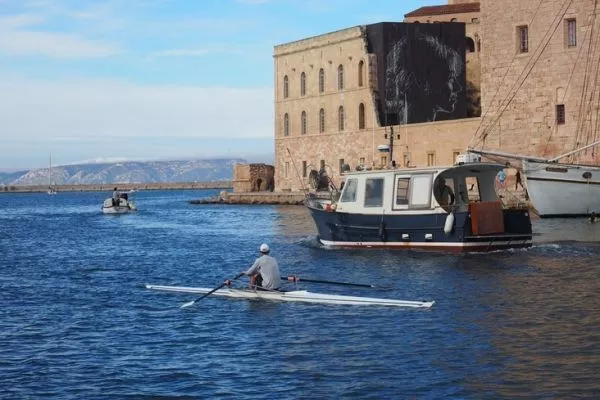

Colregs and narrow channels: human-powered craft generally take priority
Under the International Regulations for Preventing Collisions at Sea (COLREGs) and comparable national decrees, human-propelled craft such as paddleboards, kayaks and rowing skiffs are treated as non-motorized vessels and, in many constrained situations, enjoy priority over motorized boats. In narrow channels and restricted access ways, the practical rule is clear: motorboats must adapt speed and course to avoid impeding or endangering lighter craft, reducing wake and allowing safe passage whenever practical.
How rules change by location
Channels and access lanes
In marked channels used by transit traffic, regulations and local prefectoral orders commonly require non-motorized craft to keep to the edges of the lane so as not to obstruct main traffic. Nevertheless, when a kayak or skiff is within the channel and cannot safely move aside, the motorized vessel must yield or reduce speed to avoid creating dangerous wash or loss of stability.
Bathing and exclusion zones
Where motorized navigation is prohibited—bathing areas, zones reserved for beach equipment or otherwise designated no-engine sections—motorboats have no right of way. Human-powered craft remain authorized and motorized boats must avoid these areas or transit with the engine stopped and by hand-propelling if local rules permit.
Open water and out-of-channel situations
Outside delineated channels the general principle continues: mechanically propelled vessels should give way to all human-powered craft. Practical seamanship and courtesy often define encounters between non-motorized users themselves, since there is no formal hierarchy between paddles, kayaks, and rowing skiffs.
Practical encounter rules: who yields to whom?
| Encounter scenario | Usual rule | Key action |
|---|---|---|
| Motorboat overtaking kayak in a narrow channel | Motorboat must reduce speed and yield | Slow down, pass wide, avoid wake |
| Kayak vs paddleboard head-on | No formal priority; mutual avoidance | Both alter course to starboard or signal |
| Rowing skiff at cruising speed vs paddleboard | Paddleboard should give way where safe | Smaller, nimbler craft move aside |
| Motorboat entering bathing/ban zone | Motorboat prohibited | Stay clear or stop engine and paddle |
Checklist for motorboaters
- Reduce speed near paddlers and skiffs; avoid creating wake that heels or swamps small craft.
- Communicate intent with a horn blast or VHF where available.
- Allow wide berth when overtaking; pass at slow speed and as far off-center as local rules permit.
- Respect exclusion zones and posted signage—safety and legality are linked.
Checklist for paddlers, kayakers and rowers
- When possible, keep to the margins of transit channels and be visible—bright clothing and flags help.
- Understand that faster, more maneuverable craft (stand-up paddleboards, racing kayaks) should often give way to heavier or faster-moving skiffs for safety.
- Use hand signals and paddle signals to show intent; carry a whistle for attention.
Communication and common sense at a glance
There is no substitute for clear communication and prudent seamanship. If in doubt, slow down, keep clear, and use simple signals. Courtesy prevents incidents far better than strict technical arguments over priority.
Implications for tourism and guided water activities
Operators of guided tours, kayak rentals and excursion providers must factor these priority rules into routing, guest briefings and insurance policies. Tourists expecting calm sightseeing or adventure activities will enjoy safer outings when guides proactively manage crossings with motorized traffic and choose channels or times with lower vessel density. Platforms that aggregate such tours benefit from providers who emphasize safety and regulatory compliance.
The following highlights are useful for travellers and operators planning water-based experiences:
- Plan routes that avoid busy channels during peak transit hours.
- Include a short safety briefing on right-of-way and wake avoidance before launch.
- Choose providers who clearly state their adherence to COLREGs and local decrees.
To have a mind to pick the best operator, remember that verified providers and transparent booking policies matter. GetExperience offers a wide variety of tours worldwide to suit different tastes and budgets, and enables secure payments with voucher confirmation and customised tour requests to match your preferences. On GetExperience, you book your experience from verified providers at reasonable prices, helping you make informed choices without unnecessary expenses or disappointments. Book now GetExperience.com
Key takeaways: human-powered craft are generally given priority in restricted waters; motorboats must adjust speed and course to avoid endangering paddlers and skiffs; non-motorized craft should keep to channel edges when required; and simple communication plus common sense prevent most incidents. Whether you’re arranging cruise packages, planning adventure rafting trips for beginners, booking museum tours with live guides or looking into luxury adventure travel experiences, these basic rules improve safety for all. Travel experiences that include eco-friendly wildlife safaris, exclusive yacht charters for events, yacht parties or interactive online cultural workshops benefit when operators and guests respect right-of-way. Ultimately, nothing replaces first-hand experience—so enjoy your next outing with awareness, book sensibly, and seek professional providers for Beginner esports coaching sessions or Professional esports training programs if your trip mixes onshore activities with tech-driven pursuits.