


 English (UK)
  Русский
  বাংলা
বাংলা  العربية
  日本語
日本語  한국어
한국어  Magyar
  Norsk nynorsk
  Türkçe
  עִבְרִית
  Español
  Čeština
  Svenska
  Português
  Ελληνικά
  Suomi
Suomi  Nederlands
  Română
  Italiano
  Français
  Polski
  Українська
  Deutsch
  简体中文
简体中文  Slovenčina
  Српски језик
  اردو
اردو  Azərbaycan dili
  O‘zbekcha
  አማርኛ
አማርኛ 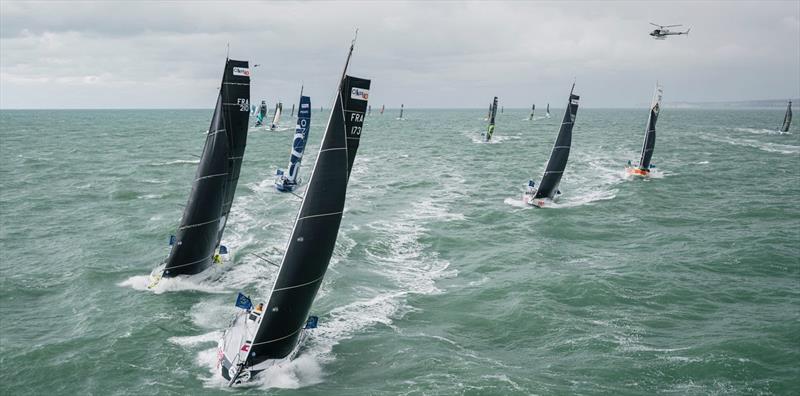

Class40 teams have shifted winter bases and revised supply chains—boat handovers, Caribbean winter training windows and assembled part inventories are dictating who will arrive prepared for the Route du Rhum 2026. Painting schedules, hull conversions from pointed to scow shapes, and timed deliveries of spars and electronics are now as decisive as seamanship for podium ambitions.
Key fleet moves and logistical timelines
Across the class, three operational trends stand out: targeted winter training in warmer latitudes, boat design changes requiring new rigging and spares, and in-house construction or major refits that hinge on tight supplier lead times. Teams are sequencing work so that testing windows open as soon as hull paint cures and systems are integrated.
| Skipper | Boat | Current focus | Logistics note |
|---|---|---|---|
| Thomas Lurton | Class40 No. 166 (ex-Crosscall) | Transition to a scow hull; Route du Rhum prep | Refit completed; parts staging for major races |
| Axel Tréhin | Lift V3 (self-build) | Final assembly and paint; race readiness | Component delivery critical; collective build team |
| Matéo Le Calvic | Class40 No. 185 | Winter training in Caribbean; transition from Class Mini | Rapid purchase closed; winter logistics optimised |
| Alexis Loison | New Class40 entry | Technical calibration for podium aim | Emphasis on reliability and calibrated systems |
Boat design and operational implications
The move from pointed hulls to scow designs has operational knock-on effects: different load patterns, new sail-change timing, and altered fatigue profiles for the crew. Teams must adjust spare parts lists and maintenance routines to cope with increased pounding at certain speeds, while exploiting the higher peak performance these hulls can deliver.
Maintenance checklist for scow-equipped teams
- Revised rigging tension and inspection intervals
- Additional structural reinforcements at impact zones
- Spare sails optimized for wider speed bands
- Updated crew rotation plans to manage fatigue
Building a boat: the collective challenge
Axel Tréhin’s Lift V3 project exemplifies modern Class40 construction dynamics: a small core team supported by naval architects (Marc Lombard) and specialists (Gepeto) working to a tight calendar. Painting marks a pivotal milestone—deck work must be complete before finishes are applied, after which assembly accelerates into a complex puzzle of systems integration.
Economic pressure remains a constant companion: securing sufficient funding to line up at race starts, while investing in testing and calibration, is as critical as the engineering itself. Teams balance immediate race entry against the longer-term goal of extracting sustained performance throughout the season.
Development pathways for new entrants
For sailors like Matéo Le Calvic and Alexis Loison, Class40 represents a step up in both distance and operational complexity. Rapid boat purchases—such as a Caribbean-signed hull to maximise winter miles—shorten the learning curve, but place emphasis on structured training, co-skipper coordination, and meticulous pre-race checks.
- Focus on endurance sailing and weather routing
- Precision in sail changes and manoeuvre anticipation
- Calibration and reliability as race-winning factors
What it means for sailing tourism and spectators
As the Class40 calendar tightens, opportunities for travel experiences around major events increase: onshore hospitality, spectator boats, museum exhibits and interactive workshops grow with fleet professionalism. For travelers and sailing fans, that translates into more organised cruise packages, exclusive yacht charters for events, and museum tours with live guides tied to regatta hubs.
Fans wanting to combine travel with on-the-water excitement should plan logistics early—port access during stopovers, berth reservations for spectator vessels, and local transport to fjord or coastal viewpoints are in higher demand as teams crowd preparation windows.
The racing narrative remains compelling, but even the best written reports and most honest feedback can’t replace first-hand experience. On GetExperience, you book your experience from verified providers at reasonable prices, with voucher confirmation and secure payments, which helps avoid unnecessary expenses or disappointments while letting you tailor requests for tours or excursions that match your interests. Take advantage of transparent booking, broad choice and practical convenience—Book your Trip GetExperience.com
In short: Class40 2026 is shaped by logistical precision—boat conversions to scow hulls, in-house builds reaching painting and assembly, and winter training moves that accelerate readiness. Sailors transitioning from Class Mini or other circuits must prioritise technical reliability, crew endurance and spares management. For travellers and sailing fans, the season offers expanded travel experiences and adventure activities including exclusive yacht charters, cruise packages and even eco-friendly wildlife safaris near regatta stopovers. Whether you prefer interactive online cultural workshops before you go or luxury adventure travel experiences on arrival, planning around the fleet’s logistics ensures the best outcomes for both racing and tourism participation.