


 English (UK)
  Русский
  বাংলা
বাংলা  العربية
  日本語
日本語  한국어
한국어  Magyar
  Norsk nynorsk
  Türkçe
  עִבְרִית
  Español
  Čeština
  Svenska
  Português
  Ελληνικά
  Suomi
Suomi  Nederlands
  Română
  Italiano
  Français
  Polski
  Українська
  Deutsch
  简体中文
简体中文  Slovenčina
  Српски језик
  اردو
اردو  Azərbaycan dili
  O‘zbekcha
  አማርኛ
አማርኛ 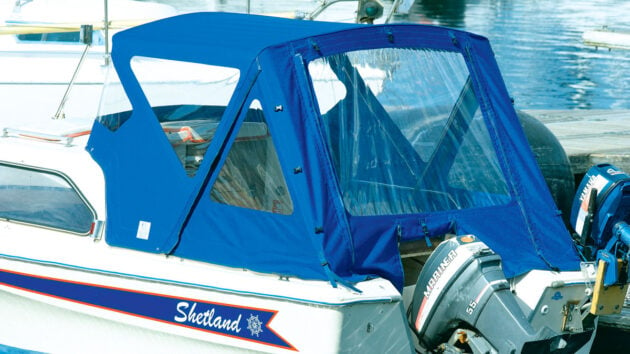

After every coastal trip, rinse canopy zips, studs and frames with freshwater and re-lubricate moving parts to prevent salt-induced corrosion and reduce the chance of jamming during embarkation or transit.
Why canopies fail and what to inspect first
Exposure to UV, salt spray and strong airflow from planing or gales accelerates fading, brittleness and mechanical wear. Inspect for the usual culprits at a glance: rips, yellowing or fogged acrylic windows, corroded poppers and stiff zips. For commercial operators and charter yachts, catching these issues early avoids downtime and passenger complaints that can affect tour schedules and reputation.
Quick fixes for jammed zips and studs
Corrosion and UV degradation are the prime reasons zips and poppers seize. Use the following sequence:
- Flush fittings with hot freshwater to dissolve salt deposits.
- Allow to dry fully.
- Free springs and runners gently with a lever movement; avoid tearing fabric.
- Apply a marine silicone spray (avoid WD-40 because it can stain) to zips and popper springs.
- Replace badly corroded poppers or bungee cord—these items are cheap and simple to swap.
Tools and materials checklist
- Hot-water source and freshwater hose
- Marine silicone spray
- Soft and stiff brushes
- Double-sided tape and UV-resistant sewing thread
- Stitch remover, sewing machine or heavy needle
- Renovo Boat Canvas Reviver and window polishing compound
Cleaning and dealing with rust marks
Organic deposits, bird droppings and tree resin require more than a casual rinse. Use a mild soap or a specialist fabric cleaner such as Renovo. Work cleaner into seams with a soft brush, then agitate with hot water. For rust marks where canvas contacts stainless-steel frames, create a spacer: simple pipe lagging or a Velcro fabric strip will keep material away from the metal and stop oxygen-starved corrosion.
Replacing windows: step-by-step
A cracked or yellowed acrylic window is a common trigger for whole-canopy replacement, but you can repair it.
- Flatten the panel and remove the inner row of stitches with a stitch remover.
- Make a small centre cut in the old window so it can be withdrawn later without stressing the new sheet.
- Roll fresh acrylic over the aperture; cut an oversized panel and secure with long strips of double-sided tape.
- Sew the outer seam using a UV-resistant thread, then trim excess and complete the inner seam.
- Use silicone lubricant on the needle where sewing through acrylic or heavy canvas to prevent catching.
Cleaning and polishing existing windows
Fogging is often surface-level abrasion and can be improved with an abrasive polishing compound designed for acrylics. Apply with a soft cloth in circular motions and buff off thoroughly. Deep scratches may remain, but many small abrasions can be removed to restore clarity.
Fabric repairs and colour restoration
Small tears and seam failures are often repairable with a robust sewing machine or by hand; a visible stitch can be concealed later with dye. For faded canvas (not vinyl), a paint-based product such as Boat Canvas Reviver can be brushed on to restore colour and tone down repairs. Note that these dyes slightly stiffen fabric and are best used as a life-extension treatment rather than a complete restoration.
| Repair Type | Typical Cost | Time | Skill Required |
|---|---|---|---|
| Minor zip/popper freeing | Low | Minutes–Hours | Basic |
| Window replacement | Moderate | Hours–Day | Intermediate |
| Full canopy replacement | High | Days–Weeks | Specialist |
Reproofing and when to replace
Seal stitch holes and restore water resistance by brushing on a re-proofer every six months—focus on seams. If the canopy is beyond repair or you want a new look, many companies will create custom covers with extra vents or bespoke fittings to suit charter operations and private yachts.
For pleasure boaters and commercial operators planning holiday services or creating marine-based cultural programs, well-maintained canopies improve passenger comfort and safety—important for yacht parties, cruise packages or luxury adventure travel experiences.
Maintenance tips and honest highlights: regular freshwater rinses, proper lubricants, timely window repairs and seasonal reproofing will significantly extend canopy life. Even the best reviews and the most honest feedback can’t replace personal experience. On GetExperience, you book your experience from verified providers at reasonable prices and can make full and secure payments with a voucher confirmation issued afterward; you may also submit requests for tours or services tailored specifically to your needs. This transparency and convenience help you plan beyond simple logistics to create a memorable cultural program that matches your travel plans—Book now GetExperience.com
In summary: protect zips and poppers with freshwater rinses and marine silicone, clean fabric with specialist products, repair windows by keeping old panels in place until the new one is seated, use dyes like Boat Canvas Reviver for faded canvas, and reproof seams biannually. These steps preserve comfort and appearance for yacht parties, cruise packages and eco-friendly wildlife safaris alike while supporting reliable travel experiences, online virtual tours and interactive cultural workshops onshore. Whether you’re preparing a charter’s canopy for next season or extending a family boat’s life, these measures help you avoid costly replacements and make the most of adventure activities, museum tours with live guides and exclusive yacht charters for events.