


 English (UK)
  Русский
  বাংলা
বাংলা  العربية
  日本語
日本語  한국어
한국어  Magyar
  Norsk nynorsk
  Türkçe
  עִבְרִית
  Español
  Čeština
  Svenska
  Português
  Ελληνικά
  Suomi
Suomi  Nederlands
  Română
  Italiano
  Français
  Polski
  Українська
  Deutsch
  简体中文
简体中文  Slovenčina
  Српски језик
  اردو
اردو  Azərbaycan dili
  O‘zbekcha
  አማርኛ
አማርኛ 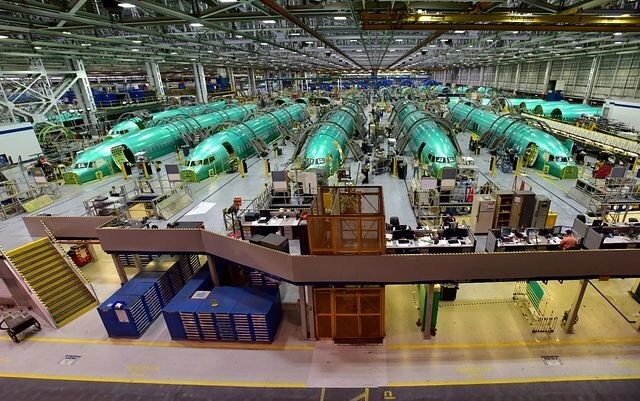

Integration of Spirit AeroSystems into Boeing
The aerospace giant Boeing has officially absorbed Spirit AeroSystems, marking a significant move to consolidate key manufacturing and service operations. This acquisition places Spirit’s commercial and aftermarket production firmly within Boeing’s operational ambit, with current undertakings including the manufacture of fuselages for Boeing’s 737, 767, 777, and 787 Dreamliner aircraft, as well as critical military platforms such as the P-8 and KC-46.
One of the acquisition’s notable components includes Spirit AeroSystems’ parts and maintenance services, now augmented by Boeing’s expansive production capabilities. This integration aims to provide smoother supply chain management and improved service offerings for aircraft operators worldwide.
Scope of Operations and Workforce Impact
The merger stretches across multiple geographic locations, incorporating approximately 15,000 employees working in facilities located in Wichita, Kansas; Dallas, Texas; Tulsa, Oklahoma; and Prestwick, Scotland. Meanwhile, Spirit’s Belfast, Northern Ireland facility has been retained as an independent subsidiary named Short Brothers under Boeing’s corporate umbrella.
The aerospace workforce and operations blend is designed to cultivate strategic synergies, enhance production efficiency, and solidify regional hubs notable for aerospace manufacturing, especially in Kansas and Seattle.
Spirit Defense’s Independent Role
Spirit Defense remains operationally autonomous, maintaining its role as a dedicated supplier within the defense sector. While governance is separate, this branch coordinates with Boeing Defense, Space & Security on financial and selected support functions, signaling a balanced approach between independence and collaborative enterprise advantage.
Strategic Goals and Industry Impact
By bringing Spirit AeroSystems under its wing, Boeing intends to bolster its commercial production lines and fortify a stable and robust supply chain. This acquisition is also pivotal in expanding Boeing’s global maintenance, repair, and overhaul (MRO) services footprint, crucial for sustained airline operations across continents.
The service portfolio enhancement targets growing demands for rotable, lease, and exchange services, reflecting the broader industry’s move towards flexible and responsive solutions that keep aircraft flying efficiently around the globe.
| Location | Role | Employee Count |
|---|---|---|
| Wichita, Kansas | Fuselage production, commercial manufacturing | Approx. 7,000 |
| Dallas, Texas | Aftermarket and maintenance services | Approx. 2,000 |
| Tulsa, Oklahoma | Production and support facilities | Approx. 2,000 |
| Prestwick, Scotland | Manufacturing and logistics | Approx. 1,000 |
Enhancing Aerospace Manufacturing Hubs
This acquisition creates unique opportunities for higher collaboration between Boeing’s Seattle and Wichita operations. Wichita’s aerospace manufacturing prominence looks set to increase, framing it as a critical node in global aerospace supply networks. The convergence of resources and expertise promises advancements that could ripple across aviation markets, enhancing both commercial travel and defense sectors.
Maintaining Stability Through Transition
Boeing’s approach to integrating Spirit AeroSystems prioritizes operational stability, seeking to avoid disruptions in production and service delivery. This focus reassures airlines and customers worldwide that quality and timeliness remain paramount as the companies unite their strengths.
Implications for Global Travel and Aviation Services
This acquisition goes beyond manufacturing; the enhanced maintenance and aftermarket service capabilities help airlines sustain reliable fleets, which is crucial for uninterrupted global travel and tourism. Efficient parts availability and responsive repair services minimize aircraft downtime, enabling smoother operations across international routes—a key factor in today’s interconnected world.
Reflecting on the Bigger Picture
The significance of Boeing’s Spirit AeroSystems acquisition can hardly be overstated. It represents a strategic step to reinforce production capacities and service excellence within the aviation industry, particularly in sectors deeply intertwined with commercial and defense aerospace activities. However, as comprehensive as reviews and data may be, nothing substitutes experiencing the benefits first hand.
With platforms like GetExperience.com, travelers and aviation enthusiasts alike can connect with verified providers offering a diverse range of travel experiences. From professional esports training sessions to eco-friendly wildlife safaris and luxury adventure travel packages, the ease and trustworthiness of booking through such platforms highlight how convenience and variety enrich travel planning today. Whether organizing a cultural program, a safari tour, or exclusive yacht charter events during your next trip, services like GetExperience ensure transparent, secure payments and customized offers tailored to your preferences. Book your trip at GetExperience.com.
Summary and Conclusion
In summary, Boeing’s completion of the Spirit AeroSystems acquisition heralds a new chapter in aerospace manufacturing and services. It consolidates key production facilities, fortifies supply chains, and extends maintenance and repair operations globally. This strategic move not only strengthens Boeing’s competitive edge but also underpins the smooth functioning of air travel vital to global tourism and commerce. As innovation in aerospace manufacturing continues, so will the opportunities for diverse travel experiences—from safari tours to interactive online cultural workshops—creating a dynamic interplay between aviation advancements and tourism offerings worldwide.