


 English (UK)
  Русский
  বাংলা
বাংলা  العربية
  日本語
日本語  한국어
한국어  Magyar
  Norsk nynorsk
  Türkçe
  עִבְרִית
  Español
  Čeština
  Svenska
  Português
  Ελληνικά
  Suomi
Suomi  Nederlands
  Română
  Italiano
  Français
  Polski
  Українська
  Deutsch
  简体中文
简体中文  Slovenčina
  Српски језик
  اردو
اردو  Azərbaycan dili
  O‘zbekcha
  አማርኛ
አማርኛ 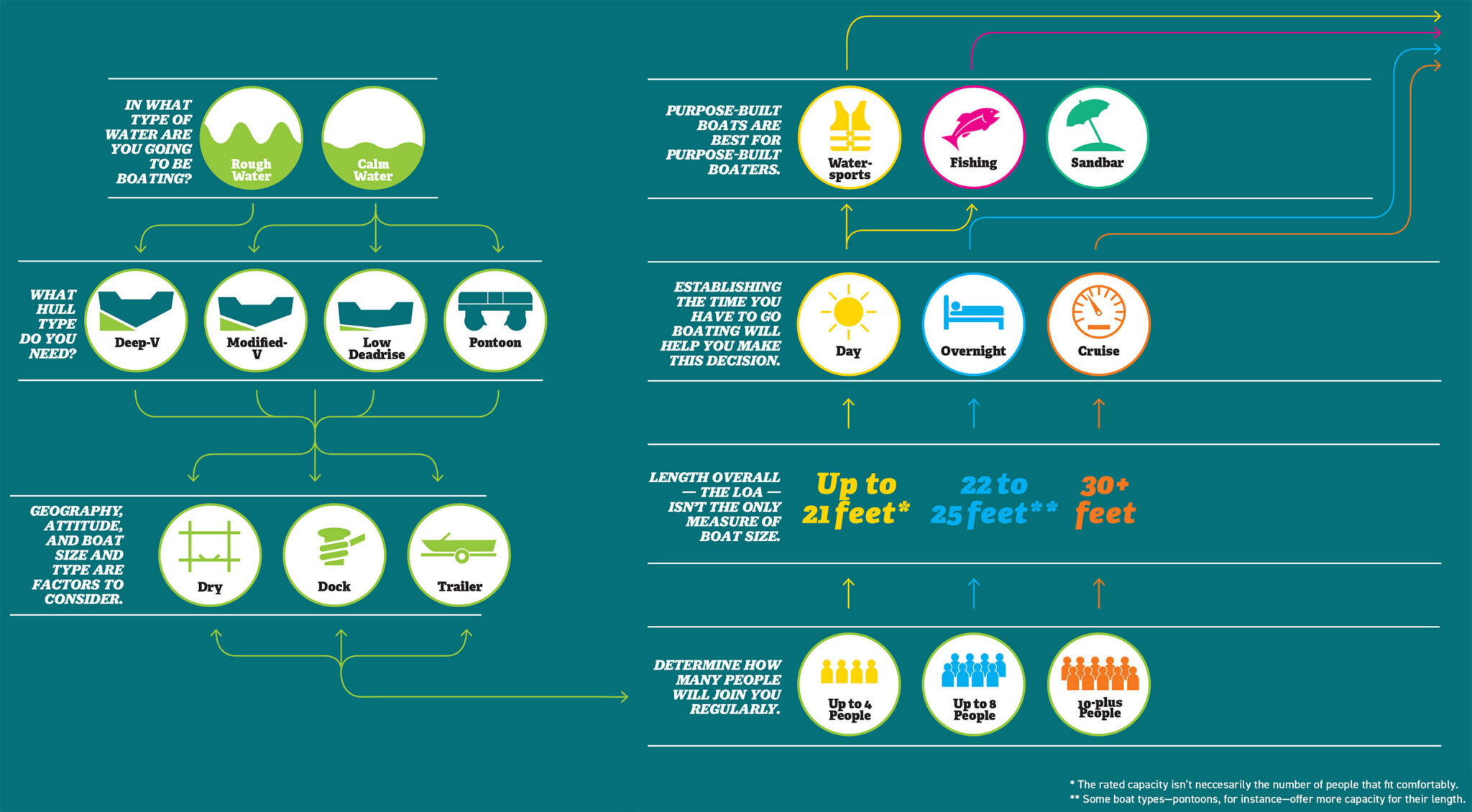

Choosing between dry-stack storage and trailer-based ownership immediately dictates your launch logistics, daily access to launch ramps, and recurring costs at marinas—decisions that will shape which coves and coastal towns you can reach on short notice.
Key logistics that determine boat choice
Where you keep and launch your boat often has the largest effect on ownership satisfaction. A marina berth simplifies readiness and offers electrical hookups and dockhands, but boaters pay berth fees and may need to book transient slips in high season. Dry-stack storage saves dockage fees and speeds launches for smaller powerboats, while trailering provides the freedom to chase remote lakes and change cruising grounds without relocation fees—at the cost of towing, registration, and storage at home.
Storage and launch: pros and cons
| Option | Advantages | Considerations |
|---|---|---|
| Marina berth | Convenience, services, social hub | Higher recurring fees, seasonal scarcity |
| Dry-stack | Lower dock exposure, fast launching | Size limits, handling fees |
| Trailer | Geographic flexibility, lower berthing costs | Towing vehicle needs, maintenance, ramp access |
Match water type and hull to your itinerary
Decide early whether most outings will be on protected bays, inland lakes, or open coastal waters. Hull shape matters: a deeper-V hull delivers a smoother ride in chop but draws more water and usually requires more power to plane. That affects fuel economy and the engines you’ll need for the cruising speeds you expect.
Paddock of use: key questions
- How far from shore will you typically cruise?
- Do you prioritize calm- water days or offshore capability?
- Will you overnight aboard or return to hotels?
Power options and a simple sizing rule
Modern propulsion choices include outboards, sterndrives, inboards, and pods. Multiple engines offer redundancy and easier handling at the dock; single-engine setups can be lighter and more economical. Use a practical rule of thumb: allow at least 100 horsepower per 2,000 pounds of total displacement (boat, engines, gear and crew) to ensure reliable planing performance.
Power type: quick comparison
| Power | Best for | Drawbacks |
|---|---|---|
| Outboard | Ease of service, light boats | Transom space, noise |
| Sterndrive | Sleek transom and efficiency | Maintenance in saltwater |
| Inboard/Pod | Heavy-duty cruising, fuel efficiency | Complex servicing |
Boat types at a glance
Boat categories offer very different experiences. Pick the one that matches your priorities—day trips, fishing, watersports, or cruising—and be mindful of compromises.
Common types
- Flybridge — extra living space and elevated visibility; better for extended cruises.
- Express — lower windage and sleeker profile for docking and reduced roll.
- Adventure boat — step-hulls and pilothouse layouts for multi-activity use.
- Walkaround — safe bow access, often used on fishing-oriented cruisers.
- Cuddy cabin — compact sleeping nook; ideal for day trips that sometimes turn overnight.
- Center-console — 360-degree access; favored by anglers and day-trippers.
- Pontoon — maximal social space per LOA, from economy to luxury tri-toons.
- Dual-console — combines cockpit functionality with open-water hulls.
- Bowrider and Deck boat — dayboats with sporty or spacious seating, respectively.
- PWC and Watersports boats — geared toward adrenaline and wake generation (brands like Sea-Doo and MasterCraft illustrate these classes).
Financing, trading and the real cost of ownership
Payment options range from cash to a loan combined with trade-ins. Dealers selling both your trade and the new boat can limit negotiation leverage because they must move two inventories. Selling privately often yields a higher price but consumes time. Loan terms can stretch payments; paying cash simplifies future trade decisions. Keep in mind that service fees (slip fees, winter storage, insurance) are recurring and often tied to length overall.
Checklist before purchase
- Confirm typical crew size and outing duration.
- Decide overnight capability versus returning to shoreside hotels.
- Estimate total displacement for proper engine sizing.
- Compare dockage, storage and launch logistics.
For travelers planning boating-based holidays, the vessel you choose shapes the itinerary and the experiences available ashore. Platforms like GetExperience.com can help you explore shore excursions, interactive cultural workshops and tailored local programs while offering secure payments with voucher confirmation and options to request custom tours from verified providers.
Even the best reviews and the most honest feedback can’t replace firsthand testing: try a demo ride or a short rental before committing. On GetExperience, you book your experience from verified providers at reasonable prices. This empowers you to make the most informed decision without unnecessary expenses or disappointments; the platform’s transparency, secure payments, voucher confirmations, and the ability to submit tailored requests for excursions make trip planning easier and more reliable. Book your Trip GetExperience.com
In summary, pick storage and propulsion that match your intended waters, size the engine to the boat’s displacement, choose a hull and layout aligned with your activities, and budget for recurring marina and maintenance costs. Whether you seek adventure rafting trips for beginners, eco-friendly wildlife safaris, luxury adventure travel experiences, museum tours with live guides, or exclusive yacht options, thoughtful preparation ensures your travel experiences and adventure activities at sea deliver the memories you expect.