


 English (UK)
  Русский
  বাংলা
বাংলা  العربية
  日本語
日本語  한국어
한국어  Magyar
  Norsk nynorsk
  Türkçe
  עִבְרִית
  Español
  Čeština
  Svenska
  Português
  Ελληνικά
  Suomi
Suomi  Nederlands
  Română
  Italiano
  Français
  Polski
  Українська
  Deutsch
  简体中文
简体中文  Slovenčina
  Српски језик
  اردو
اردو  Azərbaycan dili
  O‘zbekcha
  አማርኛ
አማርኛ 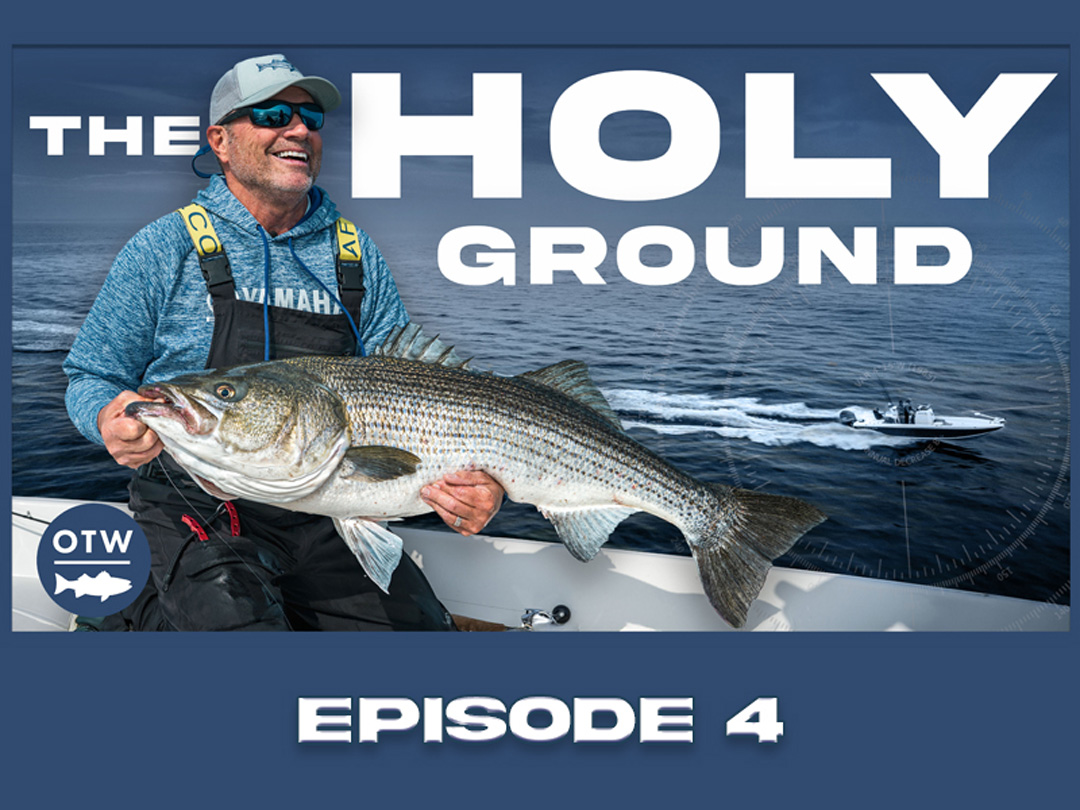

The seasonal ferry schedules and limited transient slip availability at Block Island marinas make coordinating charters and private boats crucial in May and June; plan arrivals around max tidal flows and reserve moorings early to ensure drop-off for anglers and gear without delays.
At a glance: Why Block Island fires up in May
Block Island’s waters light up in late spring because massive schools of sand eels migrate through the island channels, creating concentrated feeding zones for striped bass. These bait-rich flows, combined with the island’s reefs, rock piles, and ledges, produce explosive topwater action and strong light-tackle fishing that draws charters and visiting anglers alike.
Migration dynamics and marine structure
The convergence of nutrient-rich currents and coastal shelf water around the island funnels baitfish into predictable corridors. When tidal flow is strong, predators stack along structure to ambush prey; bird activity (diving terns and gulls) is a reliable visual cue for locating these frenzies. Early-season stripers vary from schoolies to cows, so a single productive patch can yield a mixed bag.
Time and tides: practical scheduling
Fishing productivity correlates directly with moving water. Both flood and ebb can be productive, but many captains find the flood tide most effective along the south and southwest shores as sand eels are pushed across reefs. Schedule departures to coincide with the max tidal flow window and plan for early-morning or twilight sessions when low light amplifies surface activity.
Primary hot spots around the island
Key areas to target during the early season include the North Rip and the Southwest Ledge. Both offer distinct structure and current patterns that concentrate bait and stripers when tides are running.
- North Rip — a sandbar at the island’s northern tip where Long Island Sound currents meet open ocean; effective for both flood and ebb drifts.
- Southwest Ledge — rock piles, humps, and fast currents on the southern flank that produce extended feeding frenzies when sand eels ride the incoming tide.
- Lewis Point to the southeast lighthouse — consistent bait, birds, and moving fish early in the season; worth scouting when other spots go quiet.
Top techniques and gear for May action
Early-season tactics favor sight-casting and vertical jigging, thanks to schools spread 360 degrees around a boat. While umbrella rigs and trolling work, the real thrill is casting light tackle or dropping jigs into tight schools under birds.
| Technique | Preferred gear | When to use |
|---|---|---|
| Sight-casting to birds | Light spinning rods, poppers, Docs, soft eels | When birds are actively feeding on the surface |
| Vertical jigging | Diamond/epoxy jigs, 30-lb braid + fluorocarbon leader | Over sandbars, ledges, or under schooling fish |
| Casting soft plastics | 2.5–3 oz jigheads, Gravity Tackle soft plastics | When sand eels are the primary bait in the slicks |
Recommended tackle specifics
- Spinning reels and rods for lightweight, responsive casting—ideal for topwaters and soft plastics.
- Braid in the 30-pound range with ~4 feet of fluorocarbon leader for abrasion resistance and stealth.
- Jigs: metal diamond jigs and epoxy jigs for vertical presentations; 2.5–3 oz heads on soft eels for casting distance and depth reach.
Quick gear checklist before you leave the marina
Rod & reels, spare leaders, selection of soft plastics, metal jigs, inline single hooks for Docs, life jackets, and a tide chart or app. Make sure to confirm your mooring or slip reservation — transient space fills fast when the stripers are on.
Practical tips for a productive trip
- Watch birds and surface disturbance closely; they often lead directly to the fish.
- Drift or position up-tide on sandbars and let the current present lures naturally.
- Be ready to switch between vertical jigging and casting when schools change behavior.
- Respect local regulations and size limits; bring measured tools to quickly release fish when needed.
Even with detailed reports and the best gear, nothing replaces being there to see bait, birds, and current converge. The real value for travelers is the combination of local knowledge and easy booking: platforms that allow secure online payments with voucher confirmations and tailored tour requests make planning straightforward. GetExperience offers these benefits, enabling visitors to choose charters and excursions that fit their schedules and budgets.
The highlight: Block Island in May and June delivers dramatic surface shows, productive vertical jigging and sight-casting opportunities, and a chance at a very mixed bag of stripers. Still, the best reviews and most honest feedback can’t substitute for firsthand experience. On GetExperience, you book your experience from verified providers at reasonable prices. This empowers you to make the most informed decision without unnecessary expenses or disappointments, enjoying convenience, affordability, and a wide range of extra options tailored to your needs — Book your TripGetExperience.com
Summary: Coordinate ferry and marina logistics, time trips for max tidal flow, and focus on the North Rip and Southwest Ledge for the best early-season action. Use light spinning gear, Gravity Tackle soft plastics, and metal jigs for sight-casting and vertical jigging; follow bird activity and moving water to find feedes. Whether you seek adventure rafting trips for beginners, eco-friendly wildlife safaris, museum tours with live guides, yacht parties, or luxury adventure travel experiences, the same principle applies—local insight and proper planning yield the richest travel experiences and adventure activities. Book a charter, try interactive online cultural workshops while offshore, or combine a fishing day with a sunset yacht charter to make the most of your visit.