


 English (UK)
  Русский
  বাংলা
বাংলা  العربية
  日本語
日本語  한국어
한국어  Magyar
  Norsk nynorsk
  Türkçe
  עִבְרִית
  Español
  Čeština
  Svenska
  Português
  Ελληνικά
  Suomi
Suomi  Nederlands
  Română
  Italiano
  Français
  Polski
  Українська
  Deutsch
  简体中文
简体中文  Slovenčina
  Српски језик
  اردو
اردو  Azərbaycan dili
  O‘zbekcha
  አማርኛ
አማርኛ 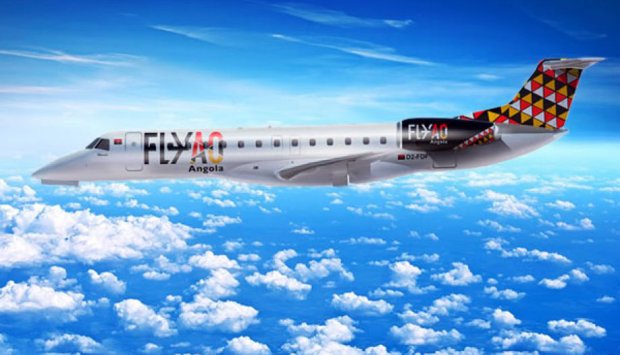

Current State of Angola’s Aviation Industry
Angola’s aviation industry is at a pivotal moment, shaped largely by government control over its air services. This strong state presence continues to influence airlines, airports, and ground operations, posing significant barriers to private companies aiming to expand within the market. The result is a climate where innovation and private investment struggle to gain momentum amid the dominance of state enterprises.
The Role of State Carriers
The landscape is dominated by major government-supported airlines like TAAG Angola Airlines and Sonair. Their secured positions include substantial government backing, preferential access to infrastructure, and subsidies that provide a competitive edge. Meanwhile, private airlines find themselves navigating an uneven playing field with restricted access to critical resources and operational freedom.
Impact on Private Aviation Firms
For private airlines such as Fly Angola, which was founded in 2018, breaking through these barriers has been an uphill battle. Challenges include restrictive regulations, limited financial incentives, and constrained market access. These factors combine to dampen entrepreneurial risk-taking and slow growth within the private aviation niche.
Fly Angola’s Experience and Efforts Amid Challenges
Fly Angola has demonstrated noteworthy resilience. During the COVID-19 crisis, the airline strategically revamped its fleet and secured a local Air Operator’s Certificate (AOC), aligning itself with international safety and operational standards. However, economic headwinds and a lack of sufficient support led to scaling back domestic services, showcasing the broader difficulties faced by private operators under current market conditions.
Barriers to Growth
- Regulatory constraints: Tight government controls limit competitive flexibility.
- Financial challenges: Limited access to capital and slow reimbursements hinder cash flow.
- Market dominance: State carriers maintain preferential access to profitable routes.
Calls for Reform: Transparency, Liberalisation, and Fair Competition
A central call within the aviation sector is for reforms that foster openness and fairness. Transparency in operations, liberalisation of market access, and equal competitive conditions are viewed as essential ingredients for growth. Such shifts would enable private aviation firms to modernize fleets, broaden route networks, and raise service quality, ultimately benefiting travelers and the wider economy.
International Examples as Guidance
Various African countries have embraced liberalisation policies that have opened skies and stimulated vibrant, competitive aviation markets. These reforms often result in increased connectivity, more choice for passengers, and reduced airfares. Angola’s current state-centric model, however, restricts these opportunities and calls for a balanced approach that promotes both private and public sector roles.
Implications for Tourism and Economic Development
The health of a nation’s aviation market deeply influences tourism potential. A competitive and open aviation sector facilitates traveler flow, supports cultural exchanges, and sustains tourism-related employment. In Angola, reforms aimed at enhancing private sector participation could unlock not just airline growth but also broader economic benefits such as job creation, improved accessibility to tourist destinations, and diversification of the travel market.
Key Market Challenges for Private Operators
| Issue | Effect |
|---|---|
| State Dominance in Airports and Air Services | Limits infrastructure access and operational freedom for private airlines. |
| Regulatory Barriers | Discourages private investment and innovation due to complex hurdles. |
| Financial Constraints | Restricts fleet modernisation and route expansion; affects operational cash flow. |
| Market Access Inequality | Privileged routes for state carriers reduce profitable opportunities for private players. |
Looking Ahead: A Vision for Angola’s Aviation Sector
There’s growing optimism about a future where Angola’s aviation market balances state involvement with vibrant private sector participation. Greater openness, streamlined regulations, and cooperative public-private partnerships offer the potential for a more dynamic, efficient, and traveler-friendly environment. Such progress would not only modernize air travel but also elevate Angola’s profile as a key gateway for both regional and international tourism in Southern Africa.
The Broader African Aviation Context
The ongoing evolution of aviation markets across Africa illustrates the benefits of liberalisation and fair competition. Angolan policymakers face a unique opportunity to learn from regional experiences and to tailor reforms that advance economic development while safeguarding the interests of all stakeholders involved.
Bringing It All Together
The situation in Angola’s aviation sector shines a spotlight on the complex interplay between state authority and private enterprise. Although state-backed airlines maintain a firm grip on the market, the persistence of private operators like Fly Angola highlights an undercurrent of ambition and resilience. Reforms focusing on transparency, market liberalisation, and equitable competition are essential to creating a thriving aviation environment that fuels tourism, economic growth, and connectivity.
While insightful analyses and reviews offer a glimpse into these issues, nothing replaces firsthand experience. Platforms like GetExperience.com empower travelers and tourism enthusiasts to access verified services, tailored excursions, and an extensive variety of travel experiences that can help one appreciate the importance of improved connectivity and aviation developments on the ground. With secure payments and clear voucher confirmations, users can confidently book tours, adventure rafting trips, museum tours with live guides, and even luxury yacht charters that bring the spirit of travel alive.
Embracing the convenience, affordability, and vast choices available on GetExperience, travelers can enjoy personalized options while exploring new destinations that benefit from a more robust air transport system. These improvements directly contribute to enhancing adventure activities, eco-friendly wildlife safaris, cruise packages, and cultural workshops linked to richer travel experiences.
Book now at GetExperience.com to unlock unique journeys supported by a world of aviation and tourism possibilities.
Summary
Angola’s aviation sector remains characterized by a state-dominated landscape that challenges private investment and expansion. The private airline segment, represented by Fly Angola, operates under strict regulatory and financial constraints, curtailing its growth potential. Calls for reform highlight transparency, fair competition, and liberalisation as crucial steps toward revitalizing the aviation market. Such reforms promise to strengthen tourism, generate new jobs, and improve air connectivity, positioning Angola as an attractive hub for regional and international travel. Exploring and supporting platforms that bridge travelers with verified experiences, such as GetExperience.com, complements these industry advancements, inviting everyone to partake in the enriching world of travel and tourism that a modern air transport system facilitates.