


 English (UK)
  Русский
  বাংলা
বাংলা  العربية
  日本語
日本語  한국어
한국어  Magyar
  Norsk nynorsk
  Türkçe
  עִבְרִית
  Español
  Čeština
  Svenska
  Português
  Ελληνικά
  Suomi
Suomi  Nederlands
  Română
  Italiano
  Français
  Polski
  Українська
  Deutsch
  简体中文
简体中文  Slovenčina
  Српски језик
  اردو
اردو  Azərbaycan dili
  O‘zbekcha
  አማርኛ
አማርኛ 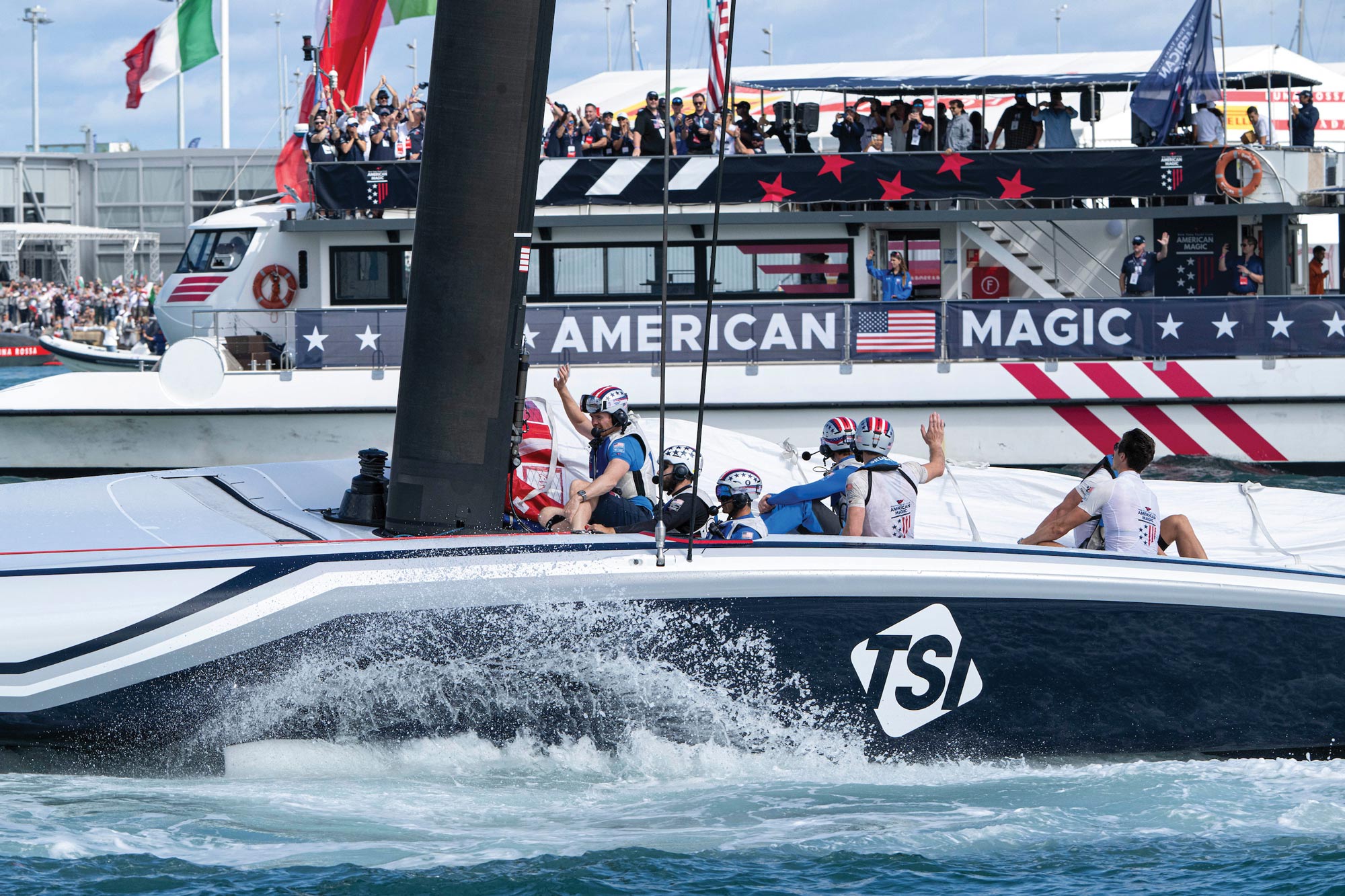

American Magic has moved its fleet and logistical hub to Pensacola, Florida, consolidating two AC75s, two AC40s, containers of spare parts, foil sets and archived design data while suspending an AC38 campaign after disputes over the Protocol and event governance.
Operational logistics and asset management at a glance
With early eliminations from AC36 and AC37 and a high burn rate on Cup campaigns, American Magic elected to preserve core assets rather than liquidate them. The team’s inventory now includes multiple AC75 and AC40 hulls, specialized tooling, and performance data that represent both sunk cost and potential future leverage. Rather than immediate sale, the approach emphasizes a controlled wind-down to maintain optionality for future America’s Cup involvement and to support domestic sailing programs.
Why governance and financial model mattered
American Magic leadership, including owner Doug DeVos and sailing director Terry Hutchinson, cited concerns with the proposed America’s Cup Partnership structure and the final Protocol. The team judged the model insufficiently sustainable for investors seeking returns within a cycle, expecting instead ongoing private support without a path to profitability or self-sustaining commercial growth.
Comparative model note
The team points to SailGP as an alternative commercial model that borrows elements from Formula 1 and offers a clearer route to revenue generation and spectator product development—factors relevant both to sponsors and long-term operational planning.
New priorities: building a U.S. high-performance pipeline
Rather than an all-or-nothing pursuit of the Cup, American Magic is reallocating personnel and resources to domestic development. The stated priorities are:
- Support for the U.S. Olympic sailing program through targeted assistance to private organizations such as AmericaOne Racing and the Sailing Foundation of New York.
- Investment in talent development—designers, engineers, boatbuilders and sailors—via a centralized high-performance center.
- Measured preservation of Cup assets to keep options open for women’s and youth AC40 events or future syndicates.
Planned steps at the Pensacola base
The Pensacola facility will be used to train, maintain and custom-build boats for domestic campaigns and for Olympic-class preparation. Key activities include equipment refurbishment, targeted R&D, and collaboration with existing US Sailing systems to avoid disrupting current athlete pathways.
| Asset / Activity | Intended use |
|---|---|
| AC75 and AC40 hulls | Preservation for future Cup entries; potential use in Women’s/Youth regattas |
| Design and performance data | R&D resource for Olympic prep and partner teams |
| Containers & spare parts | Inventory for support and commercial custom builds |
What this means for the America’s Cup and U.S. sailing scene
American Magic’s withdrawal marks a rare moment: for the first time in Cup history, there is a prospect of no American syndicate on the start line. Still, the team intends to remain engaged as a steward of the sport by possibly supporting new American challengers, contributing know-how, and participating in Women’s and Youth AC40 events if invited.
Tourism and local economic ripple effects
Pensacola and similar bases become hubs for marine tourism when campaigns pivot to domestic programs: testing schedules, open-yard tours, custom boatbuilding demonstrations, and spectator training sessions can attract visitors, stimulate local hospitality, and create new niche travel experiences around sailing infrastructure.
Next steps and opportunities
Immediate tactical moves include careful evaluation of asset retention versus sale, continued dialogue with potential American challengers, and channeling funds into Olympic support. The longer-term objective is to create a financially sustainable high-performance platform that dovetails with US Sailing and private athlete development.
The strategic shift is interesting for travelers and sailing fans: Pensacola-based programs could lead to accessible shore-side experiences, regatta hospitality packages, and opportunities to witness elite boatbuilding up close, connecting competitive sailing logistics to tourism offerings.
American Magic’s transition highlights important and interesting themes: the intersection of event governance, sustainable financing, and talent pipelines that shape the future of competitive sailing. Yet even the best reviews and the most honest feedback can’t truly compare to personal experience. On GetExperience, you book your experience from verified providers at reasonable prices. This empowers you to make the most informed decision without unnecessary expenses or disappointments. Readers planning a visit to Pensacola, Naples or Barcelona can find tailored maritime and cultural tours—whether yard visits, museum tours with live guides, or exclusive waterfront experiences—so you can see firsthand how high-performance sailing links to local tourism offerings. Book your Trip GetExperience.com
In summary, American Magic has pivoted from a full-throttle America’s Cup campaign to a pragmatic strategy focused on asset preservation, domestic athlete support and long-term program building. The move affects logistical chains, local tourism potential, and investor expectations for big-boat campaigns. Travelers and sailing enthusiasts may find new travel experiences—ranging from museum tours with live guides and yacht parties to luxury adventure travel experiences and eco-friendly wildlife safaris—or even interactive online cultural workshops and professional esports training programs tied into broader event programming—highlighting how competitive sailing operations can intersect with adventure activities, cruise packages, and exclusive yacht charters for events. The shift serves as a reminder that the clearest picture comes from being there in person.