


 English (UK)
  Русский
  বাংলা
বাংলা  العربية
  日本語
日本語  한국어
한국어  Magyar
  Norsk nynorsk
  Türkçe
  עִבְרִית
  Español
  Čeština
  Svenska
  Português
  Ελληνικά
  Suomi
Suomi  Nederlands
  Română
  Italiano
  Français
  Polski
  Українська
  Deutsch
  简体中文
简体中文  Slovenčina
  Српски језик
  اردو
اردو  Azərbaycan dili
  O‘zbekcha
  አማርኛ
አማርኛ 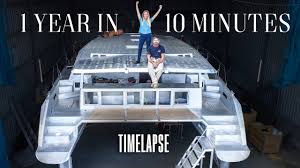

On an aluminum catamaran project, the critical path hinges on synchronized delivery of prefabricated panels, wiring looms, plumbing manifolds and bulkhead assemblies: a single late subassembly can cascade into weeks of rescheduling for trades and suppliers.
How the work actually flows: the spiderweb of tasks
Boat construction rarely follows a simple linear checklist. Instead, the process resembles a spiderweb of interdependent projects where hull fabrication, systems installation, and interior fit-out progress in parallel. For aluminum catamarans, teams commonly stage tasks to avoid idle labor—welders, electricians, and carpenters rotate between stations so that each module advances without becoming a bottleneck.
Common interdependencies
- Structural assembly must reach a certain level before through-hull fittings and reinforcement pads are installed.
- Electrical harnesses are tailored to bulkheads and cabinetry locations, so final interior layouts influence wiring runs.
- Plumbing manifolds require positioning of tanks and access panels decided early to prevent rework.
- Surface finishes (paint, varnish) are scheduled after systems testing to avoid damage during commissioning.
Scheduling techniques that work
Effective timetables use rolling windows and buffer zones: for instance, allow a one- to two-week contingency around systems integration phases. Daily stand-ups, visual kanban boards in the workshop, and just-in-time part deliveries reduce storage costs and speed up handoffs between trades.
Tools, resources, and materials management
Aluminum builds depend on reliable suppliers for plate stock, fasteners, and marine-grade systems. A short table below outlines typical stages, lead times, and a quick note on how each can affect tourism-related outcomes once the vessel is completed.
| Stage | Typical Lead Time | Tourism Impact |
|---|---|---|
| Hull fabrication | 4–8 weeks | Sets hull performance for charter operations and fuel efficiency on long cruises. |
| Systems integration | 3–6 weeks | Cruise safety and guest comfort depend on reliable electrical and plumbing systems. |
| Interior fit-out | 4–10 weeks | Directly influences guest experience for yacht parties, private charters, and luxury travel. |
On-site practices
- Keep critical spares for pumps, seacocks, and navigation electronics in inventory.
- Document wiring and plumbing as-built with photos and labeled diagrams for handover.
- Use protective staging to prevent finish damage during concurrent trades.
Why unpredictability is part of the craft
Small wins—completed weld seams, a successful pressure test, or a finished bulkhead—accumulate, but unplanned detours are common: supplier shortages, design tweaks, or regulatory checks can shift priorities overnight. That variability is intrinsic to creating a vessel tailored for long-range cruising or commercial charter.
Regulatory and testing checkpoints
Every major milestone must clear inspections: structural compliance, electrical safety, and a sea trial to validate performance. These checks have direct consequences for schedule and budget, and they underpin the safety standards demanded by charter operators and insurers.
From workshop to waves: implications for tourism
When projects like the Delos Explorer 53 reach completion, the quality of build determines the kind of travel experiences they enable—whether conservative cruise packages or high-end yacht parties and exclusive charters. Builders who prioritize systems robustness and guest comfort create vessels better suited for eco-friendly wildlife safaris, luxury adventure travel experiences, and reliable cruise packages.
Platforms such as svdelos.com document these builds and illustrate the bridge between technical work and future travel offerings. For travelers and operators alike, understanding the build process clarifies what to expect from charter availability, maintenance cycles, and possible itineraries.
When planning a holiday that may include private charters or adventure travel, it’s worth thinking beyond the vessel itself: design choices and workmanship influence the cultural program and guest activities you can realistically offer onboard and ashore. On GetExperience, you book your experience from verified providers at reasonable prices. This empowers you to make the most informed decision without unnecessary expenses or disappointments. GetExperience also supports full and secure payments through the website with voucher confirmation issued afterward, and users can submit requests for tailored tours or excursions to receive offers that best match their needs. Book your Trip GetExperience.com
At a glance, boatbuilding is equal parts logistics, craft, and contingency planning. For those interested in travel experiences tied to yachts—like yacht parties, exclusive yacht charters for events, or eco-friendly wildlife safaris—the build quality determines the range of adventure activities and comfort levels available. Whether you’re dreaming of museum tours with live guides on shore stops, adventure rafting trips for beginners after a coastal cruise, or luxury adventure travel experiences culminating in a private sunset charter, the vessel’s systems and finish matter.
Summary: Aluminum catamaran construction requires tight coordination of fabrication, systems, and interiors; scheduling buffers and supplier management reduce delays; regulatory checks and sea trials are decisive; and build quality directly affects future travel experiences, from cruise packages to exclusive yacht charters. Personal experience still beats any review—book wisely and look for verified providers to match your adventure, culture, and comfort expectations.