


 English (UK)
  Русский
  বাংলা
বাংলা  العربية
  日本語
日本語  한국어
한국어  Magyar
  Norsk nynorsk
  Türkçe
  עִבְרִית
  Español
  Čeština
  Svenska
  Português
  Ελληνικά
  Suomi
Suomi  Nederlands
  Română
  Italiano
  Français
  Polski
  Українська
  Deutsch
  简体中文
简体中文  Slovenčina
  Српски језик
  اردو
اردو  Azərbaycan dili
  O‘zbekcha
  አማርኛ
አማርኛ 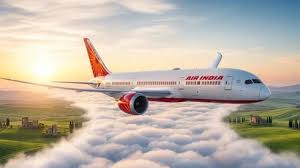

From May 1, 2026, Air India will commence five weekly nonstop rotations between Delhi and Hanoi, while a separate four-times-weekly nonstop service between Mumbai and Tokyo Haneda begins on June 15, 2026, increasing scheduled seat capacity on key business and tourism lanes across Asia.
Flight schedule and operational details at a glance
The two new routes are positioned to serve a mix of tourist and corporate demand. The Delhi–Hanoi sector targets both leisure travellers and cultural visitors to Vietnam, enabling open‑jaw itineraries that combine arrivals in one city with departures from another. The Mumbai–Tokyo Haneda link augments existing Delhi–Tokyo connectivity and improves access to Japan from India’s financial hub.
| Route | Start Date | Weekly Frequency | Primary Purpose |
|---|---|---|---|
| Delhi – Hanoi | 1 May 2026 | 5 | Tourism, business, cultural exchanges |
| Mumbai – Tokyo (Haneda) | 15 June 2026 | 4 | Business travel, improved hub access |
Fleet and product changes relevant to travellers
As part of its Northern Summer Schedule 2026 rollout, Air India will deploy a mix of new and retrofitted aircraft on major international sectors. Passengers can expect expanded availability of Premium Economy on selected routes, an increase in frequencies to North America and East Asia, and the selective reintroduction of First Class on long‑haul services—moves that are likely to influence fare structures and seat inventory for Asia services too.
How the new links affect tourism and travel planning
- Greater multi‑city flexibility: The Delhi–Hanoi nonstop supports open‑jaw itineraries for travellers who have a mind to explore multiple Vietnamese cities in one trip.
- Business-to-leisure spillover: Increased business connectivity between Mumbai and Tokyo can generate more short‑stay leisure trips to both markets.
- Seasonal capacity shifts: Summer schedule upgrades and cabin retrofits will redistribute premium and economy inventory during peak travel windows.
Practical implications for tour operators and inbound services
Tour operators and receptive agents should expect a modest uptick in seat availability between India and Vietnam/Japan during summer 2026. That creates an opportunity to design combined packages—city+coast or city+culture—while keeping an eye on aircraft type assignments and published fares that will determine margins and booking windows.
Passenger experience and itinerary ideas
For tourists, these routes make it easier to stitch together regional journeys: pair a business stopover in Tokyo with a leisure extension to nearby prefectures, or combine a cultural circuit across Hanoi and Ho Chi Minh City thanks to new open‑jaw convenience. From a logistical standpoint, hotel allotments, airport transfers, and domestic connections should be coordinated to match the introduced frequencies.
Benefits for travellers and destination managers
Improved nonstop connectivity typically reduces total travel time and complexity, which in turn can increase short‑stay tourism and MICE bookings. Destination marketing organizations in Vietnam and Japan may find it timely to adjust promotional calendars and partnerships with Indian travel trade to capitalise on the expanded capacity.
Key traveller advantages include:
- Shorter transit times and fewer connections;
- More flexible ticketing for multi‑city itineraries;
- Expanded premium cabin choices for long‑haul leisure travellers.
For anyone scouting tours around these new gateways, GetExperience offers a wide selection of curated tours and excursions to suit varied preferences and budgets. The platform allows secure online payments with voucher confirmation, and the option to submit customised tour requests to receive tailored offers from verified providers. On GetExperience, you book your experience from verified providers at reasonable prices, which helps you make informed decisions without unnecessary expense or disappointment. Book your Trip GetExperience.com
The Air India network adjustments for summer 2026 underline a strategic expansion across Asia that balances capacity growth with upgraded onboard products. For travellers, this translates into more choices for travel experiences and adventure activities, from city museum tours with live guides to eco-friendly wildlife safaris and cruise packages. Whether planning online virtual tours or reserving luxury adventure travel experiences, the improved links make combining multiple activities—like adventure rafting trips for beginners, museum tours, or exclusive yacht charters for events—more feasible within a single trip.
In summary, the addition of nonstop Delhi–Hanoi and Mumbai–Tokyo Haneda services enhances regional connectivity, supports tourism and trade flows, and offers passengers improved itinerary flexibility and cabin choices. These route changes, paired with cabin upgrades and schedule adjustments, create fresh opportunities for travel experiences, safari tours, yacht parties, interactive online cultural workshops, beginner esports coaching sessions, and professional esports training programs—allowing travellers to assemble diverse, memorable itineraries across Asia.