


 English (UK)
  Русский
  বাংলা
বাংলা  العربية
  日本語
日本語  한국어
한국어  Magyar
  Norsk nynorsk
  Türkçe
  עִבְרִית
  Español
  Čeština
  Svenska
  Português
  Ελληνικά
  Suomi
Suomi  Nederlands
  Română
  Italiano
  Français
  Polski
  Українська
  Deutsch
  简体中文
简体中文  Slovenčina
  Српски језик
  اردو
اردو  Azərbaycan dili
  O‘zbekcha
  አማርኛ
አማርኛ 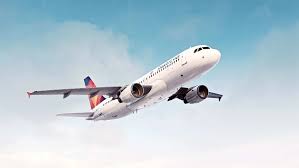

Sudden Groundings Ripple Through African Air Travel
The recent grounding of the Smart Lynx Airlines fleet has created notable disruptions in flight schedules across Africa. This event has affected airlines that rely heavily on wet-lease agreements, revealing the vulnerabilities inherent in such leasing partnerships. The operational turmoil has financial consequences and has sparked important discussions on risk mitigation and contract enforcement in the aviation sector.
Understanding the Smart Lynx Model and Its Vulnerabilities
Smart Lynx, based in Latvia, is recognized globally as a wet-lease provider, leasing aircraft along with crew to carriers worldwide. This business model offers flexibility for African airlines to boost capacity rapidly without the capital intensity of aircraft purchase. However, as Smart Lynx faces its own financial difficulties, the sudden suspension of its operations has demonstrated how fragile these arrangements can be when lessors run into payment or restructuring issues.
Financial Turmoil at Smart Lynx and Its Wide Impact
The parent company, Smart Lynx Latvia, has entered creditor protection amid growing financial pressures, forcing its entire fleet to be grounded. This shutdown extends beyond Latvia to subsidiaries in Estonia, Malta, Thailand, and Australia, thereby halting services over several continents. African airlines, especially those dependent on Smart Lynx aircraft, have faced immediate and drastic operational challenges, scrambling to adjust flight schedules and passenger itineraries.
Case Study: Air Peace’s Struggles Amid Fleet Withdrawals
Nigeria’s largest airline, Air Peace, illustrates the difficulties caused by Smart Lynx’s abrupt exit. The airline had leased four aircraft from Smart Lynx and made payments exceeding five million US dollars in advance. The unexpected withdrawal of these jets has not only disrupted Air Peace’s schedule but also caused widespread delays and cancellations, impacting thousands of travelers and damaging its competitive standing.
Financial and Operational Fallout
The estimated losses for Air Peace surpass 15 million US dollars when considering both direct costs and broader business effects. Notably, one Airbus A320 aircraft, registered ES-SAY, remains grounded in Lagos, held by Air Peace as leverage for a full refund. Such tense negotiations underscore the challenges airlines face when lessors falter unexpectedly.
Wider Lessons on Leasing Risks and Industry Response
This crisis reflects a larger pattern where aircraft repossessions occur due to the lessor’s financial defaults. Many African airlines rely on wet-lease contracts for seasonal flexibility and route expansion, but these agreements hinge on the lessor’s economic stability. The disruption has prompted carriers to rethink their reliance on single lessors and consider more diversified or even direct ownership options to bolster resilience.
Steps Toward More Robust Fleet Management
Industry actors are calling for enhanced due diligence before entering leasing contracts and for contingency plans to mitigate unexpected groundings. There’s growing momentum toward regional cooperation—considering joint leasing ventures or shared resources—to reduce dependence on external service providers. Additionally, investment in local maintenance and operational oversight tools is gaining attention as a way to increase fleet reliability.
Impact Beyond Airlines: Aviation Connectivity and Tourism
The grounding has implications extending beyond individual airlines to the broader travel and tourism sectors. Disruptions in connectivity between Africa, Europe, and Asia affect passenger movement and cargo logistics crucial for commerce and tourism growth. This situation highlights how financial instability in one company can reverberate across continents, emphasizing air transport’s vital role as a backbone of the tourism industry.
Outlook: Strategic Adjustments and Industry Evolution
Smart Lynx and its parent group, Avia Solutions Group, are undertaking restructuring, aiming to merge certain subsidiaries and divest troubled divisions. While some aircraft fleets remain active, the uncertainty fuels questions about the wet-lease market’s future stability. African airlines are likely to accelerate shifts toward resilient and flexible fleet strategies that combine diversity with reliability.
Key Industry Trends to Watch
- Reevaluation of leasing models with emphasis on risk management
- Strengthening regional partnerships and joint leasing initiatives
- Investment in local aviation infrastructure, including maintenance capabilities
- Adoption of digital monitoring tools for operational transparency
The Importance of Adaptability in African Aviation
The Smart Lynx fleet grounding is a stark reminder for the African travel and aviation industries about the need for adaptability, robust partnerships, and proactive planning. Maintaining strong supplier relations and anticipating global market changes are critical for sustainable growth in air connectivity—a key enabler of tourism, trade, and economic development across the continent.
Booking Travel and Experiences Amid Industry Changes
While industry reviews shed light on the state of affairs, nothing quite replaces experiencing travel firsthand. Platforms like GetExperience.com empower travelers to book their adventures confidently from verified providers, ensuring access to a broad spectrum of tours and experiences at transparent prices. The site offers the convenience of secure online payments with voucher confirmations and personalized requests tailored to individual preferences, making it easier than ever to discover and plan unique journeys even amid changing travel dynamics. Book now on GetExperience.com to explore the best offers worldwide.
Summary
The grounding of Smart Lynx’s fleet lays bare the operational and financial risks embedded in wet-lease arrangements, particularly affecting African airlines reliant on flexible fleet expansions. The resulting flight disruptions highlight the need for stringent risk assessments and the diversification of fleet sourcing and management. Importantly, the crisis underlines the interconnectedness of global aviation markets and their crucial role in supporting vibrant tourism and trade networks. As African carriers consider collaborations, infrastructure investments, and innovative management strategies, travelers stand to benefit from improved service resilience, accessibility, and a wider array of travel and adventure offerings—including safari tours, safari rafting trips for beginners, museum tours with live guides, luxury adventure travel experiences, and eco-friendly wildlife safaris—making air travel an essential pillar of contemporary tourism development.