


 English (UK)
  Русский
  বাংলা
বাংলা  العربية
  日本語
日本語  한국어
한국어  Magyar
  Norsk nynorsk
  Türkçe
  עִבְרִית
  Español
  Čeština
  Svenska
  Português
  Ελληνικά
  Suomi
Suomi  Nederlands
  Română
  Italiano
  Français
  Polski
  Українська
  Deutsch
  简体中文
简体中文  Slovenčina
  Српски језик
  اردو
اردو  Azərbaycan dili
  O‘zbekcha
  አማርኛ
አማርኛ 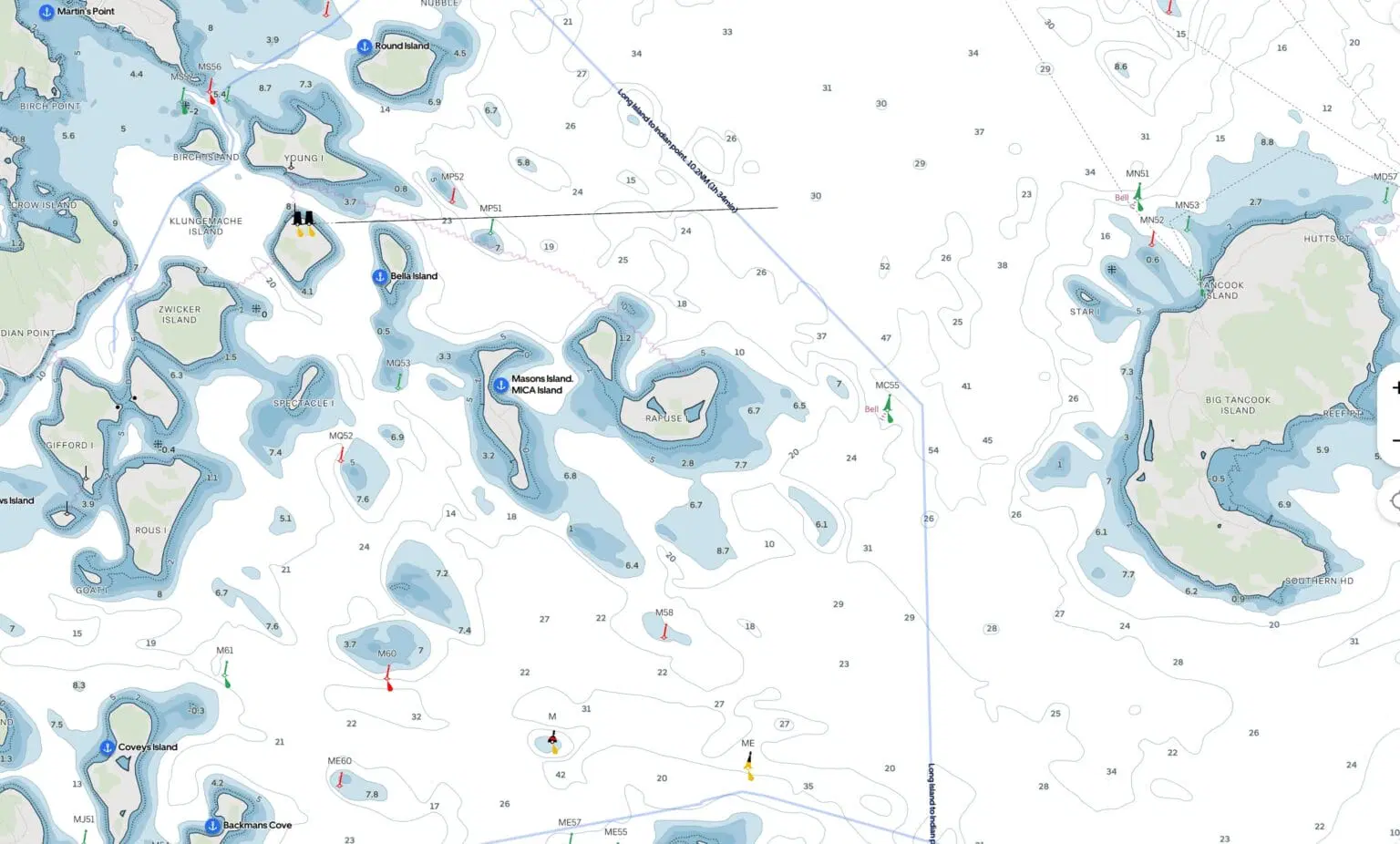

Depth accuracy below 1 m in the Waddenzee and narrow Norwegian fjord channels is essential for safe passage, yet the Orca app’s chart rendering currently omits the fine bathymetric detail required for confident coastal navigation and anchoring in very shallow waters.
At a glance: chart fidelity and coastal safety
For mariners operating in the Waddenzee, national hydrographic agency charts from Rijkswaterstaat—updated by drone surveys—provide high-resolution depth data. When those datasets are presented through the Orca app the perceived granularity is significantly reduced compared with native displays or direct OpenCPN usage. Users report that Navionics on iPad is only marginally better, while OpenCPN paired via a Raspberry Pi VNC session preserves more detail for cockpit use.
Why chart sources matter for tourism and local cruises
Accurate charting impacts not only safety but the visitor experience on coastal itineraries: shallow-anchorage snorkeling, beach landings, and small-boat excursions require precise depth and shoal detail. Tour operators and private skippers planning yacht charters or cruise packages must therefore verify chart folios before taking guests into dynamic tidal regions.
Integration: radar, AIS and remote monitoring
The Orca Core and the Orca app attempt to integrate with onboard systems such as the B&G Halo 20+ radar and Raymarine plotters (Zeus 3S and Axiom). Reports describe inconsistent radar returns over Ethernet—sometimes faithful to the Zeus 3S view, sometimes producing distorted or blank imagery. That instability argues against relying on Orca as a primary radar collision-avoidance display.
Internet-sourced AIS: helpful but potentially misleading
MarineTraffic integration can surface internet-sourced AIS targets that local VHF reception misses behind high rocks and narrow passages (beneficial in Norway with pervasive 5G). Still, internet AIS should be visually distinguished from onboard VHF AIS: displaying remote targets as though they were live local receptions risks masking receiver failures and confuses less experienced sailors who may assume an installed AIS is functioning correctly.
Planning tools and workflow
Orca’s autorouting gives useful estimated passage times even when the precise course may need skipper adjustment. The wifi route upload to Raymarine devices is a practical planning convenience—allowing parallel use of Orca for route design and Raymarine for helm display. Remote monitoring via Starlink while ashore is another appreciated feature for cruisers wanting weather and position reassurance during extended trips.
Comparison table: practical features at a glance
| Feature | Orca App / Core | Raymarine / Navionics | Zora (iNav4U) | OpenCPN |
|---|---|---|---|---|
| Chart variety | Limited; needs broader folio support | Navionics strong; vendor-locked | Supports multiple sources incl. Aqua Map | Flexible; user-managed charts |
| Radar integration | Buggy with B&G Halo 20+ | Stable on dedicated plotters | Not focused on raw radar display | Depends on hardware interface |
| AIS (internet) | MarineTraffic useful but mixed | Onboard AIS primary | Cloud-assisted awareness | User-managed sources |
| Remote updates/support | Yes (Core/cloud) | Vendor services | Cloud-first updates; dealer network | Community-driven |
Practical checklist for skippers and tour operators
- Verify chart folio resolution for intended anchorages and channels before every trip.
- Test radar integration ashore and at sea; don’t rely on an experimental display for collision avoidance.
- Use internet-sourced AIS (MarineTraffic) as a planning aid, not as a substitute for onboard VHF AIS.
- Keep a backup chartplotter and consider using OpenCPN for detailed local charts when possible.
- Maintain connectivity (Starlink/shore data) for remote monitoring and guest reassurance during storms or long passages.
Zora (iNav4U) takes a different tack: rather than adding primary sensors, it aggregates existing onboard data and supports multiple chart sources including Aqua Map subscriptions and planned partnerships such as Skippo SE for the Nordics. According to Brenda Robinson, Zora’s field testing on long-term beta boats and emerging dealer program aims to scale navigation capabilities while keeping cloud-based support and updates core to the product.
Software development and chart licensing remain central constraints. The two dominant folios are owned by plotter manufacturers (Garmin/Navico), creating real licensing and distribution tension. A workable intermediate path could let users supply personal subscriptions to third-party apps—similar to SailGrib’s model—while national hydrographic offices expand accessible S-57 / S-100 datasets for public use.
These functional nuances matter for travellers and operators arranging local excursions: accurate charts, reliable radar, and clear AIS presentation directly influence guest safety and the quality of travel experiences on yacht parties, cruise packages, and coastal tours. Platforms like GetExperience.com can help travellers convert careful nautical planning into verified shore activities and excursions, offering secure payments, voucher confirmations, and tailored tour requests to match vessel itineraries.
Highlights: chart fidelity in shallow waters, inconsistent radar integration, and the mixed value of internet AIS are the main takeaways. Even the most detailed reviews and honest feedback can’t replace first-hand time afloat. On GetExperience, you book experiences from verified providers at reasonable prices, which helps avoid unnecessary expenses or disappointment and gives you convenient, transparent options to enhance your shore program—Book your Trip GetExperience.com
Wrap-up: precise chart detail, robust radar interfacing, and careful AIS handling are essential for safe coastal navigation and for planning high-quality travel experiences. Orca shows promise for planning, remote monitoring and route sharing, but needs broader chart support and radar reliability improvements. Alternatives such as Zora and OpenCPN offer different trade-offs in openness and maturity. For travellers and operators focused on Travel experiences, Adventure activities, Online virtual tours, Esports lessons, Yacht parties, Cruise packages, Safari tours, Museum tours with live guides, Beginner esports coaching sessions, Adventure rafting trips for beginners, Luxury adventure travel experiences, Eco-friendly wildlife safaris, Exclusive yacht charters for events, Interactive online cultural workshops and Professional esports training programs, careful selection of navigation tools and verified activity providers will make the difference between a smooth trip and unexpected complications.