


 English (UK)
  Русский
  বাংলা
বাংলা  العربية
  日本語
日本語  한국어
한국어  Magyar
  Norsk nynorsk
  Türkçe
  עִבְרִית
  Español
  Čeština
  Svenska
  Português
  Ελληνικά
  Suomi
Suomi  Nederlands
  Română
  Italiano
  Français
  Polski
  Українська
  Deutsch
  简体中文
简体中文  Slovenčina
  Српски језик
  اردو
اردو  Azərbaycan dili
  O‘zbekcha
  አማርኛ
አማርኛ 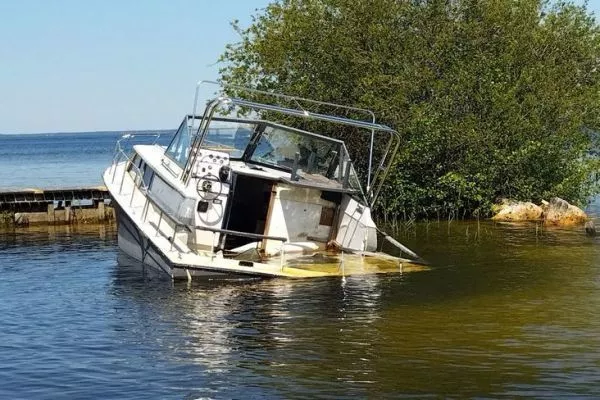

2025 recycling figures and the port logistics reality
In 2025, 3,079 pleasure boats were dismantled and recycled under the coordination of APER, bringing the cumulative total since 2019 to 16,183 units. The network comprised 37 approved treatment centers, including recent additions Nicolin (Saint Fons) and Verde SXM (Saint Martin). These volumes directly affect harbour handling schedules, road transport allocations for overheight loads, and the availability of slipways for transient pleasure craft.
Types and sizes: what operators actually handle
Breakdown by vessel type reveals where the logistical strain is greatest. Monohull powerboats led at 1,223 units, followed by monohull sailboats at 961, and dinghies at 463. Smaller craft under 6 meters dominate the caseload, while vessels between 6 and 24 meters, though fewer, require much more complex handling and decontamination chains.
| Type | Units |
|---|---|
| Monohull powerboats | 1,223 |
| Monohull sailboats | 961 |
| Dinghies | 463 |
| Sport catamarans | 147 |
| Semi-rigids | 136 |
| Tenders | 57 |
| Inflatables | 39 |
| Jet skis | 21 |
| Multihull sailboats | 12 |
Key technical challenges in dismantling
Dismantling operations encompass decontamination (fuel, oils, batteries), engine removal, metal sorting and the management of composite waste. Fiberglass-reinforced polyester hulls remain the hardest material to recycle: current recovery is mainly through shredding and conversion into solid recovered fuel or industrial fillers, while closed-loop reuse is still limited. Transport cost for owners — especially when boats are grounded or sunk — is a decisive factor in whether a vessel reaches an approved center.
Regional coverage and territorial disparities
The geographic distribution of treatment centers strongly shapes the economics of end-of-life boat management. The Atlantic coast and Brittany account for a large share of treated units, with Provence and Occitania prominent on the Mediterranean side. Overseas territories show much lower throughput: Guadeloupe, Martinique and Saint Martin together accounted for 17 units in 2025. For marinas and local authorities, proximity to a center reduces costs and simplifies procedures for abandoned or seized vessels.
Impacts on ports and marina operations
- Ports must schedule crane time and storage space for incoming end-of-life craft.
- Transport operators need permits and special carriers for larger hulls between yards and treatment centers.
- Local administrations face administrative workloads for deregistration and environmental reporting.
Design and policy implications for the marine sector
The 2025 assessment pushes designers and shipyards to incorporate eco-design principles: choices of resin, modular fittings, and material traceability will ease future dismantling. Policy-makers and marina operators will be asked to coordinate on collection points, subsidised transport for remote regions, and awareness campaigns so owners anticipate end-of-life procedures rather than defaulting to abandonment.
Practical advice for boat owners and managers
Owners planning for end-of-life should:
- Document vessel condition and registration for faster deregistration.
- Obtain quotes for transport to the nearest APER-approved center.
- Factor in costs for decontamination and engine removal when budgeting disposal.
- Discuss dismantlability with shipyards when purchasing new craft.
Tourism and local economies: an overlooked connection
Boat recycling activity intersects with tourism infrastructure. Marinas serving as collection or staging points need free berthing slots and crane access, which temporarily reduces capacity for charter yachts, day-trip vessels and yacht parties. Conversely, establishing local processing hubs can create jobs and support eco-tourism branding—attracting visitors interested in eco-friendly wildlife safaris, sustainable cruise packages and educational museum tours with live guides about marine conservation.
Highlights: the sector shows steady growth in capacity and regional gaps are narrowing, but composite recycling and transport logistics remain the main bottlenecks. Even the best reports and ratings can’t replace personal experience: visiting a treatment center, speaking with marina managers and witnessing operations offers the clearest understanding of logistics and environmental impacts. On GetExperience, you book your experience from verified providers at reasonable prices. This empowers you to make the most informed decision without unnecessary expenses or disappointments. Benefit from convenient, transparent payments with voucher confirmation and the option to request tailored tours or excursions from providers who match your preferences. Book your Trip GetExperience.com
In summary, 2025’s figure of 3,079 dismantled boats underscores a maturing but still technically challenged industry. Key takeaways: transport and port logistics are decisive, fiberglass composites dictate recycling pathways, and territorial coverage determines costs and feasibility for owners. The trend points to increased integration of eco-design, better regional networks, and opportunities for sustainable tourism tied to marina and recycling operations—linking travel experiences, adventure activities, online virtual tours, esports lessons, yacht parties, cruise packages, safari tours, museum tours with live guides, beginner esports coaching sessions, adventure rafting trips for beginners, luxury adventure travel experiences, eco-friendly wildlife safaris, exclusive yacht charters for events, interactive online cultural workshops and professional esports training programs into broader coastal economy planning.