


 English (UK)
  Русский
  বাংলা
বাংলা  العربية
  日本語
日本語  한국어
한국어  Magyar
  Norsk nynorsk
  Türkçe
  עִבְרִית
  Español
  Čeština
  Svenska
  Português
  Ελληνικά
  Suomi
Suomi  Nederlands
  Română
  Italiano
  Français
  Polski
  Українська
  Deutsch
  简体中文
简体中文  Slovenčina
  Српски језик
  اردو
اردو  Azərbaycan dili
  O‘zbekcha
  አማርኛ
አማርኛ 

Start with a concrete plan: buy a 7-day unlimited subway pass for about $33 and kick off your trip with a 2-hour walk from Times Square toward the river, using a waterfront route that puts you close to iconic sights. This approach keeps you energized and money-saving while you get oriented to the city’s rhythm.
From the waterfront at Battery Park to the view platforms around rockefeller center, you’ll see amazing contrasts in a single day. Skip heavy traffic by using the subway or walking instead of cars during rush hours, then pause at a 10-minute viewpoint along the High Line for perspective on skyline lines and street life.
When you dine, practice smart tipping: 15-20% in full-service places and less in quick service. Look for money-saving strategies: use a reusable water bottle, plan meals around lunch specials, and avoid overpriced tourist spots. Check menus and neighborhoods to find authentic eats that travel well between communities.
On a saturday, start with a stroll in Central Park, then move toward the waterfront for sunset. If you want a classic NYC snapshot, check out the ice rink at rockefeller center during christmas time. For music lovers, the louis armstrong house in queens offers a rewarding detour you can fit in before dinner.
Keep a flexible perspective by checking local news for practical tips about transit, events, and hours. learn the fastest routes with the OMNY app or station maps, and plan your return to the hotel along well-lit streets. taking small pauses in quiet yards between blocks helps you absorb the city’s texture without burning out.
From the airport to Manhattan: fastest and cheapest transit options
Recommendation: From JFK, AirTrain JFK to Jamaica, then the E train to Manhattan. 60–75 minutes total and about $11; this is the fastest and most affordable route for a first trip. You’ll ride mostly on rails, and the bright skyline view comes as you approach Midtown. It fits a stay near hotels and accommodation in central neighborhoods.
JFK options
- AirTrain JFK → Jamaica Station → E subway: 60–75 minutes; about $10.75 (AirTrain $8 + subway $2.75). Affordable, reliable, and weekends run strong. Great if you stay in Midtown or lower Manhattan.
- AirTrain JFK → Jamaica Station → LIRR to Penn Station: 35–45 minutes; total around $25–30. Faster door-to-door for some itineraries, worth it if you want fewer stops and carry-on only.
LGA options
- M60 SBS bus → 125th Street transfer to subway: 40–60 minutes; total fare about $2.75. The cheapest route into Manhattan, solid for most hotels along the main corridors.
- Taxi or rideshare: 25–45 minutes depending on traffic; about $30–50 (plus tolls). Fastest if you need door-to-door service with heavy bags or during late hours.
EWR options
- AirTrain Newark → NJ Transit to NYC Penn Station: 40–60 minutes; roughly $23–25 total. A good balance of speed and cost, reliable for late or early arrivals.
Extra tips
- Use OMNY or a MetroCard; transfers between bus and subway are usually included for that ride.
- Keep bags secure to avoid theft in busy stations; stay aware of your surroundings as you move.
- If your stay is near Campbell, these routes still connect you to top hotels and shops; they’re affordable and easy to navigate.
- Weekend service is solid, but check late-night schedules if you’re heading out after events or a stadium visit; plan for extra time if you’re heading to a confirmed show or the bright lights of Times Square.
Mastering NYC transit: subway rules, fare options, and ride etiquette
Get an OMNY tap-to-pay card or a 7-day unlimited MetroCard to ride the subway through your first week in the city; base fare is $2.75 per ride, and a 7-day pass is $34, which helps you move through popular routes without counting every ride.
Fare options include OMNY with contactless entry, Pay-Per-Ride on a MetroCard, and unlimited plans: 7 days for $34 and 30 days for $127. If youre looking to save time, load value online or at vending machines, and use Apple Pay, Google Pay, or a bank card with OMNY for hassle-free entry; this keeps travel affordable as you test multiple neighborhoods back-to-back.
Ride etiquette matters: let riders exit before you board, stand to the right on escalators, and keep doors clear. In cars, keep bags close to your body or on your lap, avoid loud conversations, and use sit-down seats when you can to help others. If youre new to the city, locals called the network the city’s lifeline. Over the years, opinions differ on what feels right, but these basics help everyone move efficiently. Platforms can feel like acres during rush hours; if you need to stretch, do so without crowding others.
Planning helps: many guides offer guided routes that connect you with popular sites, from williamsburg to whitney and hamilton venues, and to iconic city spots. If youre heading out late, rideshares provide a safe option, but theyre more expensive after midnight due to traffic and surge pricing, so weigh cost against transit reliability.
Photographs and photo etiquette: take a photo with permission when someone appears in a shot; avoid blocking doors or entrances, keep the shutter quiet on crowded cars, and use a compact lens. Famous stations like Grand Central and the elevated lines in williamsburg offer great angles; you can capture incredible experiences, assisted by calm crowds and good light. Dress for comfort with compact bags and sturdy shoes so you can hop on and off trains quickly during your exploring.
Where to stay on a budget: neighborhoods, prices, and safety
Stay in Astoria, Queens, for the best balance of price and transit access. You’ll find budget hotels and hostels from about $70 to $150 per night, with easy subway connections to Manhattan in roughly 20–30 minutes via the N, W, or 7 trains. In Long Island City, prices are similar, and you’ll often get modern, compact rooms within reach of the Empire State Building and the skyline, tall and bright. If you’re visiting from england, plan to land at JFK or Newark and ride the subway to your stay. Here, compare prices across nights to maximize savings. Move like a rabbit between options to spot a deal that fits your dates. Then follow this advice for staying safe and saving time on your first nights.
Best budget neighborhoods
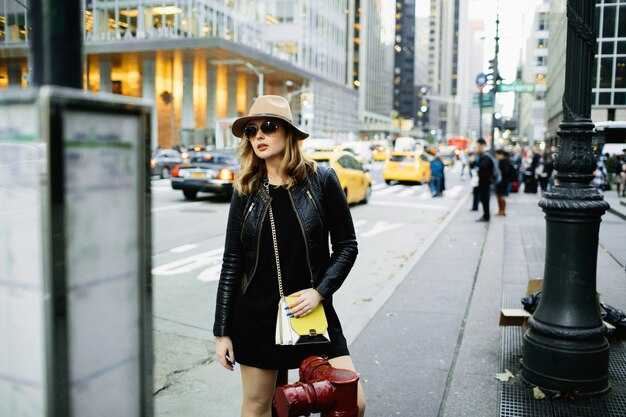
Astoria and Long Island City sit along the waterfront and offer strong transit options, with nights generally from $70 to $150. Harlem, Crown Heights, and Bay Ridge in Brooklyn give similar value and fast access to multiple subway lines. In Chelsea, budget stays exist as specials or boutique hostels, but prices tend to be higher; look for midweek deals and promos that accept cards. Having enough space matters, so seek rooms that provide storage and comfortable beds. These options span boroughs across Queens, Manhattan, and Brooklyn, giving you easy access to the skyline and waterfront, and a chance to be bright during the day and tall in the evenings. These options are suggested by many travelers.
Safety and practical tips
Stay safe with practical tips: choose areas with reliable transit and daytime activity; along the waterfront you’ll find bright, busy streets and shorter trips to landmarks. Avoid isolated blocks after hours; plan routes via major avenues with plenty of people. Having travel insurance that covers health and delays is smart, and keep two cards for payments in case one declines. Check subway hours and plan ahead for last trains; use licensed cabs or rideshares in unfamiliar areas. At stations, know when the ticket booth opens so you can get help if needed. Be wary of unofficial sellers and avoid them; rely on official staff. One thing to note: NYC offers exciting possibilities every night, yet staying in well-lit routes near the main lines helps you relax after nights out.
Budget meals and dining hacks: where to eat well without overspending
Choose a neighborhood day: head to Queens or Harlem for lunch where a halal cart plate or falafel bowl runs about 7–9 USD, and cap the meal with a 2-slice pizza for under 6 USD. For breakfast, bagels with cream cheese stay around 2–4 USD. This simple plan keeps you fed well and under budget for daily meals, with room to explore on your own terms.
Look for food halls and casual markets with listed discounts and a broad range of vendors. In many spots you’ll find coney sausage options as well as bowls from europe-inspired vendors. Expect prices around 8–12 USD for bowls, 5–8 USD for small plates, and drinks 2–4 USD. Carry a reusable water bottle to avoid pricey beverages, especially in humidity. If you’re coming with a group, booked seats help you secure a table and keep the plan flexible for a weekend crowd. You can sail between neighborhoods by the subway to compare flavors and keep costs down.
Ask locals for favorites and avoid long lines near tourist spots. For visiting with family, choose casual spots that accommodate groups and offer kids’ options. Look for places that listed discounts for students or seniors, and check museum admission offers or bundles that pair lunch with a must-see exhibit. Immigrants built the city, and their stories show up in the flavors you’ll find around every corner. You arent forced to stay on the beaten path; you can sail between neighborhoods, chasing new tastes ahead for the coming weekend and season.
Smart spots to eat on a budget
Reliable budget options include bagel shops, bodegas, and street carts. Bagel with cream cheese typically 2-4 USD, a single slice of pizza 1.5-3 USD, a falafel plate 7-9 USD, and a gyro plate 8-11 USD. In neighborhoods like Astoria, Flushing, and the Lower East Side you’ll find regular spots that locals love, with portions that satisfy family appetites. Look for dedicated, family-run places that offer discounts during weekend lunch hours; if you’re hungry after a show or a must-see attraction, you’ll often find late-night deals and down pricing on smaller plates.
Practical hacks to save on meals:
Plan ahead: choose accommodation near transit to cut travel, and likely save on rides. Pack a small cooler or snacks for long museum days; many admission programs include lunch deals when you’re visiting with a family. Use apps that show discounts in listed neighborhoods and ask office staff for favorites. On this weekend, look for coming specials and free sample bites from vendors. Stay safe in hot, humid days by pacing meals and staying hydrated–your budget will thank you, and you’ll have energy to explore more than a single must-see spot. This needn’t break your budget.
Money-saving passes and discounts: NYC Pass, CityPASS, and independent deals
Recommendation: If you’re going to three or more paid sites in 2–4 days, opt for a multi-attraction pass rather than buying tickets individually. NYC Pass or CityPASS often saves money and speeds entry, especially when you map out visits to museums, observatories, and tours. Check the exact list and price on the official site, and compare with independent deals found on getyourguide; book only what you’ll actually use and think through your hour-by-hour plan. If you booked several attractions, run the numbers to see whether a pass still pays off. The built-in calendar helps you explore efficiently, and you’ll carry one card or a pair of cards instead of juggling separate tickets. Carry a couple of bottles, and plan a route through ancient streets and nearby green-wood areas to maximize a single pass. A practical reason to choose a pass is to limit lines and keep your day flexible; this approach is a highlight for urban travelers who want to see more without hassle. This move works even if the weather shifts, and you’ll still find a wonderful way to enjoy the city.
How they work
These passes are duration-based and site-limited: you buy for 2–5 days and gain access to a fixed list of attractions. You arrive at each site, show the card (mobile or printed) at the booth, and your entry is counted toward the included visits. Availability can vary by season and hour, and some venues require timed-entry, so plan ahead. If a site doesn’t accept the pass on a given day, you can adjust your route without penalty. The pass doesnt lock you into a rigid timetable; you can reshuffle activities as you go. The heading on each listing confirms exactly which attractions are included and whether a reservation is required. Insurance or add-ons are sometimes available; review the details on the site to stay informed.
Smart buying tips
Shop around on the official site and on getyourguide for independent deals; news about price drops or new inclusions appears regularly, so recheck before you buy. If you’re going near green-wood or other neighborhoods, a pass can cover key museums and parks, giving you a safe, compact plan. Look for cards with built-in extras, a built-in calendar, and a smooth booth experience; check availability for the exact day you want to go. Compare two or three options, then buy only when the total is less than paying site-by-site. If you see a wonderful offer, book it quickly because availability can vanish and you don’t want to miss out. If you have insurance through your travel plan, verify it covers activities in NYC and that it doesnt leave anything to chance.