


 English (UK)
  Русский
  বাংলা
বাংলা  العربية
  日本語
日本語  한국어
한국어  Magyar
  Norsk nynorsk
  Türkçe
  עִבְרִית
  Español
  Čeština
  Svenska
  Português
  Ελληνικά
  Suomi
Suomi  Nederlands
  Română
  Italiano
  Français
  Polski
  Українська
  Deutsch
  简体中文
简体中文  Slovenčina
  Српски језик
  اردو
اردو  Azərbaycan dili
  O‘zbekcha
  አማርኛ
አማርኛ 
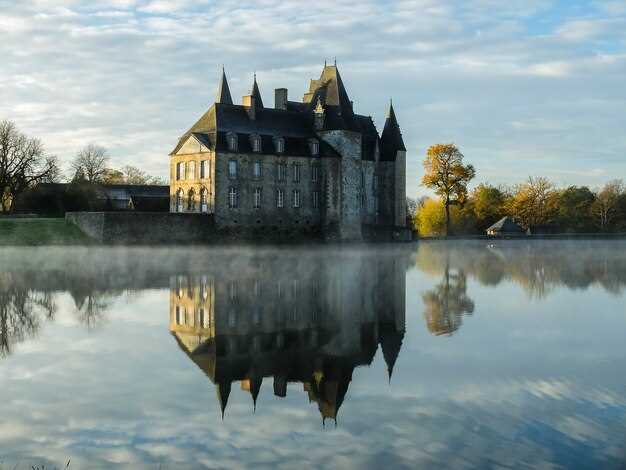
Visiting Muiderslot Castle, located just a short distance from Amsterdam, offers an important glimpse into the past. This picturesque fortress, once home to knights and their noble families, has stood the test of time, preserving the rich history of the 17th century. As you walk through its vast courtyard and explore the various towers, you will find that each corner of the castle tells a story, making it an ideal destination for those planning to delve deeper into the Netherlands’ architectural heritage.
On your journey through the castle, you’ll encounter a collection of fascinating artifacts, from suits of armor to beautifully crafted furniture. The castle’s gardens, kept lush and vibrant by dedicated caretakers, feature a variety of flowers and trees, creating a stunning backdrop for your exploration. During your visit, there is much to see and do, whether you decide to take a guided tour or explore the grounds at your own pace. Keep an eye on the clock, as the castle opens its doors to visitors year-round, with each month bringing its own unique events and activities.
The rich history of Muiderslot is deeply intertwined with the society that surrounded it. Both local lore and historical documentation contribute to the allure of this ancient structure. From the formidable dungeon where prisoners were kept to the grand fireplace that once warmed the hearts of many, every experience at the castle will leave you captivated. As you meander through its halls, even the most skeptical of historians will find themselves caught up in the stories that have echoed through these walls for centuries. Regardless of the weather, that timeless journey down the corridors of history must not be missed.
Historical Significance and Background
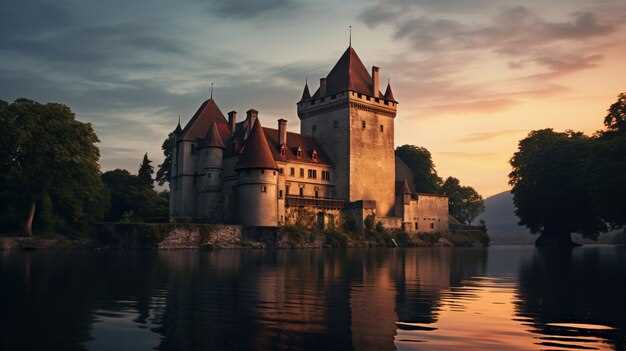
Muiderslot Castle, a stunning example of Dutch medieval architecture, has played a pivotal role in the history of the region. Built in the late 13th century by the Count of Holland, this fortress was originally designed to protect the area from potential attacks by enemies. Each stone of the castle tells a story of the past, as it has been part of numerous historical events over the centuries. The architectural features, from the huge windows to the imposing gate, showcase the skill of artists and builders of that era, making it a significant landmark in Dutch history.
In its early days, Muiderslot served as a royal residence where prominent figures like P.C. Hooft lived. The castle was at the heart of social activities, hosting gatherings that included artists and intellectuals. These gatherings were crucial in shaping Dutch culture during the Renaissance. The fireplace in the main room often became the center of discussions, where ideas would be exchanged, nurturing creativity and artistic pursuits. It is no wonder that many visitors, while wandering through the rooms today, stop to admire the depictions of these vibrant historical moments.
Over the years, Muiderslot has undergone several renovations to preserve its structure and significance. After being abandoned for a period, it was brought back to life by the renowned architect and artist, Heller, who envisioned a future where the castle would not only serve as a museum but also as a symbol of the region’s rich heritage. The museum now offers various exhibitions and activities for visitors, showcasing items that reflect the lifestyle and culture of the time, providing insight into what life was like inside its walls.
| Historical Events | Years |
|---|---|
| Construction of Muiderslot | 1280 |
| Royal residence and cultural gatherings | 1600s |
| Renovation by architect Heller | 1895 |
| Transformation into a museum | 1975 |
Visiting Muiderslot today is not just about exploring a castle; it is about engaging with a living piece of history. Whether you decide to take a guided tour or wander freely through the castle grounds, you will discover the layers of history that have shaped this beautiful site. The castle stands as a testament to the resilience of its structure and the important events that have occurred around it, making it a must-see destination in any trip to the Amsterdam area.
Origins of Muiderslot Castle
Muiderslot Castle, a stunning structure that rose above the picturesque landscape of the town of Muiden, was originally built in the 13th century. This magnificent castle, with its distinctive towers and beautiful gardens, served as a strategic fortification for the surrounding lands. The first recorded mention of the castle dates back to 1280 when it was established by Count Floris V of Holland, whose vision transformed a simple fortress into a symbol of power and prestige.
The castle was not only an essential military outpost but also a residence for the nobility. Over the years, it evolved into a vibrant center of activity for the elite, where gatherings and celebrations were commonplace. Groups of artists and intellectuals, like the Muiderkring, were often invited to the gardens, enriching the cultural ambiance of the castle with their presence. This legacy of artistry and intellectual pursuit is something that allows modern visitors to connect with the rich history of the site.
Throughout the centuries, the Muiderslot underwent several transformations. In the 15th century, a significant restoration took place, reinforcing its structure to withstand the challenges of warfare and time. The original layout was preserved, with a focus on enhancing the aesthetic appeal of the castle’s architecture. Visitors today can admire the beautifully restored windows and walls, which provide a glimpse into the stunning craftsmanship of the era.
Historical records indicate that in the late Middle Ages, the importance of Muiderslot grew as a center for trade and governance surrounding the Zuiderzee, a crucial waterway at the time. The castle’s strategic placement allowed it to control transport and trade routes effectively. As a result, Muiden became a bustling town, and the castle functioned like a guardian over the economic activities that flourished in the area.
Today, Muiderslot Castle stands as a symbol of Dutch heritage and its fascinating past. Visitors can take a trip to explore not only the castle itself but also its surrounding gardens, which are meticulously maintained. The scenic views, combined with the historical significance of Muiderslot, create an enchanting atmosphere that captures the imagination of all who wander through its grounds.
Open to the public, Muiderslot welcomes thousands of visitors each year. Tickets can be purchased in advance to avoid long waits, allowing guests more time to immerse themselves in the history. Audio guides are available, offering insights into the castle’s past and its role in shaping the region. This makes each visit a unique experience filled with stories of knighthood, art, and culture.
The journey to Muiderslot Castle can be made enjoyable with a scenic ride from nearby cities like Amsterdam or Weesp. This accessibility has allowed it to remain a popular holiday destination for both locals and tourists alike. The enormous collection of artifacts within its walls, along with the surrounding gardens, provides a perfect backdrop for photographs and creates lasting memories for those who explore this historical treasure.
Role in Dutch History
Muiderslot Castle, originally built in the late 13th century, has played a significant role in shaping Dutch history. Its strategic location along the route to the Zuiderzee allowed it to serve as a vital stronghold, defending the surrounding areas during turbulent times. This function kept it at the heart of societal developments and military conflicts during the Middle Ages.
Dutch society shifted dramatically in the 17th century, and Muiderslot was no exception to these changes. The castle, which had initially been constructed for military defense, evolved into a residence that reflected the wealth and influence of the local nobility. Visitors can admire the splendid interior that showcases artwork and furniture from this prosperous period, making the experience worth the ticket.
During its history, the castle was more than just a fortress; it served as a haven for many notable figures. One of its famous inhabitants was the poet and playwright Pieter Corneliszoon Hooft, who lived there during the early 17th century. His legacy is felt within the castle’s walls, and it draws visitors who wish to connect with the cultural heritage that flourished in this setting.
As you wander through the courtyard and take in the majestic sight of the towers, it’s easy to imagine life during the castle’s prime. Children and adults alike find joy in exploring the nooks and crannies, marveling at the ancient staircase that heads up to the towers. Though these elements have remained intact, the castle does not feel like a relic of the past; it vibrates with stories and experiences that create a link to its storied history.
While Muiderslot primarily functions as a museum today, it continues to serve educational purposes, providing insights into the daily life of its past residents. Workshops and tours take place regularly, ensuring that new generations learn about the importance of this structure. The various rooms highlight aspects of medieval life, from the way vegetables were grown to the conditions in which prisoners were kept.
Visitors can count on a rewarding experience, rain or shine, with events scheduled throughout the year, especially during October when special tours are organized. The enthusiastic guides share fascinating tales and lesser-known anecdotes, ensuring that every tour feels fresh and engaging. Groups are often encouraged to book in advance to enjoy a personalized experience tailored to their interests.
For those who find themselves near Weesp, Muiderslot Castle should certainly be on your itinerary. Just a short flight of stairs away from the crowded attractions of Amsterdam, it holds a special place within the hearts of locals and tourists alike. Each visit not only offers a glimpse into the past but also nurtures an appreciation for the historical significance that has made the Netherlands what it is today.
Muiderslot Castle truly serves as a lasting symbol of the Dutch spirit, intertwining personal stories, cultural heritage, and architectural grandeur. It remains an essential stop for those eager to understand the evolution of Dutch society. The stories told within its walls keep the legacy alive, allowing both locals and visitors to engage with the rich tapestry of the nation’s history like never before.