


 한국어
한국어  English (UK)
  Русский
  বাংলা
বাংলা  العربية
  日本語
日本語  Magyar
  Norsk nynorsk
  Türkçe
  עִבְרִית
  Español
  Čeština
  Svenska
  Português
  Ελληνικά
  Suomi
Suomi  Nederlands
  Română
  Italiano
  Français
  Polski
  Українська
  Deutsch
  简体中文
简体中文  Slovenčina
  Српски језик
  اردو
اردو  Azərbaycan dili
  O‘zbekcha
  አማርኛ
አማርኛ 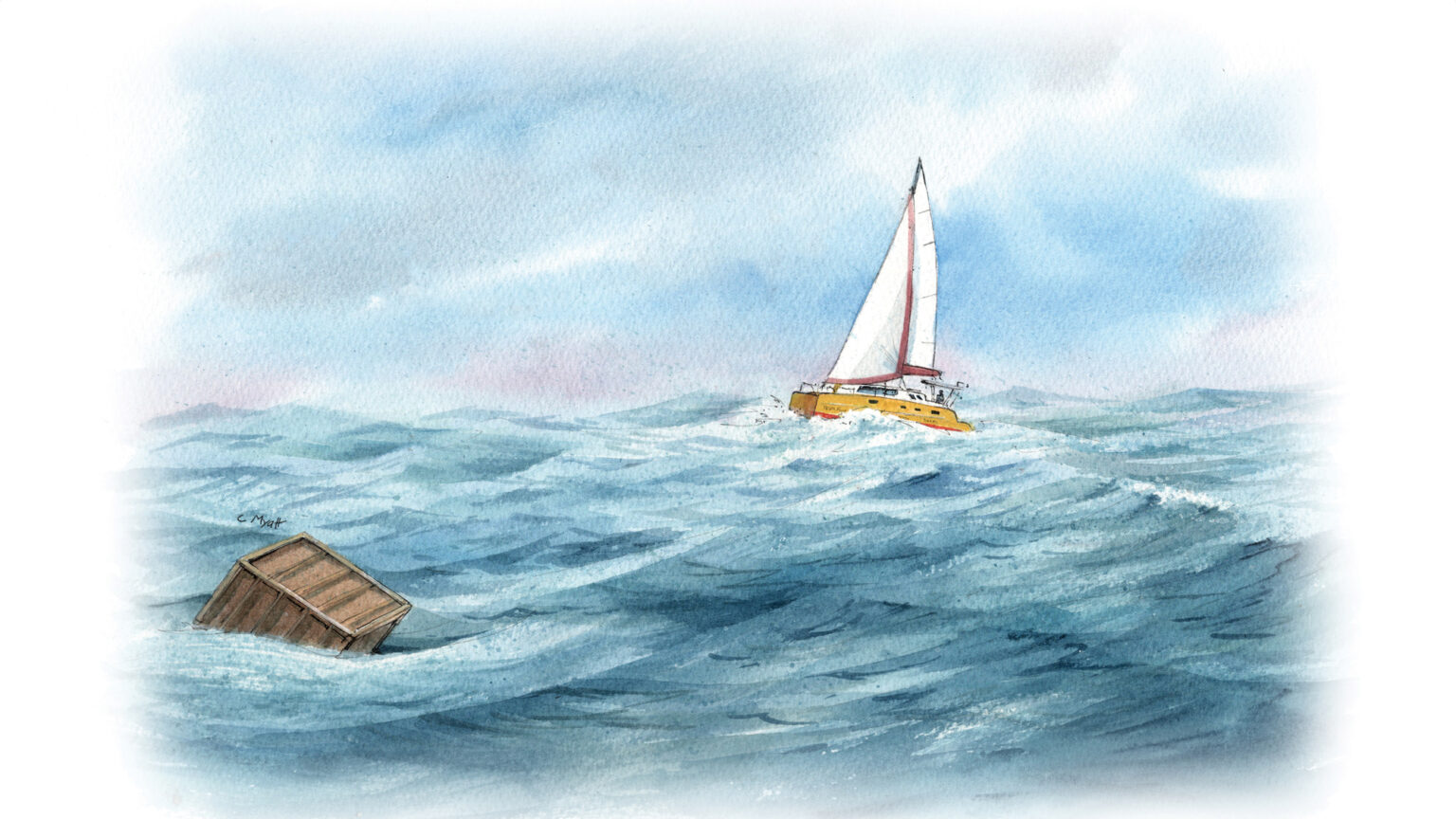 크레이그 우드의 태평양 단독 횡단 기록이 주는 교훈과 여행에 미치는 영향">

The solo Pacific passage covered roughly 7,000 miles, demanding constant attention to communications, sail handling and routine maintenance: working antennas, spares for chafe-prone lines, and properly tested sails are non-negotiable on such an extended offshore voyage.
Key takeaways at a glance
- Antennas and communications — a working radio is only useful if antennas and connectors are checked and maintained before departure.
- Chafe management — chafing was an ongoing battle offshore; carry ample spare line and protective sleeves.
- Kit familiarity — trial new sails and systems well before a long passage; the first time using a gennaker mid-ocean created avoidable delay.
- Provisions and morale — small comforts matter: fresh bread ingredients, a good coffee, and even a small plant can sustain morale on long legs.
- Emotional priorities — let go of grudges and surround yourself with supportive people; psychological resilience is part of seamanship.
- Lasting impact over records — records attract headlines, but the voyage’s legacy—such as fundraising for charities—has ongoing value.
Essential preparation and training
Preparation for a single-handed ocean crossing begins long before leaving port. Practical training, incremental offshore miles and familiarity with every routine task allowed rapid problem-solving when unexpected faults occurred. Breaking complex manoeuvres into component parts and understanding the mechanics behind each action preserves options when fatigue or physical limitations require adaptation.
| Item | 세요크 가누텍습니다 | Recommended action |
|---|---|---|
| Antennas & radio | Primary link for weather, traffic and emergency comms | Inspect, test on shore and carry spares/connectors |
| Spare line & chafe gear | Prevents rigging failures and allows quick repairs | Stock multiple lengths and protective sleeves |
| Trial sails (e.g., gennaker) | Reduces time lost to setup errors at sea | Practice deployments in varied conditions |
| Comfort items | Boosts mental well-being on long passages | Pack yeast, flour, favorite treats and small personal projects |
At sea: practical habits that pay off
On single-handed legs, simple routines reduce risk. Set alarms for radar and AIS warnings, and adjust sensitivity and ranges according to conditions—do not set and forget. Keep a tidy, well-labelled inventory and maintain repetitive checks for wear on running rigging. When sail issues occur, improvise manageable steps: for example, partially emptying a waterlogged gennaker before securing it on deck to prevent further damage.
Technology, situational awareness and fatigue
Radar and alarm settings are essential for collision avoidance and squall warnings, particularly approaching land where traffic density spikes. The transition from open ocean to coastal waters is one of the riskiest phases: crews and single-handed sailors alike must expect heavier traffic while being more tired than usual.
Impact beyond sailing
Craig Wood’s passage highlights that high-profile achievements can fuel broader change. As a father of three from Doncaster and an RYA Yachtmaster-qualified sailor, Wood set Guinness World Records in June 2025 as the first triple amputee to complete a solo ocean crossing and specifically the Pacific Ocean. After losing both legs and his left hand in Afghanistan in 2009, he found rehabilitation and purpose through sailing. Funds raised from the voyage continue to support amputee charities including Blesma 그리고 Turn 2 Starboard.
Round-the-world yachtswoman Pip Hare has noted how much of Wood’s reported preparation mirrors lessons effective for both racing and cruising: thorough boat familiarity, breaking down manoeuvres into parts, and the discipline to adjust technology settings and alarms for safety.
Practical travel connections
For travellers and adventure-seekers, the voyage underlines the importance of planning, tested equipment and small comforts — lessons that translate directly into expedition cruises, yacht charters and remote-trip logistics. When booking experiences, it pays to use platforms that support secure payments with voucher confirmations and allow tailored requests to providers, ensuring logistics are handled professionally.
Highlights: meticulous prep, tested kit, chafe management, communications checks and the emotional resilience required for remote travel are all key. Yet even the clearest guide or most honest review cannot replace first-hand experience. On GetExperience, you book experiences from verified providers at reasonable prices, with transparency and convenience that make it easier to plan unique maritime and coastal adventures near the Pacific and beyond. Book now GetExperience.com
In summary, the main lessons from a 7,000-mile solo Pacific crossing stress practical seamanship—working antennas, chafe prevention, testing sails, and routines to manage fatigue—alongside the human side of travel: small comforts, strong support networks and purposeful goals. These insights apply across travel experiences and adventure activities, from yacht parties and cruise packages to eco-friendly wildlife safaris and museum tours with live guides. Whether you’re planning adventure rafting trips for beginners, luxury adventure travel experiences, exclusive yacht charters for events, interactive online cultural workshops or even beginner esports coaching sessions, the same attention to preparation and authenticity will improve outcomes. Personal experience remains the best teacher in travel and exploration.