


 한국어
한국어  English (UK)
  Русский
  বাংলা
বাংলা  العربية
  日本語
日本語  Magyar
  Norsk nynorsk
  Türkçe
  עִבְרִית
  Español
  Čeština
  Svenska
  Português
  Ελληνικά
  Suomi
Suomi  Nederlands
  Română
  Italiano
  Français
  Polski
  Українська
  Deutsch
  简体中文
简体中文  Slovenčina
  Српски језик
  اردو
اردو  Azərbaycan dili
  O‘zbekcha
  አማርኛ
አማርኛ 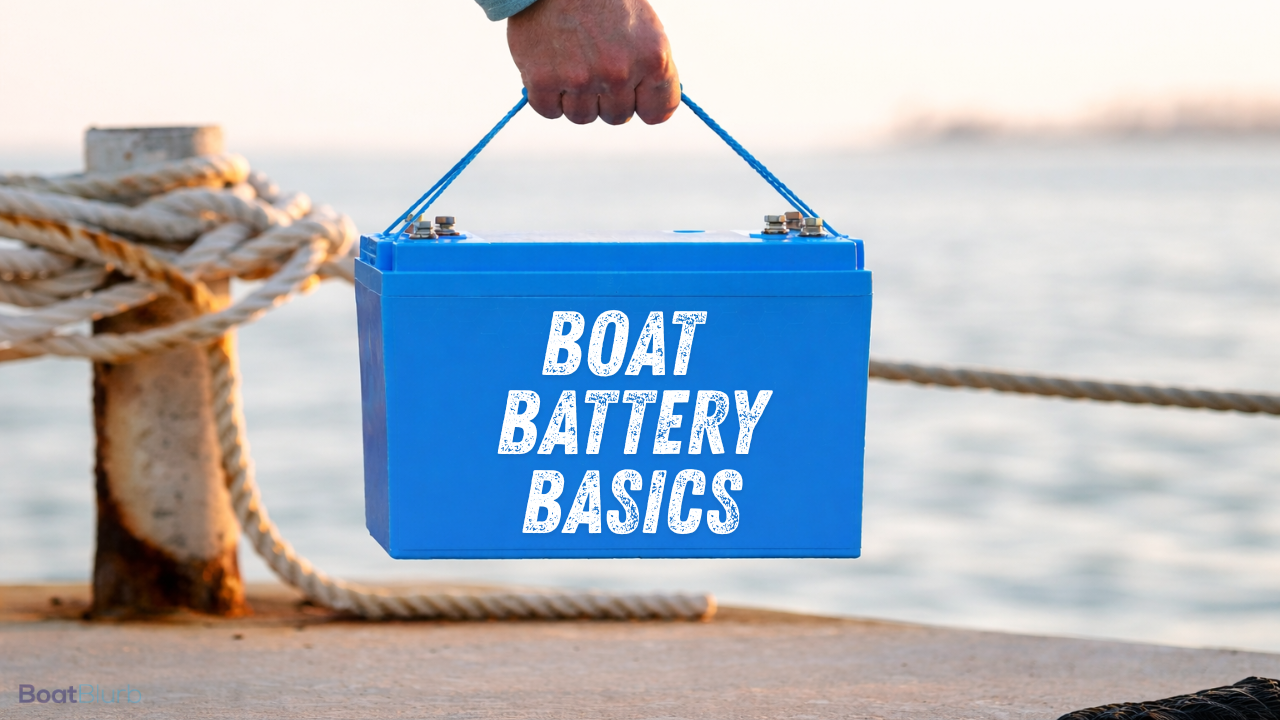 안전한 항해를 위한 보트 배터리 테스트, 배선 및 유지보수의 필수 단계">

Most recreational and commercial vessels rely on a 12V DC architecture where a fully charged battery should read about 12.6 volts at rest and hold that under load; failure to meet this benchmark or to have overcurrent protection at each conductor is a leading cause of onboard electrical incidents and service disruptions for charter and tour operators.
Pre‑installation checks at a glance
Before any connection is made, perform a systematic inspection of the battery and its mounting. Use a multimeter or load tester to confirm the terminal voltage and behaviour under load. For batteries with built‑in management systems, check the BMS indicators rather than relying on visual inspection alone.
- 전압 target: 12.6 V minimum at rest for a single 12V battery.
- 로드 behaviour: voltage should not collapse under engine cranking or accessory demand.
- 물리적인 condition: clean terminals, intact terminal boots, secure tray or box.
- 제조업체 checks: for lithium variants, consult the manufacturer for any specific service indicators or state‑of‑charge diagnostics.
Testing tools and quick diagnostics
A digital multimeter and an affordable load tester cover most marine checks. If a battery fails a load test or shows rapid voltage decline, tag it for service or replacement. Always label batteries with 긍정적인 그리고 부정. terminals to avoid confusion during wiring and maintenance.
Connections, wiring setups, and protection
Plan your wiring with the end use in mind: 입문자 batteries (cranking) must be isolated from house batteries (electronics, refrigeration, lights) unless a manufacturer‑approved combiner or isolator is in place. Series and parallel wiring impact voltage and capacity—series to increase voltage, parallel to add amp‑hours—and must be executed with matched batteries and equal cable runs.
Overcurrent protection and torque specs
Every wire that could carry fault current must have a fuse or breaker sized to protect the conductor and connected equipment. After final connections, torque battery terminal nuts to the manufacturer’s specification—under‑torque invites resistance heating; over‑torque can damage posts and sealing.
Practical checklist for wiring
- Map circuits and label cables (Start vs House).
- Install fuses/breakers at the battery source for each run.
- Match battery types and ages when wiring in parallel or series.
- Use marine‑grade terminals and corrosion protection on exposed connections.
| 배터리 종류 | Pros | Maintenance Notes |
|---|---|---|
| Flooded Lead‑Acid | Cost‑effective, tolerant of abuse | Check electrolyte, venting required, periodic equalization |
| AGM/Gel | Low maintenance, spill‑resistant | Avoid overcharge; use charger profiles for sealed batteries |
| Lithium‑ion | Lightweight, high cycle life | Monitor BMS status, follow manufacturer charge settings |
Securing batteries and ventilation
Secure batteries in a dedicated tray or box with straps or brackets rated for vessel motion and vibration. Ensure adequate ventilation for venting cells (especially flooded lead‑acid), and keep rubber terminal boots in place to prevent accidental shorts. Loose batteries are a safety hazard and a liability for rental or charter operations.
Charger settings and routine maintenance
Verify charger settings match battery chemistry—voltage, absorption time, and float level differ between flooded, AGM, and lithium types. Regularly inspect terminals for corrosion, replace damaged wiring or terminals, and retest batteries during pre‑departure checks. For operators of yachts, dive boats, or charter vessels, a simple pre‑trip checklist prevents numerous service calls.
Operational considerations for tourism and charter services
Battery performance directly affects guest experience on yacht parties, cruise tenders, and sightseeing vessels. Poorly maintained batteries can cancel excursions or create safety issues on night trips and remote island transfers; tour operators should have redundancy and clear maintenance logs to reassure customers and regulators.
Key takeaways and best practices: always test batteries before connecting, clean and protect terminals, clearly label polarity, ensure overcurrent protection, torque to spec, secure the battery in its case, and set chargers correctly for the battery chemistry. Even the most detailed reviews or spec sheets cannot replace first‑hand testing and on‑water trials. On GetExperience, you book your experience from verified providers at reasonable prices. This empowers you to make the most informed decision without unnecessary expenses or disappointments. Benefit from convenience, affordability, and a wide range of extra options when planning marine excursions—Book now GetExperience.com
In summary, reliable marine battery practice combines proper testing, careful wiring, and scheduled 유지보수. These measures keep starters responsive, house systems operational, and charter itineraries on time. For travellers and operators alike, good battery care supports better travel experiences, safer adventure activities, yacht parties, cruise packages, safari tours associated shore transfers, museum tours with live guides on coastal ship calls, interactive online cultural workshops pre‑trip briefings, and even luxury adventure travel experiences. Whether you’re preparing for beginner esports coaching sessions while offshore or booking exclusive yacht charters for events, these basics make the difference between smooth sailing and unpleasant surprises.