


 한국어
한국어  English (UK)
  Русский
  বাংলা
বাংলা  العربية
  日本語
日本語  Magyar
  Norsk nynorsk
  Türkçe
  עִבְרִית
  Español
  Čeština
  Svenska
  Português
  Ελληνικά
  Suomi
Suomi  Nederlands
  Română
  Italiano
  Français
  Polski
  Українська
  Deutsch
  简体中文
简体中文  Slovenčina
  Српски језик
  اردو
اردو  Azərbaycan dili
  O‘zbekcha
  አማርኛ
አማርኛ 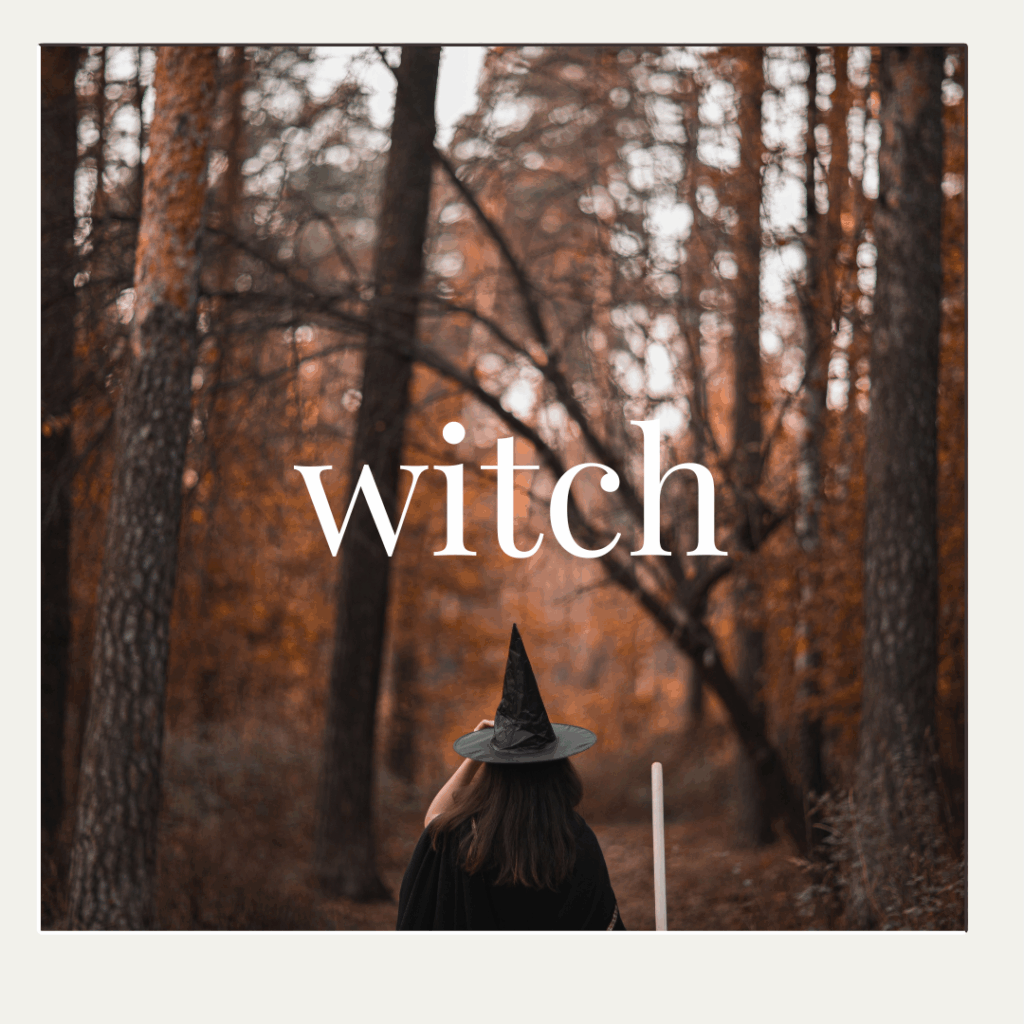 ‘마녀’의 진화 — 역사적 재판과 여성 권력의 현대적 회복">

A Haunting History: Witch Trials in Exeter and Beyond
At a glance, the term 마녀 carries heavy historical luggage tied to centuries of fear and injustice, especially toward women. One stark reminder is found in Exeter, where the final public executions for witchcraft in England took place in 1682. These trials, involving Temperance Lloyd, Susannah Edwards, and Mary Trembles, close a dark chapter underscored by misogyny and societal panic over female autonomy.
These women’s tragic fate reflects a time when the notion of a 마녀 wasn’t merely folklore but a powerful social weapon. This panic was entwined with relentless anxiety about women stepping outside patriarchal norms. Female independence — whether economic, sexual, or spiritual — was branded dangerous. Thus, the label of witch became synonymous with rebellion against expected roles of purity, submission, and domestic conformity.
The Symbolism and Fear Surrounding Witchcraft
The image of the 마녀 was amplified during shifts like the Protestant Reformation and the Catholic Inquisition, which viewed witchcraft as heresy deserving death. These periods fabricated lurid tales of witches engaging in deviant acts with the devil, feeding a deep-rooted fear of women who rejected traditional domestic roles.
Interestingly, even everyday symbols were twisted: the broomstick, once a simple domestic tool, was sexualized and demonized as a symbol of female freedom and escape from patriarchal control. This metaphor aptly captures how the concept of witchcraft unveiled society’s anxiety about women who refused to be boxed in.
The Social Dynamics of Witch Accusations
History shows that accusations largely targeted women outside the mainstream—unmarried or widowed women, those who were economically independent or outspoken. In this way, witchcraft accusations acted as social control, reinforcing strict gender hierarchies and suppressing female knowledge and autonomy.
| Accused Category | Reason for Accusation | Societal Fear Reflected |
|---|---|---|
| Unmarried or Widowed Women | Outside patriarchal family structures | Fear of uncontrolled female independence |
| Economically Independent Women | Threat to male economic dominance | Anxiety over female self-sufficiency |
| Outspoken or Sexually Autonomous Women | Defying gendered expectations | Fear of breaking social and moral boundaries |
Witchcraft Accusations as a Tool of Patriarchal Control
Anthropologists observe how witchcraft accusations often served to affirm gender and political power imbalances. They became a convenient framework for condemning women who challenged the status quo. Each accusation nurtured the myth that female empowerment was inherently threatening, embedding misogyny into law, culture, and religion.
From Persecution to Reclamation
While the past defined the 마녀 as a figure of fear and persecution, today, many are reclaiming the term as a potent symbol of resistance and empowerment. Contemporary artists, feminists, and activists use witchcraft imagery to embody female agency, solidarity, and unapologetic sexuality.
그리고 마녀 is no longer just an outcast but a figure who commands her own narrative — challenging systems that historically sought to silence women. This shift in perception connects back to historical contexts where women, including spiritual leaders, were branded witches because they stepped outside gender norms and attempted to teach or wield authority.
The Continuing Relevance of the Witch Symbol
This symbolic journey from vilification to celebration underscores a universal story about female autonomy. The witch embodies that persistent spirit of defiance against restrictions on women’s roles, both in history and today.
Tourism and Cultural Reflection: A Journey Into Female History
For travelers fascinated by history and cultural narratives, following the footsteps of such profound female stories in places like Exeter offers more than sightseeing—it is an immersive experience into struggles, resilience, and transformation. History buff tours, cultural exhibitions, and even interactive experiences can deepen appreciation of how such themes shape societies worldwide.
이러한 플랫폼과 같은 GetExperience.com facilitate booking personalized tours that delve into local histories and cultural complexities like these. With secure payment options and customizable requests for tailored excursions, travelers can explore meaningful experiences without stress.
개인 경험이 중요한 이유
While history and research provide detailed insights, nothing quite compares to standing where history unfolded or witnessing cultural interpretations firsthand. The aura of historical sites brings the past alive in ways no book or documentary can. On GetExperience, verified providers offer a spectrum of tours, balancing affordability with quality, ensuring travelers avoid unnecessary expenses or disappointments.
Highlights of this exploration include:
- The complex origins and legacy of the witch as a cultural archetype.
- Understanding witchcraft accusations as a mirror to social control and gender politics.
- Modern reclaiming of the term “witch” as empowerment and resistance.
- The enriching potential of engaging with these stories through travel and cultural tours.
This blend of history, culture, and tourism creates a unique tapestry of 여행 경험 that bring together adventure, deeper understanding, and meaningful cultural dialogues. From historical walking tours to museum tours with live guides, the possibilities for immersive learning are endless. Those interested in cultural heritage, empowerment narratives, or the nuances of past and present social structures will find plenty to explore.
Book your trip easily and confidently to these culturally rich destinations and beyond. GetExperience.com offers that perfect blend of transparency, convenience, and diverse experience choices. 지금 예약하기 and make your travel moments truly unforgettable.
결론
The story of the 마녀 is one woven with threads of fear, oppression, resilience, and ultimately, reclamation. From tragic historical witch trials illustrating societal anxieties about women’s autonomy, to contemporary movements celebrating the witch as a symbol of female power, this evolution reflects broader themes of gender, culture, and identity.
For those intrigued by adventure, history, and culture, engaging with these narratives offers rich travel experiences that deepen understanding while celebrating human spirit and transformation. Whether through interactive online cultural workshops or immersive museum tours with live guides, the journey of rediscovering the “witch” is as much about exploring history as it is about embracing contemporary empowerment.
In the world of travel and cultural tourism, platforms like GetExperience.com open doors to these compelling stories and allow seekers of all tastes and budgets to access meaningful experiences, blending education with adventure and cultural richness.