


 한국어
한국어  English (UK)
  Русский
  বাংলা
বাংলা  العربية
  日本語
日本語  Magyar
  Norsk nynorsk
  Türkçe
  עִבְרִית
  Español
  Čeština
  Svenska
  Português
  Ελληνικά
  Suomi
Suomi  Nederlands
  Română
  Italiano
  Français
  Polski
  Українська
  Deutsch
  简体中文
简体中文  Slovenčina
  Српски језик
  اردو
اردو  Azərbaycan dili
  O‘zbekcha
  አማርኛ
አማርኛ 
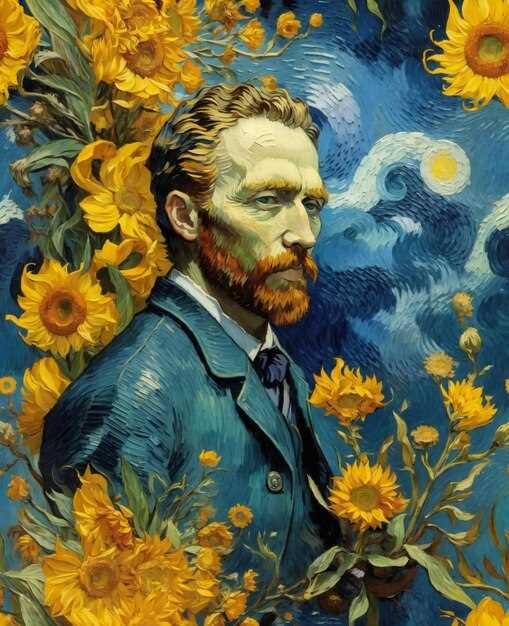
Art has always had the power to transcend time, bridging gaps between historical masterpieces and contemporary society. Through the lens of advertising, artworks created by masters like Van Gogh, Da Vinci, and Picasso are utilized to engage viewers in ways that blend culture with commercial intent. Imagine a scene where these renowned figures access the world of modern marketing; how would they react to the campaigns featuring their own famous artworks? This exploration delves into the interplay of traditional beauty and the clever strategies that brands adopt while using their iconic imagery.
Living in a world where historical context meets digital innovation, we find ourselves asking what it means for artworks like Da Vinci’s “The Last Supper” or Van Gogh’s “Starry Night” to be featured in advertisements for Perrier or fashion labels. These interactions in the orbit of modern advertising likely provoke stronger feelings among consumers. Would they appreciate the use of these images as a smart, creative nod to art history, or would they feel that something essential has been lost in the translation? As brands continuously strive to keep their content relevant and engaging, the participation of historical works asks deeper questions about ownership and meaning within the broader spectrum of artistic expression.
In Finland and beyond, these creative advertisements can sometimes overlook the sensitivity required when incorporating such revered pieces. The beauty of a painted scene can easily be overshadowed by the commercial intentions of modern brands. Yet, as more advertisements feature these masterpieces, the relationships between artworks and advertising become harder to dissect. This article aims to delve into the current trends, exploring how these legendary artists might perceive the clever adaptations of their works, and what this means for the future of both art and advertising among many other possibilities.
Van Gogh’s Perspective on Modern Advertising Art
Van Gogh, renowned for his expressive paintings like “Sunflowers” and “Starry Night,” would probably approach modern advertising art with a blend of admiration and skepticism. He would likely see the beauty in how brands, such as Perrier and Samsung, use vibrant visuals to capture the attention of the public. The theme of captivating imagery in modern campaigns might resonate with his desire to reach people’s emotions, similar to how he conveyed feelings through his brushwork. However, he might question whether these artworks support genuine creativity or merely serve commercial interests.
In his time, Van Gogh’s artwork was often misunderstood, with many gallery owners overlooking its potential value. Today, the challenge remains, especially with how brands utilize art to sell products. He would wonder if the essence of art has changed, as advertising agencies now deploy creatives to design visually stunning pieces that appeal to consumers. Art has evolved into a tool for marketing, where the beauty of a work can sometimes overshadow its meaning. For instance, taking inspiration from classics like the Mona Lisa, advertisers often strive to create something as iconic.
Among the most notable modern campaigns, Van Gogh might recognize the sensitivity of artwork used to evoke nostalgia or cultural relevance. He would probably be inspired by campaigns that draw from historical artworks, placing them within contemporary contexts. For example, a kitchen product promotion that features elements similar to the works seen in the Louvre could evoke a connection to past beauty. Yet, he might express concern about the commodification of his favorite themes, where artistic expression is overshadowed by branding strategies.
| Artworks | Brands | 맥락 |
|---|---|---|
| Sunflowers | Perrier | Refreshing beverage campaign using nature. |
| Starry Night | Samsung | Technology advertisement highlighting creativity. |
| 모나리자 | Various | Iconic imagery used in different product promotions. |
Ultimately, Van Gogh would probably encourage a balance between artistic integrity and commercial creativity. He might hope that brands would recognize the true value of art as an expressive tool and not merely as a means to sell products. In a world where art and advertising increasingly intertwine, finding that harmony could be key to fostering a culture that celebrates beauty and sensibility, rather than reducing creativity to just another marketing strategy.
Understanding Emotion in Advertising
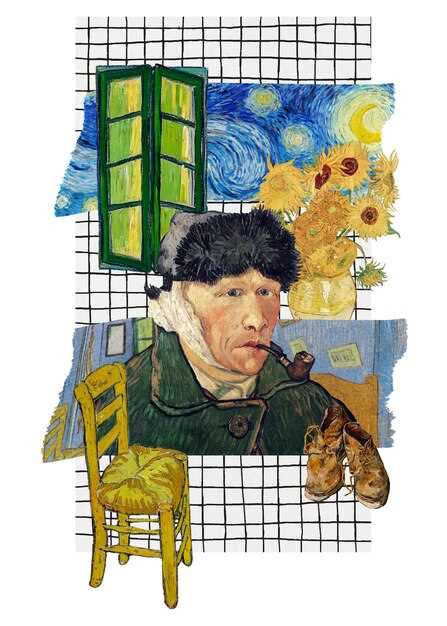
Advertising has evolved into an artistic endeavor, much like the works of famous painters. The emotional impact of a campaign can be likened to how Vincent van Gogh infused emotion into his sunflowers or Leonardo da Vinci portrayed Jesus in the Last Supper. Brands strive to reach the public’s heart more than just selling products; they aim to create meaningful connections.
In the kitchen, brands like Perrier and Samsung utilize digital artwork that resonates visually with consumers. Their campaigns are designed to evoke feelings, drawing on known pieces and artists to craft an emotional narrative. Instead of merely presenting a product, the advertisements tap into the audience’s emotions, turning a simple bottle of water into an experience of refreshment and vitality.
- People respond sensitively to visuals loaded with emotion.
- These advertisements probably impact individuals on a deeper level than traditional methods.
- Companies often use famous artworks to connect with cultural symbols.
For example, a campaign featuring Edouard Manet’s style could evoke the beauty and simplicity found in his works, while using modern elements to capture the viewer’s attention. If Picasso were to evaluate a modern art piece in advertising, he would probably see it as an opportunity to express the chaos and vibrancy of modern life, much like his own artworks.
Today’s advertising landscape requires a smarter approach, where emotional resonance is prioritized. Instead of focusing solely on the product, campaigns that make people feel something can achieve greater success. The fusion of art and advertising creates a platform where emotional storytelling becomes central to marketing strategy.
Ultimately, understanding emotion in advertising is about more than just aesthetics; it’s about building relationships. By connecting with the audience through powerful imagery and narratives, brands become part of the human experience, much like Da Vinci’s masterpieces or Gogh’s artistic expressions. In this ever-evolving orbit of creativity and commerce, brands can truly transform how they are perceived in the hearts and minds of consumers.
Use of Color and Brushwork

The use of color and brushwork in the masterpieces of Van Gogh, Da Vinci, and Picasso offers a profound insight into the emotional landscapes each artist sought to craft. Van Gogh’s vibrant yellows and deep blues created a dynamic tension that brought his portraits and landscapes to life, inviting viewers into his world of wonder. As he painted his iconic “Sunflowers,” the emotional depth of colors became a touchstone for creatives, who often find themselves inspired by this beauty in modern advertisements.
In contrast, Leonardo da Vinci utilized a more subtle palette, emphasizing soft transitions and realistic body tones in his works like “The Last Supper.” His technique of sfumato allowed for a smoother brushwork that conveyed intricate emotions with every portrait he produced. If Da Vinci were to see contemporary advertising, he might advocate for the same attention to detail, suggesting that campaigns could benefit from layered colors that spark a deeper connection with their audience.
Then there is Picasso, who revolutionized the use of color and form through the power of abstraction. His blue and rose periods demonstrated an evolution that went beyond mere aesthetics; it spoke to the human condition. When advertisers feature bold hues and geometric shapes, they often unknowingly echo Picasso’s transformative approach, using them to evoke specific feelings, much like a digital artwork tailored to resonate with its viewers–doing more than just promoting a product.
In a hypothetical collaboration, imagine Van Gogh’s expressive style infused into a contemporary advertisement for a brand like Campbell’s Soup. The agency could employ colors reminiscent of Van Gogh’s palette while retaining the familiar branding, creating a connection between historical beauty and modern consumer culture. The emotional resonance of such an advertisement would likely use brushwork techniques reminiscent of Van Gogh, inviting audiences into an artistic dialogue.
Moreover, the juxtaposition of scenes seen in the works of these masters serves as an inspiration for creatives today. Take, for example, a campaign set in Finland featuring a self-portrait style advertisement, where models wear glasses that reflect a captured moment from art history. This blend highlights not only fashion but also those emotional threads common in the paintings, demonstrating that art can transcend its original context and remain relevant and influential.
Ultimately, the artistic heritage of Van Gogh, Da Vinci, and Picasso continues to be a wellspring of ideas for modern creatives. The potential to weave their unique color schemes and brushwork into advertising presents a challenge and an opportunity. Instead of simply selling products, these campaigns could reflect on cultural themes and build an emotional narrative–transforming mere advertisements into visual stories akin to the great masterpieces that came before.