


 한국어
한국어  English (UK)
  Русский
  বাংলা
বাংলা  العربية
  日本語
日本語  Magyar
  Norsk nynorsk
  Türkçe
  עִבְרִית
  Español
  Čeština
  Svenska
  Português
  Ελληνικά
  Suomi
Suomi  Nederlands
  Română
  Italiano
  Français
  Polski
  Українська
  Deutsch
  简体中文
简体中文  Slovenčina
  Српски језик
  اردو
اردو  Azərbaycan dili
  O‘zbekcha
  አማርኛ
አማርኛ 
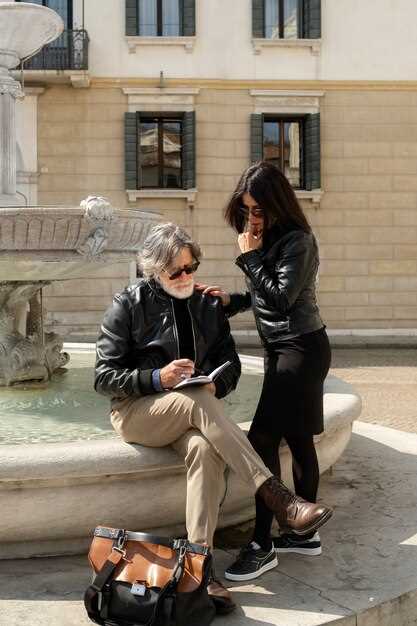
Welcome to Bristol, a city committed to accessibility and inclusivity for all visitors. Whether you are navigating the vibrant streets or exploring local venues, there are resources and services designed to ensure you have an enjoyable experience. With a variety of tiers of accommodation, amenities, and attractions, Bristol is a destination where anyone can feel at home.
Accessibility isn’t simply about wheelchair ramps and wider entrances; it encompasses the entire experience from the moment you step outside. Here, you can hear the buzz of city life and discover that businesses often prioritize, and actively maintain, inclusive practices. From 8am to 9pm, shops and galleries are equipped to cater to neurodiverse users, keeping their environments adaptively welcoming to all guests, including those with specific needs or impairments.
As you traverse this inclusive city, you’ll find that venues are well-located, often with multiple entrances to accommodate varying levels of mobility. Maps are available to help you check routes and ensure you don’t miss out on any spectacular experiences the city has to offer. Additionally, stewards are on hand to assist with queries and provide information about accessible transports, ensuring that anyone can navigate through Bristol comfortably and confidently.
Visitors can also explore various street-level attractions, which make it easy to enjoy everything from freshly opened cafés serving local drinks to galleries showcasing the work of talented artists from Gloucestershire and beyond. Keep an eye out for special accommodations and hire services for wheelchairs or mobility aids, as well as information on where to catch public transport with minimal steps involved. Whether you’re enjoying a quiet corner in a cellar restaurant or attending a lively event on the top floor of a boutique venue, each experience can be made enjoyable and accessible.
Understanding Accessibility in Bristol

Accessibility is a fundamental aspect of urban planning, ensuring that every individual can navigate the city safely and confidently. In Bristol, we’ve made significant strides towards creating an inclusive environment. This encompasses everything from well-maintained public transportation to accessible venues where everyone can enjoy their experiences without any barriers.
Each venue in Bristol is required to comply with accessibility standards. Upon entering a café or public building, individuals can often find clear signage that guides them to accessible entrances and facilities. Check the dimensions of doorways and pathways to ensure they can accommodate wheelchairs or mobility aids.
- Safety and cleanliness are prioritized, with venues regularly cleaned and maintenance schedules in place.
- Parking facilities are designed with accessible spaces located close to entrances, allowing easy access for individuals with personal conditions.
- Public transportation, such as buses and trains, is equipped with lifts and designated seating areas.
For those who may need assistance, engaging with venue staff can be crucial. Don’t hesitate to request help if you feel uncertain about navigating the environment. Each individual experience can vary; thus, preparation is necessary to guarantee a smooth visit.
Weston-super-Mare and Longwell Green also offer various programs aimed at enhancing accessibility. These places have been selected for their commitment to providing inclusive services, showcasing that accessibility is not just a requirement but a core value.
Additionally, the lighting in public spaces is designed with visual consideration in mind. Well-lit areas can significantly enhance safety and reduce the chance of accidents. While at locations such as the hangar, individuals can find quiet zones to hang out, fidget, or simply take a break.
- Check if your chosen venues have made investments in accessibility.
- Determine the safest route to your destination.
- Consider the timing of your visit; early openings may provide a less crowded environment.
Together, we can continue to foster an atmosphere that welcomes everyone. While Bristol has made progress, there is always room for improvement, and every effort toward accessibility counts. So, let us all do our part in ensuring that this vibrant city remains accessible for all.
Key Features of an Accessible City
An accessible city should prioritize accessibility at every level, ensuring that no one feels lost while navigating its spaces. This includes introducing seamlessly integrated infrastructure that allows for smooth transitions between different modes of transport. For instance, well-placed lifts and ramps facilitate movement for those who may have mobility challenges, improving their overall experience and confidence while visiting.
Within the city, it is vital to have clear signage and easy access to information desks. This ensures that all users, including those with visual impairments, can find their way around without hassle. Clean and freshly maintained facilities, such as restrooms and waiting areas, play a crucial role in providing comfort for all guests. Benches placed along walkways allow individuals to rest without being too far apart from the main activities.
Many theatres also focus on accessibility by providing specific seating arrangements. The placement of chairs should allow for ample space in the aisles, ensuring that those using mobility aids can navigate easily. When booking tickets, it should be straightforward to identify accessible seating options, thus allowing everyone to enjoy performances and shows without the worry of physical limitations.
Outdoor activities are also essential in an accessible city. Parks should include features that cater to all users, such as wide, flat paths suitable for wheelchairs and strollers. Quiet areas allow guests to relax and enjoy nature without the overwhelming noise often found in bustling urban environments. Such spaces will make visiting the city a perfect retreat for families alike.
Accessible public transport is another key feature that must not be overlooked. Buses and trains should include low-floor access and designated areas for wheelchair users. Timetables should be clear, with special attention given to those who may need assistance. Booking transportation in advance, especially during peak hours, may improve the experience significantly by reducing the time spent waiting in a queue.
For a deep dive into the city’s music scene, it is essential to highlight venues that provide inclusive experiences for all audiences. Ground-level entrances, designated viewing areas, and accessible performances allow those with hearing or mobility impairments to engage fully. Music shows scheduled at various times, such as 8 am to 7 pm, cater to guests with different lifestyle needs.
Safety remains a priority, and this can be achieved through adequate lighting in public spaces, especially during night-time activities. City planners must consider how to maintain well-lit areas while balancing aesthetics and functionality. Emergency procedures should be clearly communicated and practiced without causing panic among guests, ensuring everyone feels secure.
Finally, an accessible city should constantly evolve, addressing feedback from its guests and implementing innovative solutions. By endorsing an inclusive atmosphere, cities like Bristol can uphold their reputation as destinations that truly welcome everyone, regardless of their abilities. This commitment not only improves day-to-day experiences but also deepens community relationships and fosters understanding amongst all city dwellers.
Statistics on Accessibility in Bristol
Bristol is committed to improving accessibility throughout the city, with statistics indicating a growing awareness among businesses and public venues. Approximately 15% of the population in Bristol identifies as disabled, which highlights the necessity of enhancing the physical space around us. This includes having accessible entrances, seating arrangements, and facilities that cater to various users, including those who are neurodiverse.
For public venues such as theaters and museums, the level of accessibility varies significantly. Research shows that only 70% of venues in Bristol have dedicated seating for disabled participants. Moreover, a notable portion of venues offers alternative formats for information, such as large print or audio descriptions, allowing all visitors to select the means by which they engage with the experience.
- Public transportation in Bristol has seen improvements with around 80% of buses now equipped with low floors.
- In Yate and Weston-super-Mare, initiatives have introduced training for staff to better understand and assist neurodiverse users.
- Several cafés and restaurants are offering special meal packs tailored for those with specific dietary restrictions, which is a considerable step forward in fostering an inclusive dining experience.
During your first arrival at any venue, it’s advisable to check the accessibility information on their website. Many places encourage visitors to register in advance if they require assistance, ensuring necessary accommodations are in place. For instance, auditorium seats may need to be reserved ahead of time to guarantee optimal seating and support.
As Bristol continues to develop its infrastructure, there’s an increasing focus on not just meeting, but exceeding standard accessibility measures. The council is working alongside businesses to prepare tailored action plans that address specific needs. Whether it’s setting up fidget spaces in public halls or improving the designs of doors and reception areas, every little improvement contributes to an inclusive city experience for everyone.
Government Initiatives Supporting Accessibility
In recent years, the government has taken significant steps to ensure accessibility across all sectors in Bristol. By focusing on creating an inclusive environment, various initiatives have been aimed at transforming public spaces into areas that everyone can enjoy. Funding has been allocated for restructuring transportation and facilities to accommodate those with physical disabilities, aiming to make Bristol a model city in Britain for accessibility.
One major initiative is the “Changing Places” program, which installs specialized restrooms in public venues such as shopping centers, parks, and cultural institutions. These facilities often include additional space and specialized equipment to assist those who require assistance. This commitment has dramatically improved the experience for audiences with varying abilities who want to visit different attractions in the city.
The city has also launched a mobility and transport plan, which focuses on ensuring public transport services like buses and coaches are equipped with features such as low floors, lifts, and dedicated priority seating. These efforts make it easier for individuals to navigate the streets of Bristol comfortably. A good example is the recent integration of mobile apps that allow users to find the nearest transportation options more efficiently, enhancing their travel experience.
Collaborating with local organizations, the government has introduced training programs to hire stewards who are equipped to provide assistance in public spaces. This initiative ensures that trained personnel are on hand to help individuals navigate areas like the central station or major event venues. With these stewards dressed in identifiable uniforms, they are easily recognizable, providing an additional layer of comfort for those who need support.
To further encourage community involvement, Bristol’s local government has also initiated workshops and informational sessions. These meetings invite residents to discuss their experiences and suggest improvements to existing facilities. This open dialogue prepares local authorities to respond effectively to the needs of their community, ensuring they are taking steps that reflect the voices of those they serve.
Additionally, the Clifton Suspension Bridge and other historic sites have been retrofitted with modern accessibility features while preserving their historical essence. In cases where it may seem challenging to adapt these sites, the government’s commitment to funding enhancements reflects a balanced approach to conservation and inclusivity. This policy acknowledges the history of such landmarks while ensuring they are accessible to all visitors.
Bristol also benefits from initiatives promoting awareness among local businesses to encourage the adaptation of their offerings. Retailers are often provided with guidance on making their layouts more friendly for individuals using wheelchairs or those with mobility challenges. By dropping barriers within stores, they can help ensure a more inclusive shopping experience for everyone involved.
For anyone looking to discover more about the accessibility initiatives in Bristol, they can visit accessbristolbeacon.org. This platform provides comprehensive guides and resources to help residents and visitors alike understand their rights and available services. Email consultations are also available to answer questions about further improvements, making sure that Bristol continues to bloom as an accessible haven for all.
Community Engagement in Accessibility Efforts
Community involvement is crucial in making Bristol an inclusive city for everyone, particularly for those with disabilities. Local businesses, such as cafés and retail venues, are encouraged to actively engage in accessibility discussions. By opening their doors to feedback, owners can better understand the needs of their visitors, ensuring that features like armrests in seating areas and accessible entry points are prioritized. Public events frequently utilize stewards to assist guests, particularly during busy times. This collaborative effort provides a tailored experience for all, allowing each visitor to fully enjoy the cultural vibrancy of the city, whether listening to music at a local venue or participating in a community fair at the park.
Furthermore, the city has established a dedicated office to streamline information on accessibility initiatives, reachable via telephone or email, ready to advise the public on available resources. For those with autism or other sensory sensitivities, special arrangements are often implemented during events, including the use of quiet areas and reduced strobe lighting. To ensure a seamless experience, visitors are encouraged to plan ahead by checking event details and booking accommodations in advance, especially during peak times. This commitment to community engagement is reflected in Bristol’s deep understanding of its residents’ and visitors’ needs, making the city a pioneering model in accessibility.