


 한국어
한국어  English (UK)
  Русский
  বাংলা
বাংলা  العربية
  日本語
日本語  Magyar
  Norsk nynorsk
  Türkçe
  עִבְרִית
  Español
  Čeština
  Svenska
  Português
  Ελληνικά
  Suomi
Suomi  Nederlands
  Română
  Italiano
  Français
  Polski
  Українська
  Deutsch
  简体中文
简体中文  Slovenčina
  Српски језик
  اردو
اردو  Azərbaycan dili
  O‘zbekcha
  አማርኛ
አማርኛ 
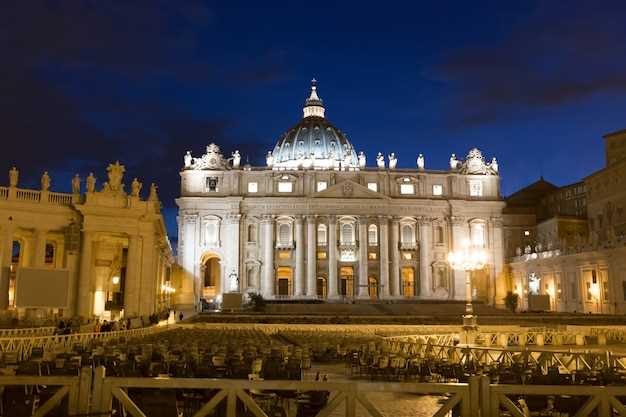
St. Peter’s Basilica, located in the heart of Vatican City, stands as one of the largest and most impressive churches in the world. This architectural masterpiece, completed under the patronage of Pope Julius II, represents not just a religious site but a monumental project that reflects the glory of the Renaissance. Lovers of art and history must not miss the opportunity to explore its intricacies, as the basilica is adorned with stunning sculptures and frescoes created by some of the finest artists of the time, including Bramante and Bernini.
The grandeur of the basilica’s entrance invites visitors to immerse themselves in its rich historical tapestry. As you walk through the towering doors, you are greeted by the awe-inspiring dome that depicts biblical narratives, drawing you closer to the spiritual significance of this holy site. Over the centuries, cardinals and popes have been buried here, solidifying its role as a cornerstone of Catholic faith. Tour groups often choose to take guided visits to deep-dive into the various galleries and museums attached to this monumental structure, exploring its illustrious past.
While modern visitors arrive by buses and transfer services, the essence of St. Peter’s Basilica remains timeless. For those seeking a deeper understanding of its architectural and cultural significance, special tours provide insights into its design, policy decisions made by the Vatican, and the remarkable artists who contributed to its creation. Whether you are a history enthusiast or simply enjoying a Sunday stroll, this magnificent basilica on the Vatican grounds offers an unparalleled experience that resonates with every visitor, leaving a lasting impression long after they’ve left its walls.
Understanding the Historical Context of St. Peter’s Basilica
St. Peter’s Basilica, located in Vatican City, stands as one of the most significant symbols of the Catholic Church and represents centuries of architectural innovation. The historical context of this grand building is deeply intertwined with the evolution of Christianity and the power of the papacy. The importance of this space can be traced back to the early Christian era when it was likely built over the tomb of Saint Peter, one of Jesus’ apostles, who was crucified and buried in this very location.
The original basilica was commissioned by Emperor Constantine in the early 4th century. This decision reflected the growing influence of Christianity within the Roman Empire, transitioning from a period of persecution to acceptance and eventual dominance. Over time, this structure underwent numerous modifications and restorations, culminating in the current Renaissance marvel we admire today, which was completed in the 17th century under the leadership of architects like Michelangelo and Bernini.
One of the notable phases in the basilica’s history occurred during the papacy of Julius II, who initiated a grandiose project that sought to create a magnificent new structure. This decision came at a time when the Catholic Church was undergoing significant reforms and needed to assert its power and prestige in a rapidly changing world. The construction was not only a religious statement but also a demonstration of artistic and architectural prowess, engaging some of the most talented artists of the era.
| Period | 이벤트 | 의의 |
|---|---|---|
| 4th Century | Original Basilica Commissioned | Marking Christianity’s rise within the Roman Empire |
| 1506-1626 | Construction of Current Basilica | Showcasing Renaissance art and architecture |
| 1514 | Michelangelo Becomes Chief Architect | Transformation of the dome into a global icon |
As the basilica grew, so did its collections of masterpieces, including numerous sculptures and artworks that reflect various religious themes, such as the famous Pietà by Michelangelo. The use of high-quality materials, including exquisite marble, adds to the structure’s splendor and speaks to the dedication of the artists and workers involved in its construction. The basilica became a residence of artistic expressions that make it a pinnacle of cultural significance.
The basilica’s architectural design integrates elements from various styles, showcasing a blend of Greek and Roman influences. This eclecticism is particularly visible in the grand façade and the overall layout of the building, which draws visitors to its breathtaking interiors. Each architectural feature leaves a lasting impression, creating a space that is both awe-inspiring and solemn.
Visitors often reserve their tickets in advance, particularly during the high season when crowds flock to admire its grandeur. It is generally advised to check the hours of operation, as the basilica is closed on Mondays, which may affect travel plans. Operators, such as hop-on hop-off bus services, are available around the square, providing convenient access to this monumental site.
Today, St. Peter’s Basilica is not only a place of worship but also a testament to the resilience of faith and artistry. Its enduring presence serves as a reminder of the historical and spiritual journeys that have shaped its identity over the centuries. For tourists, it remains an essential destination that encapsulates the rich tapestry of history, faith, and creativity that defines Vatican City.
The Origins of St. Peter’s Basilica
The revered St. Peter’s Basilica has its roots deeply embedded in the early Christian context of Rome. It is believed that the basilica was built upon the tomb of Saint Peter, one of Jesus’ apostles, who is considered the first Pope. Historical evidence suggests that this sacred site was originally marked by a simple shrine, which later evolved into a more elaborate structure. Throughout various seasons, the notion of constructing a grander edifice arose, leading to a series of ambitious endeavors to honor the memory of this pivotal figure in Christianity.
By the time the 4th century rolled around, under Emperor Constantine’s reign, the initial basilica was completed. This construction marked a significant milestone in church architecture, inspiring future generations of architects and builders. The basilica was not only a place of worship but also a symbol of the growing power of the Church. The subsequent modifications and renovations, particularly during the Renaissance, would further enhance its architectural magnificence and cultural significance.
Moreover, the transfer of ideas surrounding Greek and Roman architectural styles profoundly influenced the design of St. Peter’s Basilica. Architects like Bramante, Michelangelo, and Bernini played essential roles in bringing forth exquisite elements that combined classical grandeur with Christian symbolism. As you admire the intricate details of the dome that still captivates visitors today, keep in mind that each feature depicts a larger narrative about faith, power, and artistry. Visitors typically choose tours that highlight these aspects, ensuring they do not miss any vital points during their time exploring this iconic landmark.
In the modern era, St. Peter’s Basilica remains a focal point for pilgrims and tourists alike. With guided tours available and audio options that allow for a deeper understanding of the basilica’s history, exploring this unparalleled structure has never been more accessible. Your ticket grants you entry into this significant residence of faith, the Bones of Peter, and the other exquisite artifacts housed within. In visiting, you step not only into a masterpiece of architectural genius but also into the vibrant tapestry of Roman history that still thrives around Castel Sant’Angelo and the Borghese villas, enriching your experience nonetheless.
Key Historical Events Associated with the Basilica
The history of St. Peter’s Basilica is marked by significant events that have shaped its identity. Construction of the current basilica began in 1506, replacing the original church built in the 4th century. This project combined the efforts of renowned architects such as Bramante, Michelangelo, and Bernini, resulting in a masterpiece that showcases the grandeur of Renaissance architecture. It is essential to understand this context to appreciate the basilica’s evolution as the largest church in the world.
Before the basilica was officially opened in 1626, numerous artworks were commissioned, including the famous sculpture of the Madonna by Michelangelo, which still captivates visitors today. The opening ceremony was attended by thousands, including cardinals and dignitaries, marking a pivotal moment in church history. This event not only symbolized the culmination of years of labor but also established the basilica as a center of religious and cultural significance.
In 1869, the First Vatican Council took place in the basilica, further solidifying its importance within the Catholic Church. This council, the last ecumenical council to be held there, discussed crucial doctrines and the role of the pope, leaving a lasting legacy. These discussions highlighted the basilica as a sacred site where pivotal spiritual decisions were made, impacting the church’s trajectory in modern times.
Throughout the years, important papal ceremonies have been hosted at St. Peter’s Basilica. For instance, the funeral of Pope John Paul II in 2005 drew millions of visitors and television viewers globally. The emotional weight of such events often intersects with the personal experiences of those who pay their respects at the tomb of the beloved pope. His burial site, located beneath the basilica, has since become a pilgrimage destination for many.
The basilica has also been a host to various exhibitions and tours that allow visitors to explore its immense spiritual and artistic wealth. Operators typically book tours months in advance due to the high demand, especially during Easter and Christmas. At these times, the square outside the basilica fills with worshippers and tourists eager to experience its sacred atmosphere, showcasing the basilica’s role as a home for faith and community.
In addition to its religious significance, St. Peter’s Basilica stands as an architectural wonder that continues to inspire. The recent restoration projects have ensured that future generations will find themselves captivated by its beauty and history. As the legacy of the basilica continues, it remains an essential part of the narrative of the Catholic Church, echoing the grandeur and devotion that have surrounded it through the centuries.
Influential Figures in its History
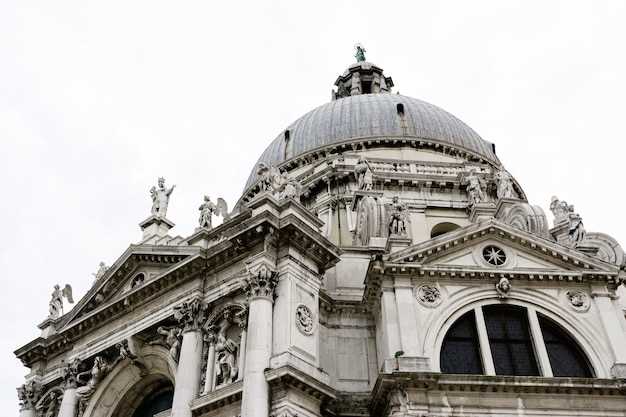
St. Peter’s Basilica has a rich history shaped by numerous influential figures over the centuries. Among them, the most significant is undoubtedly Michelangelo, the architect responsible for the iconic dome that completes the basilica’s silhouette. His work was not just limited to the architectural design; Michelangelo also contributed sculptures that reside within the church, showcasing his genius and the blending of different art forms. His vision contributed to the basilica’s status as one of the largest and most stunning churches in the world.
Another key figure is Bramante, who originally designed the building during the Renaissance period. His ideas infused elements of classical Greek architecture into the structure, making it a symbol of the era’s artistic revival. Bramante’s design laid the groundwork for future development, allowing subsequent architects to build upon his initial work, which included the arrangement of elements surrounding the main altar, reinforcing the sacred context of the site.
- Rafael Sanzio, a student of Bramante, also played a crucial role. His artistic influence extended beyond painting; he worked on the various frescoes found within the Vatican Museums that enhance visitors’ experiences when exploring the route to St. Peter’s.
- The French architect Paul Abadie contributed to the basilica’s restoration in the late 19th century, ensuring that the structure maintained its grandeur over time. His work preserved the essence of what makes the basilica special, safeguarding it for future generations.
Over the years, many popes, such as Pope Julius II, who commissioned the reconstruction in the early 16th century, have also left their mark on the basilica. The popes played key roles in deciding the artistic directions and investments made in the church, affirming its status as a focal point of Catholicism throughout history. Their influences can still be felt in the various artworks and architectural details that guests can find during their visits.
In conclusion, the combination of numerous talented individuals across various seasons of art and architecture has solidified the basilica’s position as a legendary site within the Vatican. Every detail–from the sculptures around the altar to the layout of the park outside–is a testament to the collaborative efforts of these significant figures. Each contributes to an overarching narrative that celebrates faith, artistry, and history, making it a valid destination for tourists from around the globe.
Architectural Features of St. Peter’s Basilica
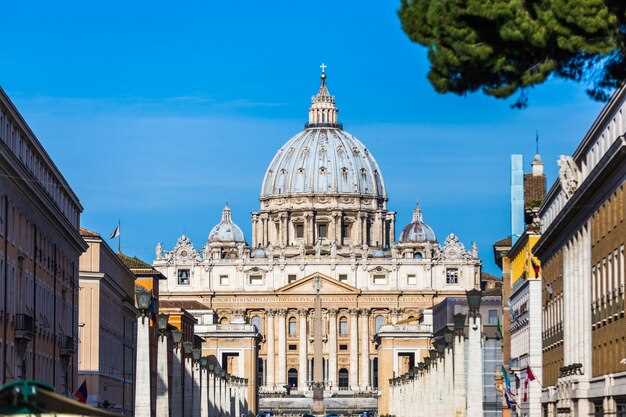
St. Peter’s Basilica, one of the largest and most renowned churches in the world, showcases a magnificent blend of Renaissance and Baroque architectural styles. Its design includes contributions from legendary architects like Michelangelo, who played a pivotal role in the building’s completion. The structure is characterized by its impressive dome, which dominates the skyline of Vatican City, drawing visitors from around the globe.
The exterior of the basilica features grand facades adorned with intricate sculptures and a stunning colonnade, which encircles the piazza, welcoming worshippers and tourists alike. The work of Gian Lorenzo Bernini, the colonnade symbolizes the “embrace” of the church, illustrating the commune of faith and fellowship among its visitors. A journey through this sacred place typically involves a reservation to ensure a smooth experience, reflecting its popularity as a must-visit destination.
Inside, the church leaves visitors in awe with its expansive nave and breathtaking artworks. The richness of the interior is accentuated by the use of precious materials including marble, bronze, and gold. Notable architectural features include the Baldachin, a stunning bronze canopy created by Bernini, which stands over the papal altar. This striking design highlights not only the space but also amplifies the significance of the altar itself, where the spirit of St. Peter is believed to reside.
As one wanders through the basilica, various audio guides provide insight into the masterpieces adorning its walls. These include original paintings of Italian artists depicting the life of St. Peter, the chief apostle, and symbols of Christian faith. The artistic elements combine seamlessly with the architectural design, creating an atmosphere that encourages contemplation and admiration.
A panoramic view from the dome is a must for any visitor, offering a unique perspective of not just the basilica but the entire Vatican City. To reach this viewpoint, visitors can take a specific set of stairs or an elevator, typically available during peak tourist hours. The price of the ticket includes access to both the dome and the church itself, providing remarkable value for the stunning experience.
In terms of decorative arts, the basilica hosts a myriad of sculptures, including works by renowned artist Antonio Canova, whose style represents the neoclassical period. His contributions further enrich the collection of significant pieces housed within the basilica, showcasing the evolution of art in relation to faith and culture over centuries.
The cultural significance of St. Peter’s Basilica cannot be overstated. It stands as a residence for the papacy, a site of pilgrimage, and an iconic representation of Catholicism. Visitors, who often include art collectors and historians, come to find deeper meanings in the architectural marvels and are often struck by the harmonious blend of spirituality and artistry that defines this sacred space.
This quintessential building, with its rich history and diverse architectural features, remains a steadfast symbol of the Catholic Church. The awe-inspiring presence of St. Peter’s Basilica continues to attract and inspire those who seek to admire its beauty, deepening their understanding of its cultural and spiritual importance.