


 한국어
한국어  English (UK)
  Русский
  বাংলা
বাংলা  العربية
  日本語
日本語  Magyar
  Norsk nynorsk
  Türkçe
  עִבְרִית
  Español
  Čeština
  Svenska
  Português
  Ελληνικά
  Suomi
Suomi  Nederlands
  Română
  Italiano
  Français
  Polski
  Українська
  Deutsch
  简体中文
简体中文  Slovenčina
  Српски језик
  اردو
اردو  Azərbaycan dili
  O‘zbekcha
  አማርኛ
አማርኛ 

권장 사항: Book your seat early and pack a compact travel kit to avoid exhausting delays. The four essential items you should carry include water, a snack, a light layer, and a compact map; this sets you up to ride comfortably when the front carriage is chilly or the train fills up. The word here is preparation, not luck.
Mistake 1: Not checking the timetable or whether the chosen train is direct. If they miss a transfer, they waste two hours; plan a second option for towns you want to visit, and keep a backup route on your phone for delays.
Mistake 2: Overpacking or wearing heavy clothes, which makes the ride exhausting. Stick to four items: water, snacks, a light jacket, and a compact charger. Choose breathable layers and avoid wearing bulky boots in warm cars; this keeps fatigue low and gives you substantial energy for the day.
Mistake 3: Skipping lunch or choosing the wrong eating spot on the train. A compact lunch bag with a sturdy sandwich or salad keeps energy up without waiting at a station. If you snack during the ride, tidy wrappers before the conductor stops by; this avoids a shock moment when they check seating area.
Mistake 4: Not validating your seat or not reading the car layout. Look for the coach map, sit near the front to avoid crowds, and keep valuables in sight. If you’re visiting a city, step off for a quick break at the second town stop rather than staring out the window the entire ride; you’ll feel more confident when you return to your seat.
Mistake 5: Relying solely on your phone for directions. Be sure to download offline maps, note station names, and practice the line names in case the signal drops. If you’re coming from a student or young traveler, you’ll save time by asking a staff member for the next stop and confirming the connection before you board again.
Mistake 6: Not respecting others and noise. Limit talk with strangers on crowded cars, keep devices quiet, and use headphones. This helps travelers visiting or just passing an hour on the car to rest and read a map, rather than dealing with loud chatter.
Mistake 7: Not tracking luggage or misplacing items. Label your bag and use a small product like a packing tag. If you missed a charger or document, you’ll recover faster when you know where you left it; check the front rack after doors open at each stop to retrieve items you missed.
Mistake 8: Ignoring platform boards or last-minute changes. Always listen for a platform update, and verify the train’s arrival board a few minutes before departure. If you hear a terminal announcement, stay calm and follow staff directions; delays feel like a shock but they pass with a steady plan.
Mistake 9: Not savoring the ride and missing chances to observe. View the scenery from a window in the second car, notice small details along the way, and plan your time to explore the town you came to visit after arrival. Live the moment, and you’ll return with a clear list of next steps for your next trip.
Train Travel Essentials: A Quick Reference for First-Timers
권장 사항: Pack a compact daypack with a water bottle, a lightweight rain shell, and a small power bank; this setup will work from the beginning and bring rewards by cutting stress at busy stations. Keep these words in mind as your quick-reference list, and carry a small notebook so you can make a screenshot of the route if the screen glitches on the go.
Main tip: arrive 15 minutes before departure and use the portal entrance to find the correct platform; if you didnt check the arrival board, you may miss the train. Double-check the coach letter and seat number before boarding to avoid late scrambling in crowds.
Four quick checks save stress: confirm the sale and ticket details, find the right coach, note the platform and departure time, and prepare a backup plan if a change is needed. These steps keep the main route simple and help you manage them without panic.
Stay comfortable on longer rides: choose a seat with space for your legs, wear worn-in shoes, and move around during breaks; for older travelers, a calm corner near the door helps. If the train is crowded, plan a quick stretch and a small drink to stay relaxed through the night.
Cities like frankfurt and paris offer easy options: stop at a cafe for a quick snack or dinner, and if a bike rental is nearby, a short ride after arrival can reset your legs. Look for a main street deal with a safe, well-lit path to the hotel or station.
After boarding, keep help ready: note a short story of what you learned and ensure your notes are filled with practical tips for them. A saved screenshot of the timetable can ease the next check-in, and having a simple plan helps you make the most of every late departure.
Plan the journey with accurate schedules and buffer time
Start with precise schedules and a solid buffer: pull the official timetable, make a booking for the first leg, and reserve seats at least a month ahead when possible. Add 30-45 minutes for transfers, and extend to 60 minutes if you must change platform in busy stations. Track departure and arrival times in your notes so you understand the real wait times.
Share your plan with a friend or coach who travels often; they can spot gaps you miss and help you avoid hard moments. Keep the plan flexible enough to swap trains if a delay appears, and agree on a backup route you can take anywhere.
On the day, arrive early at the station, verify your luggage is ready, and confirm carriage numbers before heading to the platform. Use the live view in the booking tool to watch for platform changes and avoid sprinting between cars. If crowds push you into a rush, take the usual route at a comfortable pace.
Plan for stops and connections with a substantial buffer: for a typical multi-stop route, add 15-20 minutes per transfer for walking, ticket checks, and stairs. If a leg dips or runs late, you already have time to absorb the delay without missing the next connection. If you encounter an issue, stay calm and use the app’s chat or call center instead of guessing the worst.
Pack strategically: bring comfortable luggage, a light sweater, drinks, and a small charger. Keep important items in a carry-on bag so you can move quickly between cars. With a few books or a lightweight reader, the ride stays productive even if trains run on time less often than usual.
Talk with locals and fellow tourists to learn about the route view, best snacks, and transit quirks; this social tool helps you adjust plans when changes occur. If youve got a shared plan with friends, you can compare notes and avoid issues like missed stops or wrong platform.
Impact: accurate scheduling and buffer time cut stress, keep them and your companion content, and leave more time to enjoy moments you enjoyed before. The approach pays off month after month, and you can reuse these notes for future bookings anywhere.
Choose seats and carriage for quiet travel or easy conversations
Reserve a seat in a quiet carriage and pick a window or aisle that matches your goal: calm travel or easy conversations. If you want minimal disruption, aim for a seat in the middle of the carriage, away from doors and the vestibule.
- Check the carriage map on the booking page to identify quiet carriages and the typical layouts (2-2, 2-3, or open-plan). This helps you know where the tables, power outlets, and reading lamps are located.
- For talking with a companion, choose seats facing each other with a small table between you or sit side-by-side in a cluster away from the main path. A seat near the middle often gives you a better sound balance and fewer interruptions.
- Frugal travellers should compare standard seats with and without access to outlets; buying early usually yields good prices and a better chance of getting preferred positions without paying for a premium cabin.
- Avoid seats directly beside vestibules, kitchens, or toilets; the constant foot traffic and announcements can ruin a quiet ride or a relaxed chat.
- Traveling with parents or companions who want some quiet conversation? Pick seats away from crowded entries and opt for a table group so you can share a map, snacks, or plans without shouting.
- If you know your plans may shift, review refund options before departure. In many cases, purchased seats can be exchanged or refunded with minimal fees if you adjust early.
- If you realise you bought a suboptimal seat, speak with staff at the carriage entry or the station desk; in most cases, you can swap to a better position or open a new booking with a partial refund.
- Tourists often seek flexible seating; a middle car with a table gives you space to work or chat and keeps noise levels reasonable in black-seat zones that tend to absorb more sound.
- Be aware of the quiet carriage rules and follow them even if you’re aiming for a conversation later; a respectful approach keeps the space comfortable for all passengers.
- Good planning reduces stress: purchased or booked seats with a clear map help you avoid last-minute scrambling and missed opportunities to settle in.
Realised you missed a better option after checking the timetable? Don’t worry–you can adjust up to departure in many services. Rick spoke about how a quick seat swap can save a whole trip from becoming noisy. Youre able to keep things open, stay comfortable, and give yourself space to read, work, or chat. The pantheon of quiet routes shows that a small planning step now ends with a more pleasant ride later. Given these tips, you can make the most of your year’s travels and keep conversations light and enjoyable, rather than forcing everything into one cramped space. If you purchased a flexible fare, staying near the middle of the coach typically gives you the best balance between peace and dialogue, without sacrificing access to your essentials. Finally, choose the option that fits your mood: a quiet retreat or an open spot for good conversation.
Pack light meals and snacks to stay fed without breaking rhythm
Pack a compact snack kit: five staples that stay fresh for hours and fit under a small backpack. Two granola bars, a 40 g bag of mixed nuts, a 50 g dried fruit pouch, a 20–25 g cheese stick, and a small peanut-butter cracker pack provide quick energy and delicious flavor between stations, letting you catch the next train without hunger interrupting travelling rhythm.
Keep total weight under 500 g and choose shelf-stable options that travel well at room temperature. This setup works for much of a day on routes with multi-stop schedules, helping you stay focused and happy. Nutrition matters for steady energy, and cheaper options keep you on track instead of grabbing pricey station meals. Read english labels about serving sizes to avoid overeating.
Stock ideas from snack companies across markets: protein bars, peanut-butter sachets, cheese sticks, dried fruit, and roasted nuts. All stay delicious and usually cost less than eatery meals, especially on shorter trips. For switzerland routes or other national networks, keep each item under 200 g and the total kit under 1 kg to fit a small bag. myself, I pack this kit before travelling. This approach holds up even on routes connected to aviation hubs.
Packaging tips: use a small, reusable pouch inside your bag, seal items to prevent squashing, and add a napkin and a tiny spoon. Take a screenshot of your packing list on your phone to stay on track, share the plan with a friend, and compare notes with colleagues about english-language labels. a note from ourense or a friend in ourense can reinforce the routine and curb impulse buys. Keep noise down on crowds-filled cars–personnel appreciate calm, tidy spaces. news from frequent passengers shows that british rail users value this approach for comfort and efficiency, thus improving the travelling experience. lesson: plan ahead and test your kit at home before your next trip.
Manage tickets, reservations, and changes to avoid penalties
Review the original itinerary and set a change deadline before departure to avoid penalties. Use the confirmation email as your baseline and log in to the official portal to adjust reservations. This keeps your plan transparent and reduces the risk of costly mistakes.
Make changes in a timely manner rather than waiting at the station. For every leg, check the policy, including change windows and costs. If you must adjust, do it through the carrier’s site or app; doing it twice before submitting helps catch potential fees and mistakes.
For trips like an antibes weekend route, flexible fares usually offer a small premium but save you from fines if plans shift. Look for the option labeled flexible, refundable, or open-ended and choose it if your itinerary could shift. This is a smart choice when their schedule changes or you are traveling with a group.
Keep a close eye on costs and refunds. If a penalty looms, know whether you can get a voucher or credit rather than a cash loss. If you already spent money on a ticket, some operators apply the credit to a future booking within the same wallet. That keeps your wallet lighter and avoids waste.
Before you buy, check the fine print and note the ticket’s validity, rebooking rules, and any blackout periods. If you are traveling on a busy weekend, plan early and avoid popular trains that often have stricter rules. When you finalize, save all confirmations and keep them accessible from your phone to reduce waiting at kiosks. Also, synchronize your calendar with the travel date so you can act quickly should a change be needed.
Looking ahead, this approach can mean less stress, better health, and fewer surprises when platform lights switch on during peak hours. Although policies vary by operator, your best choice is to act quickly through official channels. Given the variability, staying proactive protects you from penalties and keeps your trip on track.
Navigate dining with strangers: icebreakers, boundaries, and when to opt out
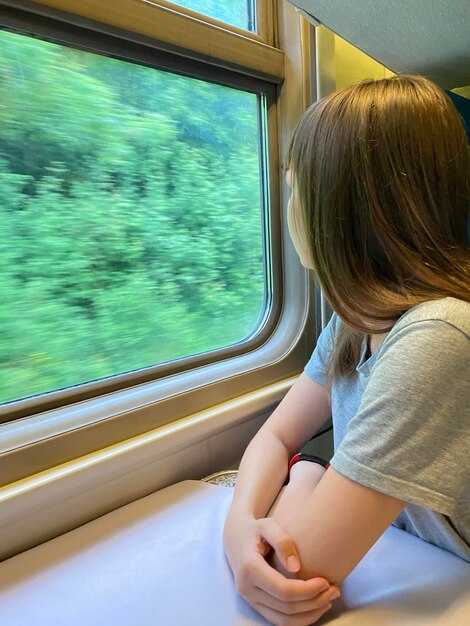
Begin with a simple icebreaker and a clear boundary. Introduce yourself and ask a light question about their plans, e.g., “Hi, I’m a traveler from atocha. What brings you on this train this evening?” If they respond with warmth, share a short travel detail and pivot to a relaxed topic like a book you’re reading; if they push for personal information or the vibe isn’t right, gracefully turn to your reading and keep the conversation short. This approach stays correct, friendly, and very respectful, and it matters when you want to preserve quiet moments between stations or in the corridor after leaving the dining car.
| Icebreaker | 언제 사용해야 하나요 | Boundaries and cues |
|---|---|---|
| “Hi, I’m a traveler from atocha–what brings you on this train this evening?” | Within the first minutes of dining service | Gauge their response; if they engage, continue; if not, shift to neutral topics or your reading. |
| “Have you read a good book lately?” | During a quiet moment or mutual interest | Bridge to a light topic; avoid spoilers or politics. |
| “Would you like to join me for a quick chat now or would you prefer to enjoy your meal quietly?” | When you want to offer company but respect quiet time | Explicit opt-out cue; if they decline, stay friendly and keep distance. |
| “What’s one destination you’re excited to reach?” | Learn about their travel style | Keep it positive; listen between questions. |
| “If you want, I can share a short tip later–tqps helps keep it light and brief.” | Structured approach when you’re open to small talk | Be brief; if they signal disinterest, drop it gracefully. |
Boundaries matter. Limit the chat to a few minutes early on, then switch to your own activity–reading, a notebook, or a calm playlist. Topics to avoid include politics, finances, and health details; instead, lean into travel plans, meals, local spots, or a light anecdote about a previous trip. If you sense the other person is pressing beyond comfort, politely steer back: “Thanks for the chat, I’ll enjoy my reading now.” If you need space, relocate to the corridor briefly or request a seat change from staff. Keep in mind that, for those who booked dining with a deposit or upgrade, you can inquire about a refund if you opt out of the seating arrangement; policies vary, so check the app or service desk. This approach protects your calm, helps you stay present, and lets you savor the journey without lapses in etiquette.
In practice, experienced travelers balance curiosity with care. A retreat to the reading can enrich your evening without shutting down a potential meeting with fellow travelers who share a love of rail travel. The key is to appear approachable but not obligated to engage, so others feel welcome to join or to leave you be. By treating the dining moment as a flexible social option, you preserve energy for the rest of the trip while remaining very considerate of others’ space and needs, from the dining car to the resort-like calm of a quiet carriage. Thanks for making this a mindful choice–your travel experience will benefit from it, and you’ll leave with better memories of the people you meet and the places you pass, even if you only paused for a moment in the corridor.