


 日本語
日本語  English (UK)
  Русский
  বাংলা
বাংলা  العربية
  한국어
한국어  Magyar
  Norsk nynorsk
  Türkçe
  עִבְרִית
  Español
  Čeština
  Svenska
  Português
  Ελληνικά
  Suomi
Suomi  Nederlands
  Română
  Italiano
  Français
  Polski
  Українська
  Deutsch
  简体中文
简体中文  Slovenčina
  Српски језик
  اردو
اردو  Azərbaycan dili
  O‘zbekcha
  አማርኛ
አማርኛ  ベトナム5日間旅程 – 忘れられない旅のための本格的な旅行プラン5選">
Start with a must-visit core that keeps travel times efficient: two days in Hanoi to explore the citadel complex, the historic temples, and the Old Quarter, then a quick flight to Hue or Da Nang to begin your central arc.
throughout the trip, balance iconic sites with local cuisine discoveries; include dishes such as pho, bun cha, and banh xeo, and plan meals that run parallel to sightseeing so you can savor flavors without slowing pace. This approach yields authentic experiences, including conversations with vendors and cooks who share tips on where to try regional specialties.
In Hue, the Imperial Citadel anchors a day of history and the kingdom legacy; markets buzz with nhieu goods, and visitors mingle with locals amid the lanes and temples. Expect some noisy streets around the riverfront, but savouring local attire and crafts adds texture to your travel notes; leave with a deeper sense of the dynasty era.
On the central coast, ride the Hai Van Pass, stroll Hoi An’s lantern-lit lanes, and explore nearby forest trails around Bach Ma National Park. Pack 服装 that breathes in humidity, and plan your visits during favourable weather; in the 月 of spring or autumn you’ll dodge the peak heat and rain.
Finish in the south with a Mekong Delta boat ride or a Saigon riverfront walk, then join a local team to learn how people in vietnams heartlands live and work. The plan uses a flexible pace so you can taste less crowded sites, buy fresh goods at markets, and leave room for spontaneous stops that reveal more about culture and daily life.
Night Train to Sapa and Town Orientation
推奨: In vietnam, book a soft sleeper cabin on the Hanoi-Lao Cai night train. It fits a tight schedule and keeps you rested for a full day among mountain villages. A 4-berth compartment provides privacy; expect roughly $60–$90 per person in peak season, cheaper during shoulder periods.
On board, you soak in views of emerald valleys as the track winds through terraced hills. The ride carries an immersive vibe, with friendly staff and a quiet carriage; you can nap through the long hours and wake near dawn refreshed.
At Lao Cai, hop into a covered minivan or private car along a winding road to Sapa, about 1–1.5 hours. The first mist over pine forests signals the real mountain atmosphere of the region, and the town center greets you with markets and easy access to eateries.
Drop your bags at your stay, then orient with a quick walk: the central square, the marble church, and a stroll past markets where locals sell herbs, coffee, textiles, and woven goods. The vibe is real, and the people are approachable; grab a map and sketch a short plan to hit the places you want most.
For breakfast, try a cafe with strong local coffee and breakfasts that nod to spanish influence. This start sets you up for an immersive day along the road and into hillside trails.
Fansipan and Ham Rong Mountain stand out for awe-inspiring views of the emerald valley. The path is winding, with terraces and lookout points that reveal the town from above. Look for champa-inspired carvings in village temples and nearby hillside hamlets–the details offer a real sense of place.
Evening brings a busy but manageable vibe; choose a stay that offers flexible deals so you can save on breakfasts and still enjoy easy access to the markets. If you plan ahead, you’ll avoid the biggest crowds and can visit more places in a relaxed pace. For a quick wrap, consider a short show by local performers near the square to cap the day, then rest up for another sunrise in this mountain town.
Trek Lao Chai and Ta Van with a Local Homestay
Choose a guided Lao Chai–Ta Van trek with a local homestay for an authentic immersion. The 6–8 km route unfolds over 4–5 hours, with sections ranging from shaded forest paths to terraced slopes that rise toward Ta Van. Depart Sapa Town early, around 8:30–9:00, to catch sunrise over Muong Hoa valley and finish at a Giay-family home before lunch.
izitour offers this trek with transfers from Hanoi or hcmc, and you can reserve in advance to secure a homestay and a patient local guide. They present various options, including a short version for time-strapped travelers or a deeper stay for lovers of heritage, all designed to maximize convenience and minimize delays.
Inside Ta Van, the homestay is designed to welcome travelers and reveal heritage through daily life. The family often cooks breakfasts together, and dinners showcase seasonal vegetables; a small basket-making demonstration is common, and thien helps translate for non-Vietnamese guests. You can admire the terrace farms, the village lanes, and the way locals keep traditions alive.
Tips for the trek: wear sturdy shoes, bring a lightweight rain jacket, and carry a compact daypack; you can choose alternatives to larger tours by staying in Ta Van instead of returning to Sapa; transfers back are reliable, and izitour can arrange pickup for your convenience. What you gain is a window into the country’s heart, an experience that once you try, you’ll want to repeat with friends or lovers of unique travel.
Fansipan Summit: Cable Car and Valley Views
Take the Fansipan cable car for a swift ascent to the summit and relish the valley views below.
The ride lasts about 15-20 minutes, covers roughly 6 km, and elevates you to 3,143 meters above sea level. At the summit station you’ll find a viewing deck and a small sanctuary where incense burns gently during morning prayers. Expect clear sightlines on dry days, and be prepared for cooler winds up top. Tickets are sold in dong; typical round-trip prices hover around 700,000–900,000 dong for adults, with discounts for children.
Afterward, observe the mountains opening up before you and savor the tranquil air that contrasts with the noisy streets of Sapa. Hello, travelers; this experience blends nature with the region’s cultures and ethnic communities, adding significance to a well-planned holiday.
Suggested plan (one-day focus):
- Rise early to take the first cable car for quieter decks and softer light.
- Spend time on the summit platform, then descend to the lower terraces for easy walks among pine forests.
- Rent a bike to explore nearby villages and the ninh countryside, where cooking demonstrations show authentic local flavors.
- Join a shortExplore-mosaic of cultures at a village sanctuary to meet residents and learn about their crafts and daily life.
What to do below the summit: stroll through markets, sample regional dishes, and visit nearby museums or cultural centers that illuminate the area’s heritage. The experience connects you with the mountains, several ethnic communities, and a sense of unity among locals who welcome visitors with warm hospitality.
実践的なヒント:
- Best times: sunrise for dramatic silhouettes; later afternoon for softer light and fewer crowds.
- Wear a windproof jacket, sturdy shoes, and bring a water bottle; temperatures up top can be cool even on warm days.
- Budget: plan around 1,000,000 dong for a comfortable day including snacks and small souvenirs.
- Photography: prioritize the deck views; shadowed pine trails offer enchanting angles for wide shots.
Relaxation and culture hinge on balance: after the ascent, take time to sit with the valley’s quiet and reflect on the region’s diverse cultures and ethnic traditions. This stop is not just a ride; it’s a chance to connect with a united community, while enjoying a tranquil moment that complements a full holiday itinerary.
Bac Ha Market Day Trip: Vendors, Food, and Culture
Start your Bac Ha Market Day Trip with a pre-dawn pickup to catch the market at its liveliest; these hours run from 7:00 to 12:00, with the best bargaining and color between 8:00 and 11:00. Bring cash in small notes, a light bag, and an open mindset to connect with locals. Booking a small-group option on tourradar helps you secure a local guide who can explain what you see, pass between stalls smoothly, and keep the day comfortable for groups and solo travelers alike. These arrangements reduce missed meetups and ensure you don’t miss the best moments.
Vendors and Scenes
In the center of Bac Ha, stalls spill into dusty lanes where these groups gather: Hmong artisans weaving bright textiles, Dao craftspeople with carved wood, and horse traders with small herds for sale. Markets overflow with roasted corn, dried herbs, berries, and handmade baskets. Negotiation is expected; start at 40–60% of the first tag and meet in the middle. The color and texture are rich, and many vendors attach stories to patterns; ask to hear the tale behind a scarf or bag. A local legend speaks of a dragon guiding boats along the waters, a detail echoed in embroidery and motifs you’ll see today. The place buzzes with music and laughter, and you’ll notice a calm moment if you step aside to watch a family weave or prepare tea. These scenes also give a glimpse into hoan crafts and daily routines, which many visitors discover only when they slow their pace and observe. From here, you can take a short trek to nearby terraces with lush views, then return to finish your market circuit.
Food, Culture, and Practical Tips
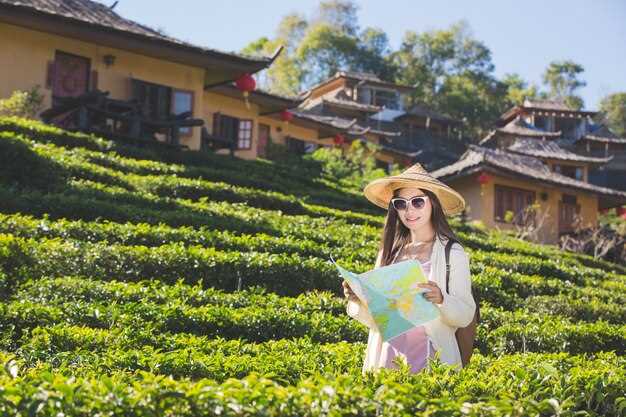
Try grilled pork skewers, sticky rice, corn soup, and herbal teas; these meals are simple, satisfying, and a great way to fuel a longer day of touring. For a deeper taste of the region, sample thang co if it is available, or try a hearty noodle dish from a vendor near the square. Wear flat shoes and carry water, as you’ll walk on uneven ground and through tight alleys. Plan to stay 2–3 hours here before the next stop, such as a short trek to a hilltop for a panoramic view. If you’re pressed for time, focus on textiles and horse-trade stalls first, then swing back to the center for coffee and conversation. Today you’ll leave with a richer sense of daily life, a few vivid photos, and memories of a market that truly reflects regional culture and craft.
| Aspect | 説明 | ヒント |
|---|---|---|
| Opening hours | 7:00–12:00; peak action 8:00–11:00 | Arrive early, carry small cash |
| 何を買うか | Textiles, silver, wood crafts, dried fruits | Negotiate; start 40–60% of initial tag |
| Food to try | Grilled meats, sticky rice, corn cakes | Sample small portions; pace yourself |
| Photo tips | Colorful stalls, terraced hills nearby | ポートレート撮影の際は許可を求めてください。 |
ムオンホア渓谷の村歩きと絶景の棚田
ムオンホア渓谷のガイド付きウォーキングを予約して、日の出から夕方まで充実した体験をお楽しみください。石灰岩の崖、古代の棚田、地元の人が伝統工芸を守り続けている村々の間を縫うように道が続いています。パッケージを予約された場合、ガイドはお客様のペースや写真撮影のニーズに合わせて立ち寄り場所を調整し、ターヴァンとラオチャイへの訪問を確実にし、人混みを避けます。.
周辺地域諸国からの旅行者はこの谷を訪れます。自由に立ち寄れる場所があり、川沿いでリラックスする時間もあるこの没入感あふれるルートは、日帰りにぴったりです。タヴァンやラオチャイを訪れると、丘陵地帯の生活の物語を知り、農業のサイクルについての知識を深めることができます。谷はムオンホア川に沿って走り、段々畑と険しい山々の広大な景色を望めます。朝の光は石灰岩の壁をクアンの色合いで彩り、ルート沿いの丘の中腹にある聖域は、道がタヴァンに到着する前に静かな休息を与えてくれます。.
ルートの距離はおよそ8~12kmで、緩やかな下り坂と石段があります。写真撮影や休憩を含め、全行程には4~5時間を見てください。タヴァンでは、モン族やザオ族の職人から手工芸品や織物を購入して、家族を支援することができます。また、地元の人々と農作業のサイクルや季節の味について、数分ほど会話を交わすこともあるでしょう。雨上がりには、道端のいくつかの水たまりが小さな湖になり、リフレクション撮影に最適です。.
持参するもの:丈夫な靴、水筒、日焼け止め、軽い雨具。コンパクトなレンズ(18~55mm)または小型ズームがあれば、広い谷の風景やテラスの細部を捉えるのに役立ちます。また、グリッド線が表示できるスマートフォンは構図の助けになります。乾季に訪れる場合は、緑が淡い石灰岩と調和し、収穫期には、金色が湖や畑の縁に深みを加えます。.
棚田沿いの写真撮影のヒント
まずはワイドショットで谷と遠くの山々を捉え、それからテラスの質感に寄ってください。朝の撮影では太陽を背にして、強い影を避け、午後の遅い時間帯にはサイド光に切り替えて、壁にリムライトを当てましょう。水面に反射する光を捉えるには、遅めのシャッター速度で雨でできた湖や池の表面を滑らかにし、前景から水平線へと視線を導くラインを探してください。このアプローチは、興味深い画像を生み出し、このトレイルを訪れる際に見過ごしてしまうかもしれない細部を発見するのに役立ちます。.