


 日本語
日本語  English (UK)
  Русский
  বাংলা
বাংলা  العربية
  한국어
한국어  Magyar
  Norsk nynorsk
  Türkçe
  עִבְרִית
  Español
  Čeština
  Svenska
  Português
  Ελληνικά
  Suomi
Suomi  Nederlands
  Română
  Italiano
  Français
  Polski
  Українська
  Deutsch
  简体中文
简体中文  Slovenčina
  Српски језик
  اردو
اردو  Azərbaycan dili
  O‘zbekcha
  አማርኛ
አማርኛ 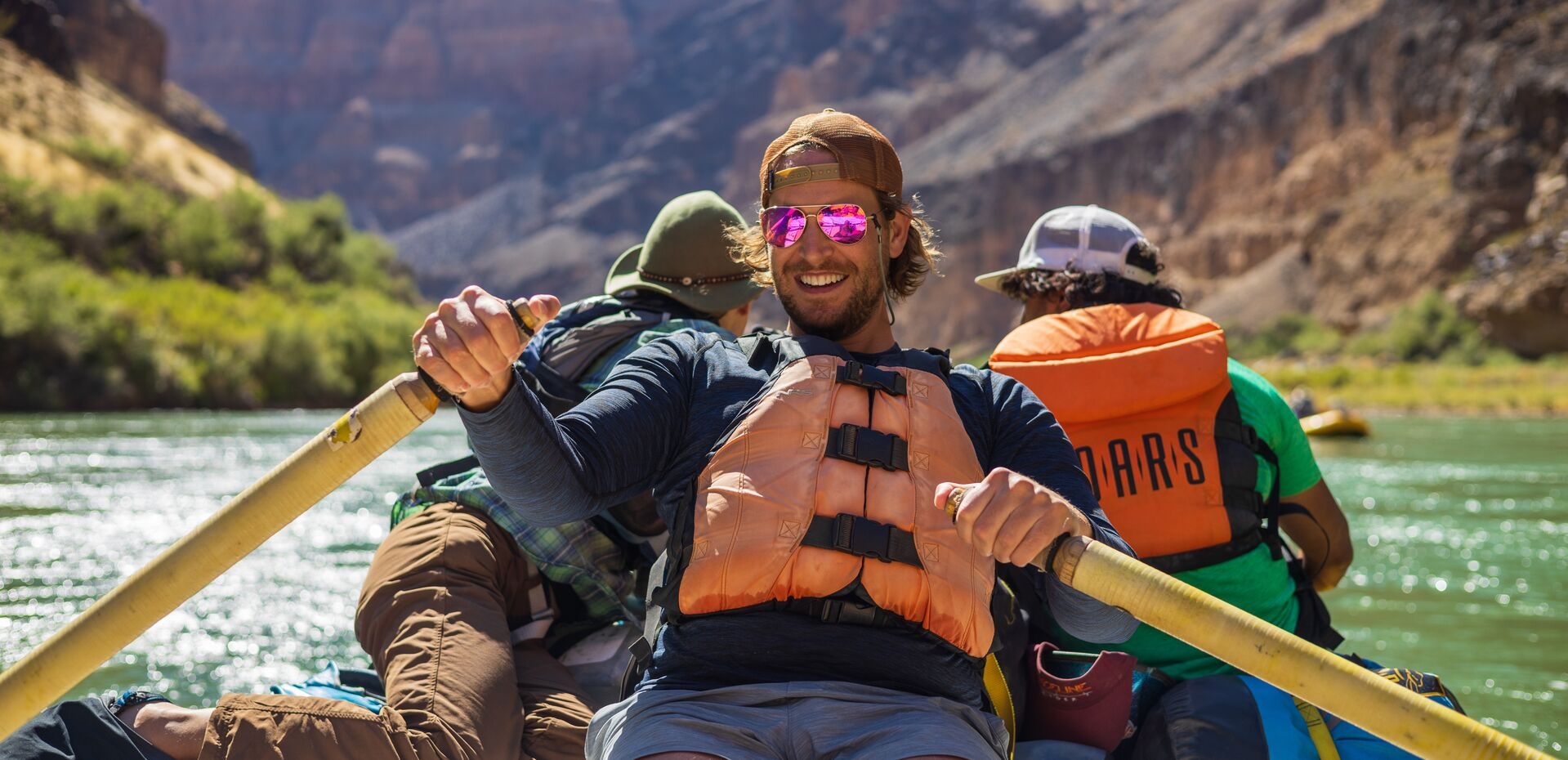 河川航行の安全性と上流・下流の危険に直面するボート愛好家のための実用的なヒント">

Near structures such as low-head dams and bridge pilings, flow separates and creates strong recirculating currents and powerful hydraulics that can hold small craft stationary; skippers should reduce speed, approach at a shallow angle, and maintain at least one boat length of clearance from pilings to allow for safe maneuvering and recovery.
Common River Hazards and How They Affect Transit
Rivers introduce distinct challenges compared with lakes or coastal waters. The primary hazards encountered by recreational and commercial river users include strong currents, submerged rocks, strainers (downed trees and brush), low-head dams, sudden depth changes, and floating debris. These features influence navigation choices, docking logistics, and passenger safety on tours and charters.
- Currents: Upstream travel requires sustained power and steering control; downstream travel increases speed and reduces reaction time.
- Strainers and submerged objects: Often invisible from the surface; they can trap a vessel or swimmer.
- Low-head dams: Create a uniform roller that is deceptively calm from upstream but forms a dangerous recirculating hydraulic downstream.
- Bridge zones: Pilings and uneven flow produce eddies and turbulence that complicate approach and anchoring.
How These Hazards Change Decisions for Operators
Tour operators, ferry services, and private skippers must factor current speed, channel width, and obstacle density into route planning. For tourism activities—such as guided kayak trips, rafting excursions, or sightseeing launches—route selection determines the grade of difficulty, required safety equipment, and staffing levels for guides and rescue-ready crew.
Practical Safety Measures for Upstream and Downstream Boating
On-river safety is as much about preparation as it is about on-the-water technique. Adopt these measures to reduce risk and improve the visitor experience when operating or joining excursions.
- Wear a properly fitted life jacket at all times—this is the single most effective immediate protection.
- Check flow and weather forecasts and local notices for dam releases or sudden water level changes.
- Scout unfamiliar sections on foot or from shore before committing a larger group to transit.
- Avoid alcohol and drugs while operating or guiding watercraft.
- Bring safety gear: whistle, throw rope, first-aid kit, and a reliable means of communication.
Technique Tips for Those in the Water
If capsized or swimming, float on your back with your feet downstream to fend off rocks and to push off obstacles; never attempt to stand in fast-moving water due to the significant risk of foot entrapment. When steering a craft, point the bow into the current for control and work at an angle toward shore rather than fighting the flow directly.
| Hazard | Mitigation |
|---|---|
| Low-head dam | Maintain distance, portage when necessary, and post clear signage for tour groups |
| Strainers | Avoid the area, exit upstream if possible, and use spotters during guided trips |
| Bridge pilings & eddies | Approach slowly, angle toward the bank, and use experienced helmsmen for tight passages |
Education, Guides, and Regulatory Considerations
Formal boater education reduces incidents and raises service standards for tourism providers. Courses—such as those offered by ボートエド—cover life jacket selection, navigation rules, rescue procedures, and local regulations. Many jurisdictions require proof of education for motorized craft operation; for commercial tour operators, compliance with local permitting and safety briefings is essential to protect guests and reputation.
Implications for Tourism Operators
Operators can turn safety into a selling point: clear briefings, visible safety equipment, and responsibly chosen routes increase customer trust and lead to repeat bookings. For travel planners, noting current-dependent difficulty and equipment needs helps match clients with the right experience—whether a calm museum tour with a riverside walk or an adventure rafting trip for beginners.
Understanding river hazards matters both for safety and for crafting attractive, marketable experiences. Even the most detailed guidelines and honest reviews can’t substitute for firsthand experience: trying a guided river trip is the best way to learn how upstream and downstream dynamics feel in practice. On GetExperience, you can book experiences from verified providers at reasonable prices, with transparent payment and voucher confirmation, and submit custom requests to receive tailored offers that match your preferences. Book now ゲット・エクスペリエンス・ドット・コム
In summary, safe river navigation depends on recognizing hazards—strong currents, strainers, low-head dams, and bridge turbulence—equipping appropriately, scouting routes, and investing in boater education. These practices support better travel experiences and enable a range of activities from eco-friendly wildlife safaris and museum tours with live guides to adventure rafting trips for beginners and luxury adventure travel experiences. Whether you’re planning cruise packages, yacht parties, or interactive online cultural workshops tied to shore excursions, prioritizing safety and local knowledge ensures memorable, low-risk outings and improves the quality of both guided and independent travel experiences.