


 日本語
日本語  English (UK)
  Русский
  বাংলা
বাংলা  العربية
  한국어
한국어  Magyar
  Norsk nynorsk
  Türkçe
  עִבְרִית
  Español
  Čeština
  Svenska
  Português
  Ελληνικά
  Suomi
Suomi  Nederlands
  Română
  Italiano
  Français
  Polski
  Українська
  Deutsch
  简体中文
简体中文  Slovenčina
  Српски језик
  اردو
اردو  Azərbaycan dili
  O‘zbekcha
  አማርኛ
አማርኛ 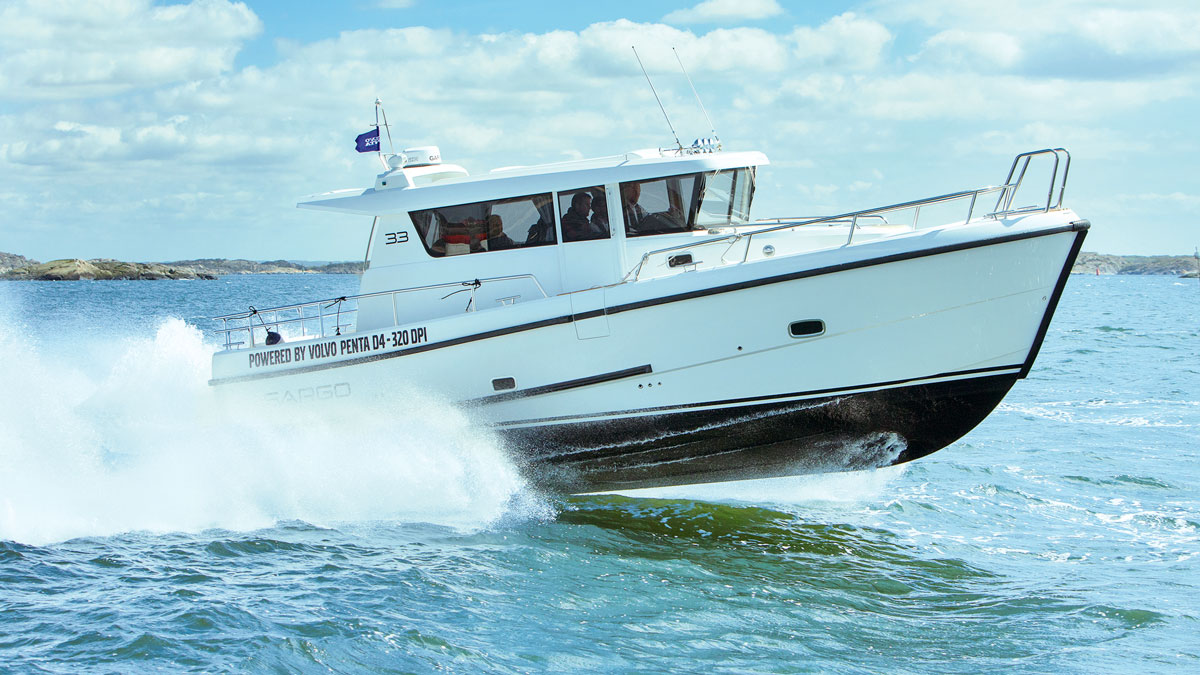 燃費を向上させるための操船術:エンジンケア、船体トリム、プロペラピッチによる効率的な航行">

Planing motor cruisers can burn up to one gallon per mile, while many recreational boats average only about 50 engine hours per year, making standing faults from corrosion and lack of use a larger threat than cumulative mileage.
Clean hulls and well-maintained stern gear — immediate savings
The clearest single efficiency gain comes from reducing hull and appendage resistance. A pre-season scrub and fresh antifouling can lower fuel use by more than 8% over a season. Stern gear — propeller, struts, skegs and trim tabs — should also be kept clean and protected with appropriate antifouling or silicone coatings that let slime and fouling slide off once underway.
Visual inspection of the propeller for cavitation, nicks or misalignment is essential; damaged blades produce vibration, inefficient thrust and uneven bearing loads. Mid-season hull checks — or an opportunistic scrub when drying out — will prevent slime developing into barnacles that shorten coating life and increase drag.
Service intervals and engine health
With low annual hours, it’s tempting to stretch service intervals, but routine maintenance is not optional. Blocked filters, slipping belts or degraded impellers cause inefficient combustion and higher consumption. Modern common-rail diesel engines are fuel-efficient, yet still demand regular oil, filter and gearbox/drive leg servicing for optimum performance.
Propeller choice and pitch: match to cruising profile
Propeller selection remains partly art, partly science. Manufacturers can recommend suitable diameter and ピッチ, but consider matching pitch to your usual cruising speed rather than maximum top speed. The most economical cruise is typically achieved around 70% maximum rpm. Overpitching causes labouring and dark smoke; underpitching makes the engine over‑rev.
New designs such as the Sharrow prop aim to increase torque and efficiency. Self-pitching or feathering props (e.g., Brunton’s EcoStar) auto-adjust to load and can improve fuel economy in mixed conditions and aid hydro-regeneration under sail.
Hull trim, stabilisers and aerodynamic drag
Proper weight distribution and trim have large effects. Extending waterline length on displacement boats and reducing bow-up attitude on planing hulls lowers resistance. Mechanical aids — power trim, trim tabs or modern electronic interceptors like Humphree Interceptors — keep the hull at its ideal angle of attack for lower consumption.
Stabilisers (fin, rotary, gyro) can reduce wasted energy from roll and pitch; gyro units are now accessible to boats from around 22ft and improve comfort as well as propulsion efficiency. Reducing 偏流 — by stowing biminis, folding dinghies and minimizing exposed gear — also cuts aerodynamic drag on long passages.
Use weather routing and voyage planning
Small changes in departure timing to exploit wind-with-tide conditions make passages smoother and can save fuel. Recreational sailors can use the same routing apps and chartplotter tools as commercial operators to find the path of least resistance and sail or motor at the most economical speeds.
Monitoring, weight management and refuelling strategy
Digital fuel-flow monitors and integrated sensors from companies like Actisense, Maretron and solutions such as Yacht Sentinel let owners log fuel consumption against speed, sea state and hull condition, spotting inefficiencies before they become faults.
Minimizing unnecessary weight — partially filling tanks until a passage demands full capacity, removing unneeded gear — directly reduces energy needs. Shopping around for fuel prices and arranging bulk deliveries for flotillas can also cut costs.
Quick checklist — ten practical actions at a glance
- Scrub and antifoul hull and stern gear before season.
- Inspect and repair propeller; renew anodes annually.
- Keep up with scheduled engine and gearbox servicing.
- Match propeller pitch to cruising profile.
- Trim weight and redistribute stores for optimal waterline.
- Use trim tabs, power trim or interceptors for ideal attitude.
- Plan passages with weather routing to avoid head seas.
- Reduce windage by stowing loose gear and canvas.
- Fit monitoring instruments to track fuel flow and performance.
- Compare fuel prices and consider collective refuelling options.
| 測定 | Typical fuel saving | ノート |
|---|---|---|
| Antifouling & hull cleaning | Up to 8%+ | Seasonal benefit; mid-season touch-ups recommended |
| Correct propeller & pitch | 5–15% (dependent on mismatch) | Small cost, large long‑term payoff |
| Hull trim & interceptors | 10–20% on planing hulls | Improves speed and comfort |
For tour operators and charter businesses, these measures reduce operating costs and improve margins on クルーズ・パッケージ そして イベント専用ヨットチャーター. For enthusiasts seeking ヨットパーティー or eco-friendly outings, better fuel economy means longer trips, lower emissions and more time on the water.
At a glance: real-world data beats speculation. Reviews and advice are valuable, but nothing substitutes for first-hand testing under your own load and sea conditions. On GetExperience, you book experiences from verified providers with secure payments and voucher confirmation afterward, and you can submit requests for custom tours or excursions to receive offers that match your needs. This transparency and convenience help you choose wisely and avoid unnecessary costs or disappointment. Book your Trip ゲット・エクスペリエンス・ドット・コム
In summary, incremental savings from antifouling, correct propeller selection, routine servicing, hull trim and modern monitoring add up to significant reductions in fuel use and cost. These measures benefit operators of サファリツアー, museum tours with live guides, adventure activities and luxury adventure travel experiences alike by improving efficiency and passenger comfort. Whether planning 初心者向けアドベンチャー・ラフティング・ツアー, 配置 オンライン・バーチャルツアー or preparing for a charter, focus on propulsion, weight, trim and routing to deliver better travel experiences. Personal testing combined with careful monitoring will always be the final arbiter of what works best for your boat.