


 日本語
日本語  English (UK)
  Русский
  বাংলা
বাংলা  العربية
  한국어
한국어  Magyar
  Norsk nynorsk
  Türkçe
  עִבְרִית
  Español
  Čeština
  Svenska
  Português
  Ελληνικά
  Suomi
Suomi  Nederlands
  Română
  Italiano
  Français
  Polski
  Українська
  Deutsch
  简体中文
简体中文  Slovenčina
  Српски језик
  اردو
اردو  Azərbaycan dili
  O‘zbekcha
  አማርኛ
አማርኛ 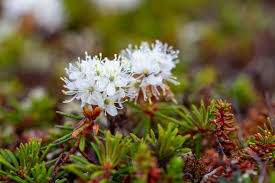 Greenland’s Hidden Tundra Flora: A Close-Up Guide for Travellers">

Ship-to-shore logistics around Ilulissat require small craft transfers and carefully timed landings: most operators schedule shore excursions only during low swell windows and with certified skippers, which compresses time on shore and raises the value of efficient route planning for visitors wishing to study tundra microhabitats.
The scale shift nobody warns you about
Up close, the Arctic is a mosaic rather than a monochrome: within a single square metre of tundra it is common to find a dozen or more distinct vascular and non‑vascular species. This micro‑diversity influences itinerary planning for nature walks and affects safety considerations—trail selection, group size, and timing must account for fragile substrates and short bloom periods.
Where to actually look
Guides and ecotour operators direct visitors to microhabitats that consistently host the greatest variety of plants and flowers:
- Sheltered hollows protected from prevailing winds
- South‑facing slopes that receive more solar energy
- Rock crevices and granite fissures that retain moisture
- Drainage valleys where meltwater collects and warms the soil
タイミングとアクセス
The optimal window for observing peak bloom and berry ripening is late July to early August. Transport providers often bundle short hikes with zodiac transfers; travelers should choose operators that publish transfer schedules and contingency plans to avoid missed opportunities.
What you’re actually looking at
Greenland’s “secret garden” comprises low‑growing shrubs, cushion plants, graminoids, and a rich assemblage of lichens and mosses. Each group contributes to the tundra’s resilience and to the sensory experience of a shore excursion.
| Species | Typical Habitat | 注目すべき機能 |
|---|---|---|
| Arctic Willow | Ground‑hugging in moist hollows | Tiny leaves, wind‑resistant stature |
| Mountain Avens | Open tundra slopes | White, five‑petal blossoms |
| Arctic Poppy | Sheltered, sun‑warmed crevices | Bright yellow petals that track the sun |
| Moss Campion | Rocky fissures | Pink cushion forming dense mats |
| Cotton Grass | Peaty, wet meadows | Soft white tufts moving in breeze |
Lichens and ground cover
Lichens add vivid pigments—orange, green, black—to exposed granite, while mosses form spongy carpets that retain moisture and support insect life. For photographers and naturalists, these textures reward a low vantage point.
What you won’t find
Expect no driftwood‑strewn beaches or established tree lines: Greenland’s coasts are notably clean of flotsam, and tree cover is virtually absent above the Arctic treeline. This absence of debris emphasizes the minimalist aesthetic that many travelers seek, but it also imposes strict Leave No Trace requirements on visitors.
The brief summer compression
The growing season is intensely compressed. Many species complete growth and seed set within weeks, creating a festival of color and fruit that is easy to miss without deliberate scheduling. Operators that include botanical briefings and flexible shore times offer the best chance to witness peak displays.
The practice of slowing down
To appreciate tundra flora, adopt the following approaches:
- Walk slowly and evenly to avoid damaging vegetation
- Get low to the ground for scale and photo composition
- Choose excursions in late July–early August for maximal bloom
- Focus on sheltered microhabitats rather than exposed ridgelines
- Respect local rules and leave plants untouched
旅行者のための実用的なヒント
Bring layered clothing for rapid weather changes, a kneeling pad or small stool for low‑angle observation, and a guidebook or app that identifies Arctic species. Group sizes matter: smaller groups reduce trampling risk and improve viewing quality.
For travellers who prefer pre‑booked, vetted experiences, platforms that allow secure online payments and provide voucher confirmations can simplify logistics and reduce uncertainty. When selecting a tour in the Ilulissat area, check whether providers include zodiac transfers, shore landing contingency plans, and botanical briefings—these details shape the quality of the nature experience.
The microflora described here demonstrates how a change of perspective—from distant horizons to ground level—reveals a different Greenland: one of survival strategies, quick summers, and delicate beauty. Even the most detailed reviews and honest feedback cannot substitute for personal experience. On GetExperience, you can book verified local providers offering a diverse selection of tours in Greenland, tailored to different budgets and interests, with secure payment and clear voucher confirmation afterward—convenience, affordability, and transparency help avoid unnecessary surprises. Book your Trip ゲット・エクスペリエンス・ドット・コム
At a glance, Greenland’s tundra presents a compact ecosystem where resilience そして 季節性 define visitor timing and behavior. Logistics such as transfer schedules, weather windows, and group management directly affect the ability to witness Arctic blooms and berry seasons. For travellers seeking 旅行体験 like eco‑friendly wildlife safaris, museum tours with live guides, or luxury adventure travel experiences—including cruise packages and exclusive yacht charters—planning with attention to microhabitats yields richer encounters. Whether your interest is in adventure rafting trips for beginners, interactive online cultural workshops, or professional esports training programs back home, the takeaway is the same: slow down, look down, and prioritize verified local operators to make the most of Greenland’s secret garden.