


 日本語
日本語  English (UK)
  Русский
  বাংলা
বাংলা  العربية
  한국어
한국어  Magyar
  Norsk nynorsk
  Türkçe
  עִבְרִית
  Español
  Čeština
  Svenska
  Português
  Ελληνικά
  Suomi
Suomi  Nederlands
  Română
  Italiano
  Français
  Polski
  Українська
  Deutsch
  简体中文
简体中文  Slovenčina
  Српски језик
  اردو
اردو  Azərbaycan dili
  O‘zbekcha
  አማርኛ
አማርኛ 
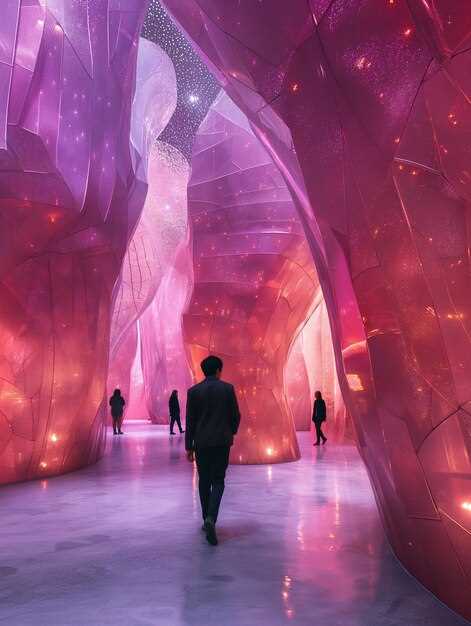
Welcome to an experience unlike any other–an opportunity to explore the Museum of The Future, a unique testament to innovation and creativity nestled in the heart of the Emirates. This visionary space is not just a building; it’s a piece of art that reflects the very essence of what lies ahead. With its shiny glass façade and floating design, the museum invites visitors to embark on a path of discovery that melds technology, art, and societal advancement in fascinating ways.
During your visit, you can take part in guided tours that unfold the distinct chapters of human ingenuity. Tickets are available at a very convenient price, allowing you to delve into the myriad exhibitions that reveal what the future holds. Each exhibit is carefully curated to inspire thoughts about the future, addressing significant aspects of our society and the environment. You’ll definitely want to keep the Museum of The Future in mind the next time you think about places to visit in the United Arab Emirates.
Once inside, the experience is designed to open up an entire new world. With escalators and elevators strategically placed, movement within the museum is a breeze. You can walk through the different levels, all while enjoying stunning views from the observatory that offer a window into the ever-evolving landscape of innovation. It’s important to note that the museum’s timings are crafted to accommodate the schedules of every visitor, and taxis are nearby for easy accessibility.
So, whether you’re a local resident or a traveler exploring this extraordinary emirat, the Museum of The Future is an experience you won’t want to forget. Thankful for the sound services and thoughtful policy that prioritizes visitor comfort, you can walk away with a renewed sense of wonder and inspiration. The future is bright, and this museum is a beacon of what is to come, offering everything from hands-on exhibits to immersive shows that challenge the limits of imagination.
Discovering the Museum’s Unique Exhibits
The Museum of the Future, located in Dubai, is not just a structure but a リビング testament to innovation and creativity. As visitors enter this iconic building, they are immediately transported into a world where every exhibit tells a story of what could なる. Each section of the museum offers a chance to explore advanced technology that aims to enhance our daily lives and the environment.
One of the most popular attractions is the floating replica of Sheikh Zayed’s vision for the future. This immersive exhibit allows guests to step into an almost otherworldly realm where they can see what the future may hold. The exhibit showcases elements of sustainability and advancement, making it an opportunity to note the importance of technology in shaping our world. Visitors often find themselves looking closer and pondering the possibilities.
For those seeking interaction, the museum offers a series of masterclasses that delve into specific themes showcased throughout the building. Each masterclass aims to provide insight into technological breakthroughs and innovations, making it a special イベント for enthusiasts and experts alike. Participants often leave with a greater understanding of how money and resources allocate towards tech development.
The one-of-a-kind experience of the Museum spans numerous tours that allow guests to discover unique exhibits at their own pace. With each stop on the road through the museum, visitors can engage with different interactive displays ranging from robotics to AI advancements. These tours are structured but also allow for spontaneous exploration, ensuring no one forgets their visit.
The environment within the museum is designed to spark creativity and innovation, with a breakdown of thematic zones illuminating various facets of future technology. The dimly lit sections add an element of intrigue, guiding guests through a narrative filled with surprises. The displays are meticulously crafted to showcase not just technology, but also the gold standard of human ingenuity.
In opinion, one of the highlights is the chance to view exhibits such as the “Tomorrow’s City,” which imagines urban landscapes with sustainable structures. This visionary installment challenges guests to think about the intersection of life and technology in future communities, all in a mere few minutes. Every corner of the museum compels attendees to consider how we might better our world.
For those looking to make their experience memorable, it is advisable to plan their visit well. Ensuring to prioritize stops or shows that catch the eye can save time and enhance the experience. The Museum of the Future is a place where technology and imagination collide, offering a peek into the future worth every second spent there.
What Are the Key Themes of the Exhibits?
The Museum of the Future in Dubai is a marvel of modern design and innovation that captures the essence of what the future holds for society. One of the key themes explored in the exhibits is the advancement of technology and its impact on daily life. Visitors witness installations showcasing futuristic gadgets, smart homes, and digital ecosystems that demonstrate how technology can simplify and enhance our everyday experiences. The shiny galleries invite guests to engage with interactive models, highlighting how seamless integration of technology can transform living spaces into more efficient and comfortable environments.
Another important theme is the concept of mindfulness and meditation, which juxtaposes the rapid pace of technology with the need for personal well-being. Curators have created spaces that encourage reflection and self-discovery, demonstrating that balance is essential in a world driven by progress. These meditation areas offer activities designed to help visitors reconnect with their minds. The focus on mental health is vital in today’s society, as more people strive to find harmony between work and personal life amidst their fast-paced routines.
- Masterclasses: Engaging sessions held throughout the week that provide insights into cutting-edge developments.
- Events: Special programs bringing together experts to discuss the future of various species and their habitats.
- Collection: A diverse assortment of writings and artistic interpretations centered on future possibilities.
Moreover, the museum serves as a counter to traditional exhibits by presenting the idea that museums can also be places of entertainment and innovation. It challenges the perception of what a museum is and what it can achieve. Each themed gallery, from the eco-friendly initiatives aimed at saving the planet to installations that forecast the urban landscapes of tomorrow, provokes thought about the implications of human development. Visitors leave with a lasting impression of the potential future, making the price of entry ultimately worth the experience. The Museum of the Future certainly embodies the vision of Sheikh Mohammed bin Rashid Al Maktoum for Dubai to be a leader in creativity and invention.
How Do Interactive Displays Enhance Visitor Experience?
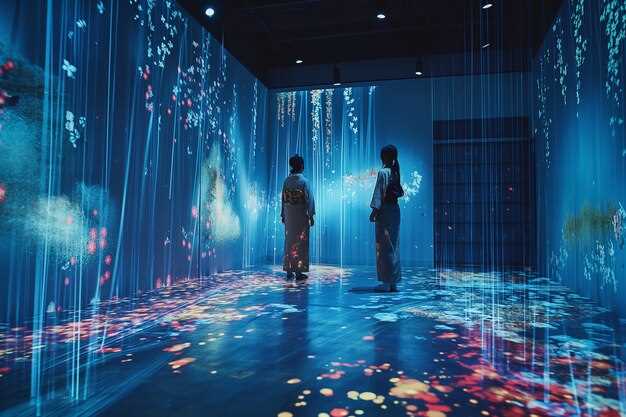
Interactive displays have revolutionized the way visitors engage with museums, turning what was once a passive experience into a vibrant chapter of innovation. In the Museum of The Future, these displays are prominent features that encourage young and old alike to become active participants. The captivating elements of technology, such as robots and augmented reality, create a unique environment that guarantees a memorable visit.
One of the most significant advantages of interactive displays is their ability to draw visitors closer to the exhibits. For instance, accessing a small window of information through an interactive screen allows guests to delve deep into the history behind each display. Timings can be adjusted for those who might want only a brief overview or an in-depth exploration, making it a convenient resource for various types of visitors.
The architectural design of the museum also complements these interactive experiences. Features like elevators and virtual tours allow people to navigate the space efficiently. As guests move from one exhibit to another, they often encounter dynamic installations that provide flying views of the past, reimagining history through advanced technology. This system transforms the whole process of viewing, ensuring that every moment spent in the museum is engaging.
Moreover, these displays often include elements tailored for specific demographics. For example, specialized content for adults shows how certain innovations have impacted society, whereas younger audiences might explore fun, gamified interactions. This division makes it easier for curators to design experiences that resonate with a broad spectrum of visitors, ultimately enhancing overall satisfaction.
The interactive nature of the museum isn’t limited to screens. Digital touchpoints encourage visitors to take charge of their experiences by customizing what they see and learn. Instead of static information, guests can expect a rich, layered engagement with content; this guarantees that the memories created will be long-lasting and meaningful.
Additionally, interactive displays serve as a counter to age-old notions about museums being dimly lit, quiet places. They reinvigorate that perception by offering a trade of traditional respect for history with modern, eye-catching technology. Each interaction provides insights and experiences that would otherwise be missed, ensuring that guests do not forget their time spent in such an innovative space.
Furthermore, with the observatory-style views available at the Museum of The Future, visitors are treated to a panoramic experience that enhances the storytelling aspect. The combination of interactive and scenic elements cultivates an atmosphere that is both educational and visually stunning. Close attention to the integration of displays and architecture invites guests to engage fully in the narrative of the Emirate’s past and future.
In conclusion, the interactive displays are not merely an additional feature; they are central to the visitor experience. They bridge the gap between the past and future, highlighting the role of technology in the modern museum context. As visitors traverse this well-designed space, it becomes clear that each innovation is a vital part of a larger story, one that is worth exploring in depth.