


 日本語
日本語  English (UK)
  Русский
  বাংলা
বাংলা  العربية
  한국어
한국어  Magyar
  Norsk nynorsk
  Türkçe
  עִבְרִית
  Español
  Čeština
  Svenska
  Português
  Ελληνικά
  Suomi
Suomi  Nederlands
  Română
  Italiano
  Français
  Polski
  Українська
  Deutsch
  简体中文
简体中文  Slovenčina
  Српски језик
  اردو
اردو  Azərbaycan dili
  O‘zbekcha
  አማርኛ
አማርኛ 
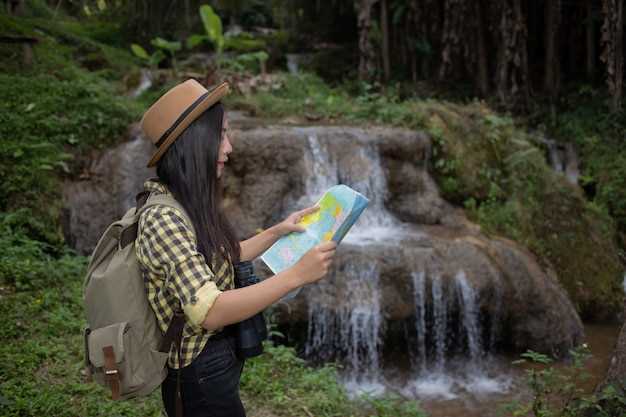
South America, a continent filled with wonders and stories that have transcended generations, invites every traveler to embark on a journey that feels both personal and universal. From the vibrant sirens of coastal cities to the shadowy depths of the Andes, this land has been tasked with holding the memories of those who have lived here, each corner whispering tales of its rich cultural tapestry. It is a place where the past and future intertwine, and where every month spent exploring its hidden gems contributes to a lifetime of unforgettable experiences.
As you turn the pages of this guide, you’ll discover how much this remarkable region offers, driven by its diverse landscapes and the warmth of its people. The great cities of Latin America, like the bustling streets of Buenos Aires and the innovative spirit of Santiago, beckon the wanderers, while the tranquil villages cradle traditions that have survived the test of time. The call of the orquídea blooms in the air, and visitors are suddenly struck by the unique rhythms of life that pulse beneath them, from the *cantoras* performing in local markets to the street vendors whose laughter echoes along the vibrant avenues.
This exploration goes beyond mere sightseeing; it is a mission to learn and understand the intricate fabric of life in South America. History weighs heavily in this land, where the graves and remnants of past conflicts remind us of the struggles–including slavery and violence–that have shaped its identity. Yet amid these issues, beauty thrives. As you traverse this continent, drawn by the promise of adventure, you will find that South America is not just a destination but a story waiting to be told–a story that belongs to every stranger you meet along the way.
文化的な洞察
South America is a tapestry woven with diverse cultures and traditions that have evolved over centuries. Travelers who enter this region will find themselves surrounded by a rich blend of indigenous and colonial influences. Each country offers a unique tale, with Argentina showcasing the passionate rhythms of tango, while Brazil captivates with its vibrant carnivals.
The Andes mountains remain central to many local legends and practices, where the rising moonlight casts an otherworldly glow on ancient graves that tell stories of those who came before. In remote areas, one can still find invisible threads of connection that bind communities together, like the elder cantoras who pass down songs through generations, acting as both historians and entertainers.
Local cuisine is another aspect that travelers cannot afford to overlook. From the spices of Peruvian pepper to the iconic dishes of Argentine asado, food serves as a refuge and a cultural landmark for many. It is through these experiences that visitors can breathe in the essence of the land and its people.
However, the Americas also grapple with contemporary issues. The plight of refugees has become a significant concern, driving many to seek safety and opportunity in neighboring countries. Local narratives from authors like Paul Charriere and Zoraida Contreras emerge in literature, reflecting the complexities of identity and belonging in a landscape marked by turmoil and resilience.
For those who wish to embark on this journey, it’s essential to be mindful of the timelines and backstories of each region. Looking beyond the surface reveals the rich layers of history–some seemingly lost in the rush of modernization, yet still palpable in everyday interactions. The notes of local musicians and the shared laughter in bustling markets remind us that culture is a living entity, ever-evolving yet rooted in deep-seated traditions.
Whether you find yourself exploring the lush Amazon rainforest or the sprawling urban east of Lima, every step taken is an invitation to connect with something greater–a reminder that, despite our differences, we are all part of this vibrant human tapestry that is South America.
Understanding Local Traditions and Festivals
In South America, local traditions and festivals offer an unforgettable glimpse into the rich tapestry of culture woven throughout the continent. Each region boasts unique celebrations that highlight its customs, history, and social relationships. Whether you are traversing the coasts of Argentina or delving into the depths of the Amazon, experiencing these events will enhance your travels.
One of the most famous festivals is Carnaval, celebrated throughout South America, with its epicenter in Rio de Janeiro. This festival showcases vibrant parades, captivating dances, and elaborate costumes that reflect the region’s heritage. If you chose to attend, you might find yourself swept away by the energy of samba bands and the joy of the local people.
In Argentina, the 聖週間 (Holy Week) is celebrated with reverence, featuring processions and religious rituals that date back for years. The festival culminates in a powerful display of faith and community bonding. If you visit during this time, consider joining locals as they participate in traditions that have been passed down through generations.
- Inti Raymi: A festival of the sun in Cusco, Peru, honoring the Inca sun god.
- Fiesta de la Vendimia: Celebrated in Mendoza, this wine harvest festival includes parades, music, and wine tasting.
- Día de los Muertos: A celebration of life and death, particularly vibrant in Bolivia and Mexico, where families honor their loved ones.
These events often reflect the relationship between the people and their environment, showcasing everything from the wind-swept landscapes of Patagonia to the lush jungles of the Amazon. As you participate, you will engage with locals, learning about the issues that matter to them today.
Traveling through South America allows you to break free from the ordinary. Consider getting a motorcycle to explore remote areas, where many festivals take place far away from the conventional tourist paths. In such locales, you might feel like an invisible observer, finding joy in the simplicity of life.
Books like those by authors such as Theroux and Charriere illustrate these adventures and relationships, providing a deeper understanding of the nuances of South American culture. Each story is a foray into adventure, setting a scene that might inspire your future travels. The winding roads you follow could lead to new friendships, insights, and unforgettable memories, wrapped in moonlight and the festive laughter of locals.
In conclusion, as you plan your trip to South America, make sure to immerse yourself in its local traditions and festivals. Each celebration is a chance to connect with the people and places that make this continent one of the greatest destinations in the world.
Exploring Culinary Delights Unique to Each Country

South America is a continent rich in culinary traditions, with every country offering its own unique flavors and dishes. In Argentina, the arrival of the Asado becomes a celebration of communal dining, where strangers gather around the grill to enjoy perfectly grilled meats. This communal aspect continues to be woven into the fabric of Argentine culture, driven by a sense of camaraderie and love for good food.
Meanwhile, in Chile, the debut of the empanada captures the essence of Chilean cuisine. These delicious pastries, filled with various ingredients, provide a quick and savory snack for locals and visitors alike. The juicy fillings often reflect local produce, and they seem to serve as both a comfort food and a source of pride for the Chilean people.
In Peru, culinary adventures take a modern twist with the rise of Nikkei cuisine, blending Japanese and Peruvian flavors. Chefs like Mitsuharu Tsumura have become renowned for their ability to write new prose in gastronomy, bringing together ingredients from jungles and coastlines to create remarkable dishes that highlight the richness of Peruvian agriculture.
Brazil, known for its vibrant culture, also shines with its unique dish, feijoada. This hearty stew of beans and assorted meats has become symbolically significant, often associated with celebrations and family gatherings. It reminds us of a history woven with a mix of cultures, where every bite tells a story of its past.
In Colombia, bandeja paisa emerges as a plate that encapsulates the country’s diversity. This dish, filled with beans, rice, avocado, and various meats, became more than just food; it represents the cultural amalgamation of indigenous, African, and Spanish influences, each ingredient breathing life into a rich culinary legacy.
As you explore the flavors of South America, venture into places like Adana, where you will find local markets bustling with vibrant spices that finish any meal perfectly. The sensory experience of colors and aromas will definitely linger in your mind long after your journey ends.
Each country’s culinary scene offers more than just sustenance; it provides a refuge for cultural expression and a connection to the past. Bookshelves filled with novels about food and culture, like those written by Dave Moreau or Charriere, further investigate how cuisine intertwines with identity, revealing the stories of people who have shaped these remarkable traditions.
Ultimately, the culinary delights of South America serve as a metaphor for the continent itself; they invite readers and travelers to breathe in every moment, to know that what they taste is just as important as the journey itself. So, whether you are in the bustling streets of Buenos Aires or the serene landscapes of the Andes, allow your taste buds to be your guide, driven by curiosity and a desire to discover.
The Influence of Indigenous Cultures on Modern Society
The rich tapestry of South America is woven with the threads of its indigenous cultures, which continue to shape modern society in profound ways. In Argentina, for instance, the traditions of the Mapuche and Quechua people have persisted, influencing everything from art to agriculture. When exploring these cultures, one might find that the stories of their past are not just historical relics but woven into the fabric of today’s identities.
In literature, authors like Enriquez and Theroux have often drawn inspiration from indigenous tales, melding them with contemporary narratives. The prose in their novels reflects a sisterhood, a bond between the past and present, where characters are not just individuals but representations of their cultural heritage. These stories, infused with themes of love and struggle, often return to the shadow of history, illustrating how the legacy of indigenous peoples endures.
The influence of these cultures extends beyond literature into culinary practices, where traditional ingredients and cooking techniques are seamlessly integrated into modern Argentine cuisine. This fusion invites an endless exploration of flavors that travel across timelines, echoing the tastes from generations past while still appealing to the present-day palate.
Additionally, the art scene in Argentina and throughout South America showcases indigenous heritage, with artists celebrating their roots through vibrant colors and traditional motifs. The use of material and technique encompasses the notion of getting inside one’s culture, reviving old practices and philosophies that have faced challenges against the tides of modernity.
As we look forward to the future, the ongoing dialogue between indigenous cultures and contemporary society ensures that these voices are not lost. Whether through festivals that commemorate cultural milestones or educational initiatives aimed at preserving ancient languages, there is a concerted effort to honor and embrace this rich heritage.
This interplay between past and present is crucial, as it allows new generations to find their identity while learning from those who walked before them. When we think about the future of South America, we understand that engaging with and respecting these indigenous cultures is essential to fostering a society that celebrates diversity and inclusivity.
Ultimately, as the story of South America unfolds, it becomes clear that indigenous influences are not mere echoes of history but rather foundational elements that continue to shape its cultural landscape. The tale of their enduring spirit, embodied in literature, art, and everyday life, offers a profound glimpse into what it means to be a part of this vibrant tapestry.
Interacting with Locals: Tips for Meaningful Conversations
Engaging with locals is one of the most rewarding aspects of traveling across South America. To create unforgettable connections, consider these tips for meaningful conversations:
- 基本的なフレーズを覚えましょう: Before your journey, learn some key phrases in the local language. Even simple greetings or expressions of gratitude go a long way. While traveling in Argentina or Peru, knowing basics like “hola” or “gracias” can break the ice.
- Be Respectful: Understand the cultural context and history of the region. Knowledge about the impact of events like slavery or local traditions can provide depth to your conversations. For example, discussing the rich narratives surrounding authors like Charriere or novelists like Contreras can create meaningful engagements.
- Ask Open-Ended Questions: Instead of yes-or-no questions, ask locals about their experiences or opinions. Questions like, “What do you enjoy most about living here?” or “Can you tell me about your favorite local dish?” allow for deeper conversations.
- Share Your Story: ためらわずにご自身の経験を共有してください。ジョージア州の故郷についてでも、ニューヨークへの旅行についてでも、ご自身の物語を共有することで絆が生まれることがあります。アルゼンチンを訪れた際に、音楽を通してその国の姉妹愛を垣間見たという話も良いかもしれません。.
- 本物であれ: 会話には誠実に向き合いましょう。相手の返答に心から関心を示し、思慮深いコメントや関連する質問で応えましょう。そうすることで、より深いレベルで繋がり、表面的なやり取りから抜け出すことができます。.
- 地元の活動に参加する: 地域のイベントやワークショップに参加してみましょう。料理教室でも音楽祭でも、これらの活動は自然な出会いの機会を提供してくれます。もしかしたら、最高の女性歌手やミュージシャンに出会えるかもしれません。そうすれば、あなたの経験はより豊かなものになるでしょう。.
- プライバシーの尊重: 会話を楽しむ際は、家族や地域の問題など、個人的な話題は必ずしも容易に話せない場合があることに留意してください。デリケートな話題には慎重に接し、地元の人々が心地よいと感じる範囲で話してもらうようにしましょう。.
- 積極的に傾聴する: 会話において、傾聴は非常に重要な要素です。次に何を言うか考えるのではなく、話し手の視点を理解することに集中しましょう。そうすることで、地域の伝説や、近隣の興亡、あるいは彼らのアイデンティティを形作ってきた歴史物語など、重要な事柄について話し合うことができるようになります。.
- 瞬間を捉えよう: 後であなた自身の交流について書いてみてください。旅行記やブログを書いておくと、あなたの経験を振り返り、南米に関するより大きな物語に貢献することができます。また、あなたが遭遇した活気に満ちた文化や物語についてもっと知りたいと思っている他の人々の助けにもなるでしょう。.
これらのヒントに従うことで、南米での旅行体験を向上させ、旅が終わっても続く繋がりを築くことができます。地元の人々との交流は、単にコミュニケーションを取るだけではなく、多様な文化に対する共通の理解と感謝を深めることにも繋がります。.
旅行の必需品
南米を旅することは、一生忘れられない思い出となる、他に類を見ない驚異に満ち溢れています。旅を最大限に楽しむためには、賢く荷造りすることが不可欠です。この活気に満ちた大陸への旅行に出る前に、すべての探検家が考慮すべき最も重要な旅行必需品をご紹介します。.
| 必需品 | 説明 |
|---|---|
| 旅行書類 | パスポートとコピーは非常に重要です。自国に基づいてビザ要件を確認してください。チリやペルーなど、南米の一部の国では規制が異なるという事実があります。. |
| 快適な履物 | 魅力的な都市や素晴らしい景観を探索するには、歩くことが不可欠です。快適に過ごせるよう、足に合った靴を選び、リマのあらゆる陰影、チリの海岸線、または雄大なアンデス山脈を発見してください。. |
| 現地通貨 | クレジットカードは多くの場所で使えますが、地元の市場や小さな村では現金が必要になります。各国には独自の通貨があるので、事前に確認し、必要に応じて両替しましょう。. |
| 天候に合った服装 | 気候は大きく変動する可能性があります。訪れる地域の天気予報を必ず確認し、重ね着できる服装を用意しましょう。暑さ対策には薄着、夜の星空観測や高地の涼しい空気には暖かい服装が適しています。. |
| 救急箱 | 軽傷や病気の場合に備えて、基本的なキットがあると便利です。鎮痛剤、絆創膏、定期的に服用する必要のある薬などを入れておきましょう。. |
| バグからの保護 | 南米には、昆虫が生息する多様な生態系があります。虫刺されを防ぐために、特に月明かりの下でのキャンプや、緑豊かな地域でのハイキングの際には、虫よけスプレーを携帯してください。. |
| 旅行ガイドかアプリか | 地元の情報は非常に貴重です。地図やおすすめ情報を提供する旅行アプリのダウンロードを検討してみてください。これにより、不慣れな都市や田舎を移動するのが楽になります。. |
| 携帯充電器 | 写真撮影、ナビゲーション、連絡手段の維持のために、デバイスは充電しておくこと。特に遠隔地への長旅では、携帯充電器があると安心です。. |
| 安全に関する項目 | 賑やかな市場を散策したり、街を歩いたりする際には、セキュリティを確保するために、マネーベルトや盗難防止バッグが最適です。冒険を存分に楽しみながら、安全を確保しましょう! |
これらの必需品を詰めれば、南米旅行の準備は万端です。海岸沿いの道をバイクで走るにしても、歴史的人物の墓を発見するにしても、それぞれの経験があなたの物語を彩るでしょう。忘れないでください、あなた自身に贈ることができる最高の贈り物は、この大陸が提供するすべてを受け入れる機会なのです。.
交通手段:効率的な移動方法
南米を旅行する方は、それぞれのニーズや好みに合った多様な交通手段を見つけることができるでしょう。効率的な旅のためには、利用可能な手段を理解することが不可欠です。この活気あふれる大陸を移動するための主要な選択肢を5つご紹介します。.
まず、航空旅行は広大な距離を迅速に移動するために不可欠です。ブエノスアイレス、サンパウロ、ボゴタなどの主要都市からは、アマゾンのジャングルのような遠隔地への便が頻繁に運航されています。航空会社は、アメリカ大陸の有名な観光地を巡るための接続便を提供し、時間に限りのある場合でもスケジュール通りに行動することができます。.
次に、バスは陸上旅行の基幹となることが多いです。北米のGreyhoundのような会社は、ほぼすべての目的地を結ぶ路線を運行しています。長距離バスの旅は、予算に優しい選択肢として人気がありますが、移動時間が長くなることがあります。多くの旅行者は、これらのバスがしばしば素晴らしい景観の中を通過し、その体験に惹かれた地元の人々と出会う機会を提供するため、好んで利用します。.
第三に、タクシーやUberのようなライドシェアサービスは都市部で利用可能です。これらのオプションは、公共交通機関の利用が難しいブエノスアイレスやリオデジャネイロのような都市を移動するのに適しています。アプリをダウンロードするだけで、どこにいつ行くかを決められ、都市部の移動につきものの暴力や混乱を避けることができます。.
第4に、列車は一般的ではありませんが、アルゼンチンのような地域ではユニークな移動手段となります。有名な列車ルートでは、田園風景を眺めたり、地元の人々と交流したりすることができます。特に、朝日が昇る時間帯に、丘に反射する星明かりを楽しめるのは、感動的な体験です。.
最後に、ウォーキングやサイクリングは、特に都市部において、その街をより深く知る機会を与えてくれます。徒歩や自転車で街を散策することで、自由な時間が生まれ、ガイドブックには載っていない隠れた名所を発見できるかもしれません。多くの都市部では、専用レーンやレンタルサービスを提供し、サイクリングを推奨しています。.
結論として、南米は様々な旅行者のニーズに応える多様な交通手段を提供しています。空の旅の速さがお好みでも、バスの旅の冒険がお好みでも、どの選択肢にも魅力があります。どのような選択をしても、旅を受け入れ、周囲を学び、忘れられない思い出と共に帰国してください。.