


 日本語
日本語  English (UK)
  Русский
  বাংলা
বাংলা  العربية
  한국어
한국어  Magyar
  Norsk nynorsk
  Türkçe
  עִבְרִית
  Español
  Čeština
  Svenska
  Português
  Ελληνικά
  Suomi
Suomi  Nederlands
  Română
  Italiano
  Français
  Polski
  Українська
  Deutsch
  简体中文
简体中文  Slovenčina
  Српски језик
  اردو
اردو  Azərbaycan dili
  O‘zbekcha
  አማርኛ
አማርኛ 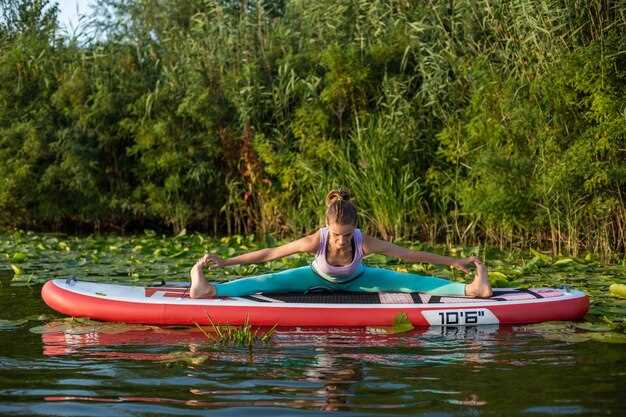 アブダビ マングローブ カヤック ツアー – ガイド付きエコ アドベンチャー">
Recommended: book the Abu Dhabi Mangrove Kayaking Tour with a padi-certified guide to protect health and maximize learning. Two daily sessions run about 2.5 hours, starting at 09:00 and 14:00 to align with moderate tides along the reem coastline. Though the route is sheltered, you’ll get up-close views of mangroves and shorebirds, making it a perfect first step into coastal ecosystems.
Each kayak is lightweight, and you can choose between single or tandem setups. A concise safety briefing and paddling technique lesson helps you gain control quickly, making the experience comfortable for people of varied fitness levels. You can forget worries about speed–the guide maintains a steady rhythm that balances safety and observation. After booking, you receive updates by メール with your slot details.
On the water, guides slow the pace to spotlight mangroves and birds, helping you learn how mangroves support coastal health by filtering sediment and stabilizing shorelines. You’ll enhance ecological literacy without disturbing nests, and the route follows tides to reveal narrow channels where crabs and herons forage. If you want to dive deeper into coastal ecology after the tour, your guide can point to nearby snorkeling options and other programs, including padi-certified instructors in the area.
For families, first-timers, and teams, the tour offers an accessible rhythm, clear safety protocols, and honest exposure to wildlife you’ll see. The sunrise and late afternoon slots reveal different light on the mangroves and can extend your visit with a short walk along the boardwalk to conclude at a nearby cafe offering local snacks. The experience is designed to be comfortable, informative, and perfect for memorable moments with people from various backgrounds, making it easy to enhance your overall trip.
To maximize value, combine the tour with a short visit to the nearby mangrove reserve or the reem Island promenade for a post-trip stroll. This approach aligns with Abu Dhabi’s sustainability goals and is a fait accompli of responsible travel, offering a gentle pace, recommended by local guides for first-time explorers who want a meaningful connection with nature.
Practical planning for a mangrove kayaking day
Take an early morning slot and book your ticket in advance to secure calm water, clearer mangrove views, and a smoother briefing. If you want flexibility, you have a choice between a standard kayak with a guide or a longer ecological excursion that includes a brief swim stop. If you’re coming from dubai, plan an overnight stay to maximize convenience the next day.
Health and safety matters on the water. Put on a properly fitted lifejacket before you push off, and pack a small health kit with water, sunscreen, a hat, and a towel. The guide will brief you on paddling technique, safety signals, and how to stay within the ecological reserve while you move through the mangroves, all while keeping the group pace comfortable for kayakers of different levels.
All kayaks and safety gear are provided by the operator; you only need to bring water and a dry bag for valuables. For convenience, choose a hotel pickup if you’re staying in a dubai-area hotel, or walk to the launch site if you’re nearby. This option suits beginners and seasoned kayakers alike, as guides tailor pacing to the group. Many dhabis guides operate in the area and tailor times to conditions, which helps with convenience and pace.
Check tide times and wind forecasts the day before, so you can plan the best route. If you are seeking close-up mangrove scenery, your guide will highlight bird roosts, crab habitats, and hidden coves while keeping a respectful distance from nesting areas. exciting wildlife encounters await if you stay alert and quiet.
Wear quick-dry clothing and water shoes; you can swim briefly if conditions are safe, but listen to the guide and stay near your group. Apply reef-safe sunscreen before launch; bring a dry bag for valuables and a towel for after the paddle. While kayaking, keep yourself hydrated and pace your strokes to avoid fatigue.
Ticket options vary by duration and inclusions. Some packages include hotel transfer, a light snack, and a souvenir photo. For value, compare a standard kayak with a short break versus a longer trip that explores multiple mangrove channels. Your expert guide adds context about flora, fauna, and conservation, helping you understand the ecological importance of the reserve, especially for kayaking enthusiasts who want more depth.
Families with children should keep pace with a calmer group, and kids must wear lifejackets and hold the paddle with a steady hand when entering and exiting. The guide maintains a safe, predictable rhythm so kayakers of all ages can enjoy the scenery.
heres a quick checklist to keep the day smooth: arrive 20 minutes before the briefing, take your lifejacket and paddle, pack water and a dry bag, wear quick-dry clothing and sandals, and respect the ecological setting during paddling. If you want a seamless experience, consider a package that includes hotel pickup and a short transfer to the launch site in a dubai-area accommodations.
Best time and tide planning for Abu Dhabi mangrove kayaking
Plan for dawn during the high-tide window in the cool season: November through March, roughly two hours before to two hours after high tide. This window helps provide steady water levels, reduces mud exposure, and enhances wildlife viewing.
Tides vary by month and moon phase. In Abu Dhabi mangroves, channels are most navigable when water is deeper, which happens around high tide. The beauty of the mangrove forest–palm fronds, roots, and the many species–is best seen with soft morning light and calm conditions. Expect more stable paddling when winds stay light, typically 5–10 knots.
Guides evaluate daily conditions and suggest routes that fit your skill level. The instructor teaches paddling technique, assesses risk, and secures gear and PFDs. For families, routes include small crossings and short stretches that work for child participants. They monitor currents and guide the group to safe, enjoyable spots.
What to bring and wear: bottled water, reef-safe sunscreen, a lightweight layer, a hat, and shoes you can get wet. A small dry bag keeps valuables dry, and snacks help maintain energy on longer sessions. At the end, a quick change of clothes restores comfort and lets you enjoy the view again. If you need extra warmth, bring a light layer.
During the trip, monitor conditions and adjust pacing with the guides. You’ll discover palm-lined banks, roosts of birds, and intricate root systems that shelter marine life, and you can discover more about the mangrove ecosystem. This planning keeps the view calm and focused, and the experience is enabled by safe practices.
Marketing reality: beware of claims from spambots and overselling tours. Always verify whats included and rely on official operators. The aim is to provide a secure booking and a responsible eco-adventure that respects wildlife during every visit, so visitors can discover the coast while supporting conservation efforts.
What to wear, bring, and how to pack for comfort and safety
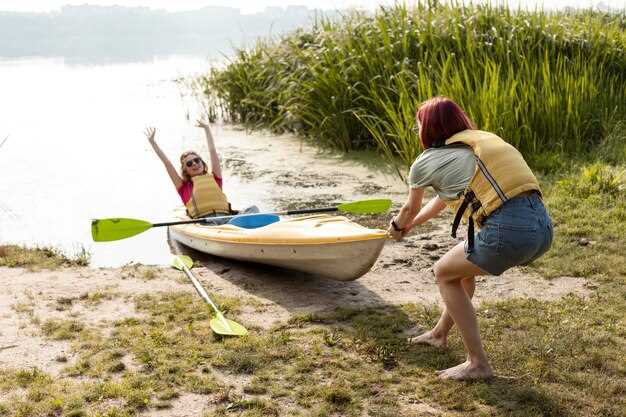
recommended: wear quick-drying long-sleeve top, lightweight pants or shorts, and footwear with a secure back strap. This setup helps reduce sun exposure, chafing, and slipping while paddling. Mind the wind on open water and layer with a breathable shell to stay comfortable throughout the tour.
What to bring: a small dry bag, wide-brim hat, polarized sunglasses, reef-safe sunscreen (SPF 30+), a refillable water bottle, and a light windbreaker. Each participant receives a dry bag; keep valuables in a waterproof pouch. Afterwards, rinse off salt at the shore facility and hydrate before resuming activities.
Packing tips: carry a compact towel and a minimal first-aid kit, and keep electronics in a waterproof case. Approximate total gear should weigh around 5–6 kg per person; use a comfortable daypack with two compartments to separate layers, snacks, and sun protection. A cooler can hold drinks and snacks for the group, reducing trips back to shore.
On the water and safety: stay with the group and follow the guide’s instructions. The guide uses simple technologies to monitor routes, weather, and participant alerts, ensuring smooth transitions between mangrove spots. If you need extra guidance, speak up so the group stays coordinated. Note that scuba gear is not required for this tour, which focuses on paddling and shore encounters rather than diving.
After the paddling: the city dhabi backdrop and occasional camel silhouettes along the coastline offer memorable photos. Keep mind on staying hydrated, reapply sunscreen as needed, and stretch gently to loosen shoulders and back while reviewing the tour highlights with the group. Over years of guiding in this estuary, the team has learned how to pace gear and water breaks for participants, keeping the experience safe and enjoyable for the encounters ahead.
Tour route, duration, and expected paddling effort
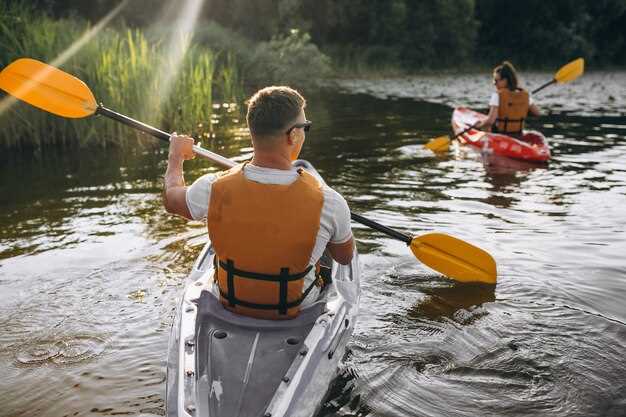
Begin with a 2.5-hour, beginner-friendly route along protected mangrove creeks, with a gentle pace and a short on-shore barbecue break. Early starts offer softer light for wildlife watching, and you dont need prior paddling experience to enjoy it. Your guide keeps the group together using hand signals and practical safety practices, and follows international safety guidelines to ensure everyone stays comfortable.
Route highlights
- Length and path: about 4 km total, staying within sheltered channels that vary with tides, which influences passage width and the rhythm of paddling.
- Wildlife and scenery: pink flamingos, egrets, and fiddler crabs, with mangrove roots creating shade and a sense of immersion.
- Rest and highlight moment: a brief on-shore pause for a light barbecue snack, a shoreline view, and a quick gear check before continuing.
時間とペース
- On-water time: approximately 2.5 hours; total experience around 3 hours including briefing and shore break.
- Time of day: early morning slots are best for calm water and bird activity; late afternoon can be pleasant but wind may rise.
- Pace: easy for casual paddlers, with typical speeds of 2–3 km/h; if conditions stay light, experienced paddlers can edge toward 3–4 km/h while keeping a relaxed rhythm.
Paddling effort and guidelines
- Level: easy for most guests; some segments require agile turns near mangrove roots, which adds a little challenge but remains comfortable for beginners.
- Efforts: your body uses low-level effort most of the time, with little elevation change and steady strokes.
- Methods and safety practices: use forward paddling with torso rotation; keep hands relaxed, wrists loose, and follow guide instructions; safety practices include wearing provided PFDs and staying within marked routes.
- Equipment and provisions: we provide paddles, PFDs, bottled water, and dry bags; you should bring sun protection and a light jacket if needed.
- キャンセルと柔軟性:24時間以内のキャンセルは全額返金されます。天候に起因するキャンセルは全額返金されます。悪天候の場合、代替の日付を提供することがあります。
- 持ち物とガイドライン: 時間厳守; 補水用のボトルを各自用意してください; 環境への影響を最小限に抑えるためのベストプラクティスに従ってください; 全てのゲストは安全ガイドラインに従う必要があります; ご質問がある場合は、ガイドが明確な指示をいたします。
安全の基本:ガイド、ライフジャケット、水上でのパドリングルール
パドルを始める前に、適切にフィットしたライフジャケットを着用し、外出中も着用し続けてください。ストラップを点検し、バックルを調整し、準備中にギアが緩んでいると感じたら、ガイドに伝えてください。
ガイドは、水上の人々が何を見込むべきかについて説明し、現在の状況を説明し、自信を持って安全に参加できるようにパドリングの合図を説明する熟練したインストラクターです。
指定されたルートを通って移動し、サイト内では一列に並んでください。野生生物やマングローブの生息地を守るため、声は低く保ってください。ガイドの許可なしに方向転換せず、狭い場所では水しぶきが出ないように、滑らかなパドリングを心がけてください。
水分補給は重要です。水上での時間のために水を持参し、定期的に飲み、集中力を維持してください。軽量に梱包し、廃棄物を密閉バッグに入れ、生態学的生息地や公園を保護するために、指定された場所でのみ廃棄物を処分してください。また、野生生物との遭遇を観察するための静かな場所を探してください。
ご利便のため、サイトでは乗車前後に質問に対応するための連絡先(メール)と、安全に関する説明を明確に提供しています。ご自宅からお越しになる場合は、ホテルと送迎の詳細を調整し、グループの進行を維持するために集合時間を改めてご確認ください。
強い流れに遭遇した場合や、不安を感じた場合は、専門家に伝え、一時停止してください。これはオプションではありません。 グループ内では、マングローブ生態系の美しさを観察する時間、野生生物を邪魔することなく、グループ内に留まり、責任を持って参加してください。条件は季節や天候によって異なります。穏やかな練習でパドルストロークに慣れると、経験が年々豊かになります。
野生生物観察と写真撮影:撮影中に環境を尊重する
コンパクトなものから始めましょう、 防水 カメラ用のバッグと、個人用アイテム用の別の防水バッグを用意してください。使用前にしっかりと固定してください。 transfer パドルボートに乗る際は、こぼれを防ぐため、ポケットを空にしておいてください。
約十メートルから野生動物を観察し、声を出さずに鳥やマングローブの生息者たちが水際で餌を捕食したり休息したりするのを邪魔しないようにしてください。
フラッシュや明るい人工的な光は使用せず、自然光を頼りにし、ISOを慎重に調整し、落ち着いて安定した手で構図を決め、カメラを胸の高さに保つことで、邪魔を最小限に抑えましょう。
カヤックを漂流させ、追跡するのではなく、被写体を待ちましょう。生き物が動いて離れていってしまったら、一時停止して、撮影を再開する前に、落ち着かせるようにしましょう。
安全な距離のために中程度の望遠レンズを選び、すべての機材を保護してください。 防水 バッグ;予備バッテリーとバックアップを乾燥したジッパー付きの場所に保管し、凝縮を解消するために、アイテムを徐々に温めます。
常に敬意を払った距離を保ち、野生動物に餌を与えず、水面を叩くのを控えましょう。これによりストレスを軽減し、他の訪問者や将来の旅行のためにその風景を保全できます。持ち込んだすべてのゴミ袋は持ち帰り、廃棄物用のバッグを再利用してください。決してゴミ袋や食べ物を海岸に放置しないでください。
パドル後、落ち着いたペースでショットを評価してください。デバイスにダウンロードしてください。 provided あなたのガイドによって、アクセス可能な場合はクラウドにバックアップします。 統計 from local guides show calmer sessions yield cleaner, more expressive images. For logistics, the address of the meeting point and approximate times 共有され、短い transfer back to the city 手配することができます、それで 夕食 オプションはご希望に応じてご利用いただけます。 دhabiのマン groveと近くの砂丘エリアは、辛抱強い観察と慎重な写真撮影によって報われます。