


 Italiano
  English (UK)
  Русский
  বাংলা
বাংলা  العربية
  日本語
日本語  한국어
한국어  Magyar
  Norsk nynorsk
  Türkçe
  עִבְרִית
  Español
  Čeština
  Svenska
  Português
  Ελληνικά
  Suomi
Suomi  Nederlands
  Română
  Français
  Polski
  Українська
  Deutsch
  简体中文
简体中文  Slovenčina
  Српски језик
  اردو
اردو  Azərbaycan dili
  O‘zbekcha
  አማርኛ
አማርኛ 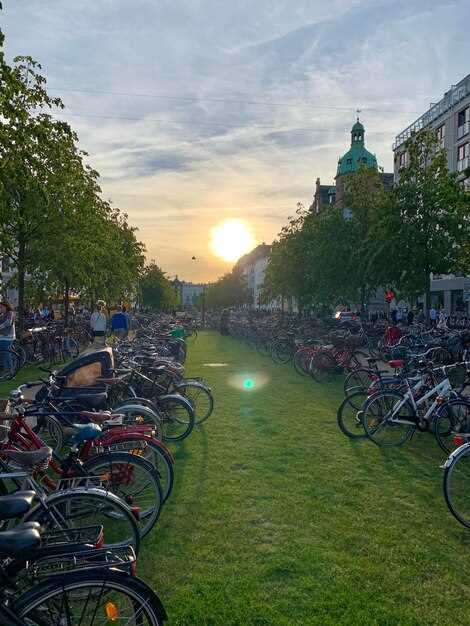 Ciclismo ad Amsterdam – La guida definitiva per andare in bicicletta nella capitale olandese">

Rent a sturdy city bike for your first day and map a concise loop that covers Dam Square, the Jordaan canals, and Vondelpark to feel Amsterdam on two wheels. That quick start definitely makes you confident within an hour and helps you decide your preferred style–upright comfort or faster pedaling–before you hit longer routes.
Amsterdam offers an extensive network of bike lanes and crossroads that make navigation straightforward. With bikes, you can ride throughout the city, crossing canals and passing through many areas with ease. Parking near central stations or on the outskirts of busy districts is easier than you think, but use a sturdy lock and remove the front wheel when needed to deter theft.
Join a club or visit a shop to tailor your ride. Many clubs organize weekend routes, and a shop can attach panniers or lights and show you maps for a full day trip. An awarding badge is common in some clubs after friendly challenges, which adds motivation for a first-time rider and a person looking to stay on track.
For an authentic feel, wander around the Jordaan and the canal belt; if you crave a vibe akin to trastevere, you’ll notice narrow lanes and cozy bridges that invite linger. A quick stop at a cafe in the meandering lanes gives you a sense of place and makes your trip feel personal and authentic. Watch for a small castel-inspired sculpture near a bridge to snap a photo and add texture to your route.
When planning, choose routes by area and day of week; the most popular routes run along the ring of canals and into the Museum Quarter, but you can also explore the spacious parks and along harbor edges for a slower pace. With a clear choice of areas, you can design a day that balances bike time, coffee breaks, and shoreline views. If plans shift, you can cancel a guided ride with most organizers without penalty.
For a personal touch, count on many locals who ride with you, and a person can join a late ride or an early morning loop. The city makes it easy to adapt and enjoy a ride at your own pace, with routes clearly marked on maps and apps so you never feel lost.
Practical Insights for Biking in Amsterdam
Always use two locks: a heavy U-lock and a second chain lock, then tether to a fixed rack. Park in well-lit, busy spots and leave enough space for pedestrians and other cyclists.
Types of lanes you’ll encounter include wide separated cycle tracks, painted on-street lanes, and dotted guidance lines near junctions. Notice how signs and curb guidance help you stay confident on busy routes.
Most theft happens when bikes sit unlocked near tram stops or stations; remove accessories, avoid flashy racks, and secure to fixed anchors with two points of contact. If you can, bring a compact lock sconce or carry a lightweight foldable lock for quick holds during short rests.
Brakes deserve a quick check every morning: test both brakes, inspect pads for wear, and ensure brake cables aren’t frayed. Replace worn parts before your ride, and keep lights charged for dusk trips along canals.
First-timers should practice in calm areas such as Vondelpark or the Museumplein before tackling busier routes. Start with low speeds, signal clearly, and use the bell to alert pedestrians at shared spots.
Walking near crowded corners requires lowered speed and extra attention. Use a clear bell signal and pass on the left when safe, giving pedestrians ample room on narrow paths along canal edges.
Dyks and waterfront paths invite scenic riding; ride along the dykes for flat views of water, but watch for crosswinds and keep a firm grip on the handlebars. Some routes run near Punta, offering quiet sections away from crowds.
Rest and refuel along your ride: plan canal-side benches or squares for quick breaks, and refill your bottle at water taps where available. A light pasta snack or other portable fuel helps sustain energy for longer explorations without slowing you down.
Full-day explorer plans pay off with careful mapping: if youre planning a full-day explorer, preload maps, carry a light rain jacket, and schedule a pasta lunch stop to recharge. Start early to maximize daylight and avoid peak crowds around central stations.
Locks, lights, and visibility create a safer loop: carry a spare battery for your front light, secure valuables with a small pouch, and park only at authorized racks to minimize theft risk. Also, youre likely to appreciate smart bike racks with built-in anchors at major hubs to speed up your rest breaks.
Where to Rent a Bike: Pick-up Locations and Quick Tips
Rent at Amsterdam Central Station’s MacBike for quick access to a bike after you step outside.
- Central start points: Amsterdam Central Station, Dam Square vicinity, Leidseplein, and Museum Quarter host desks with a wide range of sizes and gear.
- Other convenient hubs: canal belt neighborhoods and the Jordaan also serve as solid starting points.
Start quickly with these steps:
- Find a desk in your preferred neighborhood; hours vary by season. If you want to begin early, head there before 10:00.
- Bring a valid ID and pay with card or mobile payment; helmets and locks are usually provided on request.
- Inspect the bike: brakes, tires, gears, seat height, and bell. Request a quick check if anything feels off.
- Choose a return point so you avoid extra charges and you’re set for an easy finish near your next stop.
Extras and notes:
- A basket and bell are common add-ons; if you need a child seat, ask in advance.
- Use the maps or a simple route via bike lanes to glide along the canals and into quieter neighborhoods after your initial loop.
- Many desks cluster in the central zone around major crossings along transport routes, so you’ll find a desk within a short walk from most hotels. For calmer rides, head toward the Jordaan or Museum Quarter after your first loop.
- Return late may be tricky; check the closing hours and plan accordingly.
Key Cycling Rules in Amsterdam: Right of Way, Lights, and Hand Signals
Always yield to pedestrians at zebra crossings and when they step onto a bike path; slow down and stop if needed. This respect is part of Amsterdam’s history and keeps riders safe amid narrow house fronts along side streets near vondelpark and in charming district corners.
Right of way follows the citys network: on fietspads cyclists have priority over motor traffic, but pedestrians always take precedence on sidewalks and at crossings; at tram intersections, look both ways and yield to approaching trams. If you need a quick refresher, observe a short guided loop to learn the flow before you ride.
Lights and visibility: install a front white light and a rear red light for rides from dusk to dawn and in reduced visibility; carry reflectors and keep the battery charged; a bell helps when you need to speak to pedestrians and warn bystanders ahead.
Hand signals: European signals work well here; use clear arm signals: left turn = extend left arm straight; right turn = extend left arm upward; stop = extend left arm downward; make signals early and keep them visible until you complete the maneuver.
Gears, speed, and lane discipline: shift gears smoothly before a turn, take a steady pace, and stay on the right side of the bike lane; avoid weaving into pedestrian zones or crossing paths; practice braking on damp surfaces to stay safe over slick pavement.
Planning tips: plan routes through vondelpark and the charming citys districts; a recommended 2-day itinerary helps you see the full network without fatigue; start in a central hub, then take back streets to avoid crowds and enjoy quieter vibes.
Shopping and services: most shops and bike rental companies offer gear and maintenance; many Dutch companies accept credit cards; ask peters at a local shop for a recommended route and a starter gear list; you can pick up a spare lock or helmet at the same shop for added peace of mind.
Freedom to explore: beyond central routes, you have freedom to roam quiet lanes in the citys outskirts; start early, take a scenic ride, and speak with locals about coster stories from the markets; this completes the Dutch biking experience and keeps your ride feeling free and complete.
Bike Lanes, Trams, and Shared Spaces: How to Stay Safe
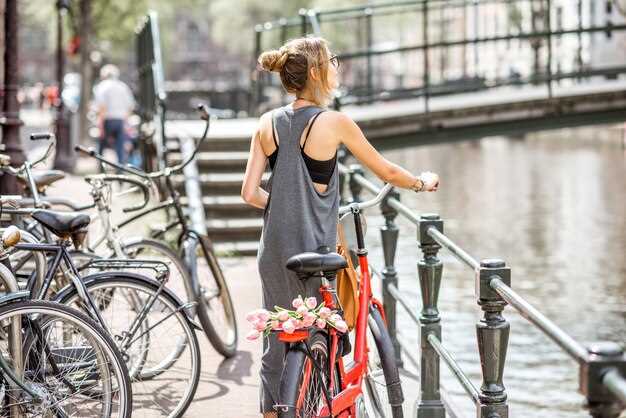
Always ride in the designated bike lanes and slow at tram tracks; proceed only when signals indicate it’s safe. What you wear matters: bright colors and reflective elements keep you visible to motorists, pedestrians, and tram operators, making your ride along the canals safer and more comfortable.
Which cues signal safe crossing? Look for the green light at crossings, check for approaching trams before entering rail zones, and avoid weaving between parked cars. Keep a steady pace, stay centered in the lane, and leave space for pedestrians on busy paths to maintain a respectful flow. Motorcycle riders sometimes share adjacent lanes; keep a safe buffer and don’t cut in front.
Shared spaces require extra care: in areas where bicycles, pedestrians, and buses share streets, always signal turns, anticipate door openings from parked vehicles, and give trams several meters of buffer. Use the bike lane’s edge line as your guide, and ride defensively near busy intersections to reduce conflicts.
Plan ahead when you rent: compare prices, choose reputable shops, and reserve bikes during peak months to avoid shortages. A typical rental runs from €8 to €15 per day, with higher prices in tourist hotspots; check what is included in the rate, such as a helmet or a lock, and what is provided by the shop to ensure you are ready for a long ride.
Documentation and etiquette: some shops ask for a passport or a copy of ID for the rental, so bring the required documents or a copy. When you park, use coin-operated stands or fixed racks provided by the shop and remove wheels from the curb to protect the bike from traffic flow. If you grab a quick cooking snack by the canal, take care not to leave litter.
Tips for the city’s policy and sources: follow amsterdams policies for cycling safety, and check источник for current tram durations and service updates. Reviewers often mention the ease of renting near the museum district, but avoid making assumptions–prepare by mapping a 2–3 hour loop that includes a rest at a canal-side cafe, where you can enjoy a small snack and plan the next leg of your route.
Guided Cycling Routes: From Dam Square to Jordaan and Beyond
Booking a guide for this route guarantees a smooth pace, clear directions, and insightful commentary–the right choice for hitting the best sights. The Dam Square to Jordaan loop runs roughly 8–12 km, suitable for a relaxed ride that suits solo explorers and families alike. Start early to enjoy quiet streets and soft morning light. With the right guide, the ride feels relaxed and engaging.
Da Piazza Dam al quartiere Jordaan: Da Piazza Dam, dirigiti verso Montelbaanstoren, poi lungo Prinsengracht e Brouwersgracht fino al quartiere Jordaan. Una sosta a Napoleonplein offre un'opportunità per scattare foto prima di entrare nel quartiere. Un rapido cenno a Napoleone durante la sosta aggiunge un tocco di storia. Aspettati canali tortuosi, case a timpano e angoli di caffè pronti per una pausa veloce o una dose di caffeina.
Oltre Jordaan, estendetevi verso gli Eastern Docklands lungo la riva del fiume IJ per vedere magazzini in mattoni accanto a nuovi appartamenti. Rientrate attraverso la cintura dei canali e poi attraverso il quartiere Nine Straatjes, creando un percorso circolare che mantiene comunque un ritmo rilassato. Un'opzione più lunga aggiunge circa 6-8 km ed è adatta a ciclisti con un'andatura costante.
Consigli per cenare e prenotare: per una cena a base di pasta dopo il giro, scegli un locale informale nel quartiere Jordaan o lungo il Brouwersgracht. Molti posti offrono posti a sedere adatti alle bici e opzioni da asporto. Chiedi consiglio alla tua guida; può personalizzare il percorso in base a diversi interessi e adattarsi a ritmi diversi, condividendo esperienze e storie locali durante il tragitto.
Nota stagionale: nel periodo natalizio, le luci e i riflessi sul canale creano un'atmosfera speciale. Porta con te una copia della conferma di prenotazione e una piccola mappa, e goditi lo scambio di consigli con la tua guida mentre esplori alcune calli. Se desideri una foto finale, chiedi una sosta ispirata alla Punta lungo il percorso.
Parcheggio e sicurezza delle biciclette: come legare la bici in prossimità di musei e parchi
Assicura la tua bici con un lucchetto a U resistente a un portabiciclette fisso e aggiungi un secondo lucchetto per la ruota anteriore o il reggisella. Questo metodo a due punti scoraggia la maggior parte dei furti e mantiene la tua bici pronta per la prossima tappa della tua giornata.
Scegli posizioni luminose e ben illuminate con chiara visibilità vicino agli ingressi dei musei e ai bordi dei parchi, come Museumplein e i confini del Vondelpark, dove la presenza del personale e le telecamere fungono da deterrente. Se pedali con bambini, fissa l'attrezzatura al telaio ed evita di lasciare borse sul manubrio o sui portapacchi che invogliano al furto con strappo.
Per i soggiorni più lunghi, preferite le strutture private o i depositi bici al coperto presso gli snodi dei trasporti. Queste posizioni offrono in genere la sorveglianza di una guardia e una prenotazione più semplice per un itinerario di 2 giorni. Prenotate online quando possibile per garantirvi un posto durante le ore di punta e confrontate le posizioni in base alla vicinanza al vostro programma, sia che partiate per un breve tour, sia per una giornata più lunga di escursioni nei Paesi Bassi.
Quando parli con il personale o con altri ciclisti, chiedi quali sono le migliori opzioni di parcheggio vicino alla zona che visiterai e prendi nota di eventuali segnali di avviso relativi alle zone a traffico limitato. Se il tuo piano include una traversata in traghetto o un cambio tram, metti in sicurezza la tua bici in un'area sorvegliata ed evita porte o passaggi stretti. Rimuovi sempre gli oggetti di valore e tieni un lucchetto portatile a portata di mano per controlli rapidi.
Le indicazioni delle autorità cittadine e i consigli in tempo reale dei recensori ti aiutano a perfezionare le tue scelte. Per le famiglie, cerca luoghi adatti ai bambini con visuale diretta e facile accesso a elementi acquatici, come le rive dei fiumi o i bordi dei laghi intorno ai parchi. Un approccio completo ti consente di prolungare la giornata senza intoppi mantenendo la bici al sicuro, e ti permette di goderti una rapida pausa tiramisù senza preoccuparti della tua corsa.
| Opzione | Posizione | Funzionalità di sicurezza | Prezzo | Riserva |
|---|---|---|---|---|
| Rack per musei pubblici | Quartiere dei musei, vicino a Museumplein | Rack fissi con telecamere in alcuni punti; aree illuminate. | Gratuito con una piccola tariffa giornaliera | Spesso senza prenotazione; la prenotazione non è sempre necessaria |
| Parcheggio bici privato vicino ai parchi | Adiacente agli ingressi dei parchi e ai caffè | Sorvegliato; accesso monitorato | Moderate | Sì, meglio prenotare in anticipo. |
| Ciclofficine presso gli snodi di trasporto | Amsterdam Centraal e stazioni principali | Armadietti o depositi sorvegliati; sicurezza visibile | Low to moderate | Si consiglia di prenotare durante i periodi di maggiore affluenza. |
| Garage privati vicino ai musei | Aree commerciali adiacenti; centri di distretto | Accesso 24 ore su 24, 7 giorni su 7, telecamere, personale occasionale | Prezzo più alto, tariffa giornaliera fissa | Si consiglia vivamente di prenotare |