


 Italiano
  English (UK)
  Русский
  বাংলা
বাংলা  العربية
  日本語
日本語  한국어
한국어  Magyar
  Norsk nynorsk
  Türkçe
  עִבְרִית
  Español
  Čeština
  Svenska
  Português
  Ελληνικά
  Suomi
Suomi  Nederlands
  Română
  Français
  Polski
  Українська
  Deutsch
  简体中文
简体中文  Slovenčina
  Српски језик
  اردو
اردو  Azərbaycan dili
  O‘zbekcha
  አማርኛ
አማርኛ 
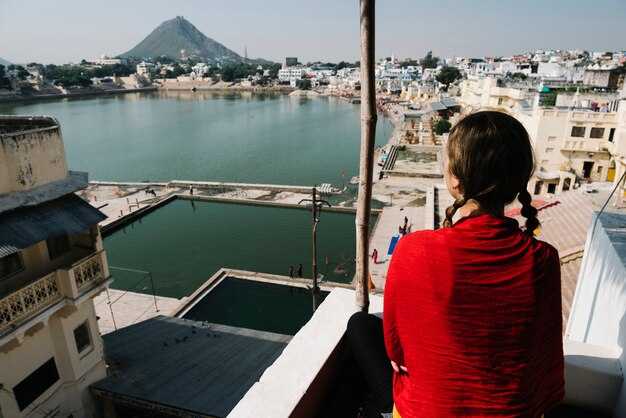
Starting at dawn to capture the beauty over the lake and forested slopes. A crisp morning light makes the peak silhouette pop, ideal for fotografia, and avoids heat and crowds that build later in the day.
This itinerary combines stops at the tranquil yamanaka village, a vessel journey across the water, and a cable car ascent to elevated viewpoints, offering immersive scenery.
Professional guides provide concise briefings, while complimentary fotografia stops let you adjust gear and angles; ensure you carry equipment such as a versatile zoom lens and a sturdy tripod.
These experiences are suitable for both beginners and seasoned travelers, delivering an ideal balance of culture, nature, and fotografia opportunities; the stops include a lakeside village, forest clearings, and high viewpoints to enjoy.
From tokyo, a quick rail transfer into the foothill area marks the start, followed by a short transfer to the starting point where you can climb toward vantage points and capture reflections over tranquil waters. These plans are designed to be flexible, offering a comfortable pace and space to pick moments you picked along the way to enrich your fotografia.
Itinerary specifics: Start time, duration, and meeting point
Starting around 07:30, meet at the North Exit of fujiyoshida station. A guide-led coach departs promptly; first stop is Oishi Park for panoramic views over the lake and surrounding hills. The day continues with a relaxed lake-side watercraft ride, offering close-up vistas and convenient photo opportunities. This arrangement is enjoyable and efficient for guests arriving on time.
There is an available option to join from Yamanaka-ko village at 08:00, with a short transfer to the Kawaguchi area to continue the loop. The itinerary includes a guided, bilingual commentary that explains local culture, landscape features, and safe photo angles. Key stops include additional panoramic sightseeing around the shore, delivering enjoyable, iconic views. The schedule is provided by a local operator and kept convenient by a single briefing at the meeting point; updates can be shared via WhatsApp, and the source will confirm any changes.
Boat Cruise Route, views, and on-board highlights
Choose an early-morning sailing from fujiyoshida port for calm water and crisp reflections; this option runs approximately 60–75 minutes and yields the best light on Kawaguchi-ko’s western shore. Confidence grows as an english-speaking guide will accompany guests and deliver precise information about the scenery, local life in the village, and historical landmarks, supported by источник information from local sources.
- Route overview: The vessel departs from fujiyoshida, traces Kawaguchi-ko’s western shoreline, brushes pine-fringed promontories, and returns to the quay. The total duration is approximately 60–75 minutes, with optional on-shore visits to a lakeside park and a small village pier.
- Views and feature: This route features stunning panoramas of glassy water, distant mount, forested hills, and reflections along the promenade; large windows and a sheltered deck maximize sightseeing opportunities.
- On-board experience: The guide will accompany guests and provide information about geology, local culture, and wildlife; guests have access to headset narration and there is free time on the deck for photos.
- Stops and visits: Short visits to kawaguchi-area villages offer snacks, crafts, and fresh perspectives on daily life; there are opportunities to photograph from the pier and the park area near calm coves.
- Equipment and tickets: Equipment such as binoculars may be available; guests should bring light rain gear and a small bag; tickets can be booked online with flexibility to reschedule if weather or water levels require changes.
- Accessibility and notes: theres a range of accessibility options, including assistance for guests who need extra support, and guides who stay attentive to individual needs; information about local spots is provided directly by the crew.
Ropeway Experience: Viewing platforms, altitude, and ride duration
Opt for a round-trip gondola ride from the kawaguchi area to maximize sightseeing time and simplify logistics. The system includes two viewing platforms: the lower deck offers an immediate lake and park panorama, while the upper deck delivers substantial altitude and far-reaching sightlines over the surrounding landscape. The experience is enjoyable for people of all ages, though weather can affect visibility, and it provides an opportunity for experiencing memorable photos during the visit.
Altitude and panorama: the upper platform sits at a notable elevation, yielding breathtaking vistas that highlight the park, lake, and distant ridges. The ascent is gentle and suitable for most visitors, and the iconic silhouette of the region remains visible even from above. The provider manages access with measured capacity and English-language guidance provided on board.
Ride duration and timing: One-way travel time averages about 4 minutes; round-trip onboard time is around 8 minutes. Plan 15–20 minutes total for the ride and platform time, and add extra minutes if you intend to linger for sightseeing or to include Kawaguchi Park as part of your itinerary in the surrounding area.
Consigli pratici
- Suitability: ideal for families, couples, and solo travelers who like elevated sight-seeing from vantage points; this ride is suitable for most people and provides an opportunity to add to your itinerary.
- Timing and crowds: aim for a morning slot when visibility is clearest and crowds are smaller.
- Disruptions and restrictions: winds or weather can cause cancellations; check restrictions before visiting; the provider updates notices in English.
- Safety and health: covid-19 measures are provided; cabin surfaces are sanitized, and occupancy is monitored to align with local guidelines.
- Tips for the visit: wear light jackets, carry a compact camera, and plan to visit Kawaguchi Park and surrounding zones after the ascent to extend sightseeing.
What’s Included: Transportation, guides, tickets, and meals
Choose the full package to lock in round-trip transfers from shinjuku, a professional english-speaking guide, and all tickets and meals, plus a ropeway ride and visits to yamanaka and sengen. This setup delivers confidence and a natural flow through breathtaking scenery, with additional stops available to fit your pace.
Transport and guide services
Reliable coach-style transport operates on a seamless loop starting at shinjuku, with punctual pickups and comfortable seating. The guide is professional and english-speaking, ensuring clear explanations and helpful tips for families, solo travelers, and groups. Flexibility is built in: you can adjust the pace, linger at there or there, and combine multiple visits into a single day. The round-trip logistics come included, and free water is provided on board to keep everyone energized.
Tickets, meals, and entry
Ticketing covers access to the ropeway and entry to key stops such as sengen, with additional visits available if timing allows. Meals are included, typically a lunch option and tea, so you stay fueled for the day’s most captivating moments. After each stop, there’s time for photos by water views and curator-led explanations. The provider coordinates every detail to deliver a seamless experience, and you’ll have an english-speaking guide throughout the visit for any questions or translations.
Best Time for Fuji Views: Seasonal lighting, weather, and crowd patterns
Best time for the most reliable, panoramic views is the pre-dawn window in late autumn and mid-winter. Guided starts 60–90 minutes before sunrise reach Oshino village and the Sengen-area viewpoints with the best natural light. This option delivers stunning results and is most available on weekdays away from peak holiday spikes; though crowds can surge around holidays, the surrounding areas in fujiyoshida provide quieter angles. Rain can alter visibility, but when rain clears the air often remains crisp for hours. The journey around these spots is a fully immersive experience, and the light progression throughout the morning reveals a feature-rich panorama for many travelers. (источник)
Seasonal lighting details show that the best option varies by month: autumn tends to be dry with warm dawn light; winter offers the most crystalline air; spring brings color but more variability; summer exposes haze and higher humidity. Though timing can shift by a few minutes year to year, the window just before sunrise provides the most dramatic views over the land around oshino and the northern approaches to fujiyoshida.
Seasonal Windows for Clear Views
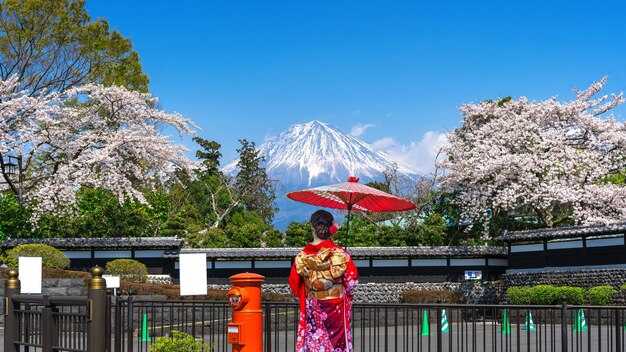
In autumn the air is clean and the sun rises into a steady breeze, making the most of golden hour. In winter the air is exceptionally still, delivering panoramic clarity; rain or low clouds are less common on clear, high-pressure days. The most significant light change happens during blue hour, which is the hour before first light; plan to arrive around 5:00–6:15 a.m. depending on your date. For the best experience, choose a day after a dry spell and avoid days following heavy rain when residual mist can linger over the hills. For a quiet start, target fujiyoshida viewpoints that are reachable by guided routes from the Oshino village corridor, where sengen is a short walk away and parking is moderate.
Those who are exploring this journey around the iconic peak will notice that the weather can shift quickly, though the most reliable periods tend to be those with high-pressure systems lingering across the region. A single person can experience multiple light states during a single morning, and experienced guides can tailor timing to maximize the chances of full, unobstructed views. The option to combine a village stroll with vantage-point stops around the northern basin often yields the most cohesive experience.
| Stagione | Best time window | Weather notes | Schema della folla | Top spots |
|---|---|---|---|---|
| Autumn | Dawn to first light (roughly 05:50–07:10) | Cool, dry, stable air; visibility often high | Moderate; midweek visits preferable | Oshino village overlook; Sengen-area terraces |
| Winter | Blue hour to sunrise (05:40–06:50) | Clear, crisp air; wind chill; potential frost | Lightest midweek; weekends busier but still manageable | North-facing hills near Fujiyoshida base |
| Spring | Early dawn (05:00–06:30) to first light | Varies; pollen; spring showers | Higher around holidays; plan midweek | Shoreline viewpoints around Oshino and lake reflections |
| Summer | Blue hour before dawn or late evening (03:30–05:30) | Humid, hazy; occasional rain | Most crowded; aim for weekdays | Elevated platforms with wide horizons |
Practical routes and tips
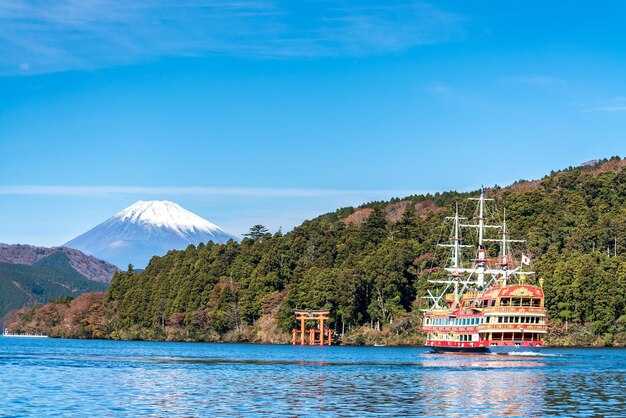
To maximize visibility, choose a guided option that begins before first light and includes Oshino village corridors and fujiyoshida viewpoints. Available schedules vary by season, but most guided experiences deliver flexibility to adjust timing around weather and crowds. If you are experiencing a tight window, opt for a shorter, focused route that prioritizes blue hour over a broad circuit. Restrictions can apply at certain platforms during high winds, so verify the day’s plan with your guide and be prepared to shift to nearby, natural vantage points. For a richer journey, combine a village stroll with a reinforced ascent to a north ridge; this option around the lake area tends to deliver more stable light and fewer interruptions. источник: local climate summaries and park notices.
Practical Tips for Photographers: Gear, framing, and shot suggestions
Set a stable tripod on kawaguchiko’s shore during blue hour; youll lock in soft light and pristine reflections before crowds rise. Arrive approximately 30 minutes before dawn to test focus, frame, and exposure bracketing.
Gear essentials: a light, weather‑sealed body, three lenses (14–24 mm for wide landscapes, 24–70 mm for mid‑range, 70–200 mm for compression), a sturdy tripod, and a remote shutter. Place the tripod over a flat surface to maximize stability; Choose the best lenses for the scene and carry an additional battery; keep a weather‑proof bag to keep equipment complimentary against mist.
Framing tips: Use a wide baseline where the sacred peak sits at one third from the frame’s left edge. Look for clean reflections on kawaguchiko’s surface and avoid clutter by waiting for a pause in people and watercraft; include the conical silhouette of the distant mass as a quiet anchor. Keep horizons level to preserve a seamless composition; exploring different elevations by climbing steps or a ledge can yield different layers of depth. Overlay of light over water yields a balanced scene and adds beauty to the final shot.
Shot ideas you can pick during exploring the area around tokyomount and kawaguchiko: bracket exposures for sky detail, capture long exposures (8–15 seconds) to smooth water on kawaguchiko, shoot silhouettes against the rising light, and try a tight crop to emphasize the peak poking through morning mist. If night skies clear, attempt star trails; aim for confidence by rehearsing a few frames before main crowds arrive; you may cancel other plans if weather dictates and you want to maximize results.
Logistical notes on restrictions and information: You should have a plan B for equipment and sightlines; check hours of access and any restrictions around photography in designated zones; most routes offer complimentary shuttle from kawaguchiko station to preferred overlooks. If weather or light conditions threaten, cancel risk‑free according to policy. Youll find information on equipment allowances, safety rules, and local guidance; tours are picked by most visitors seeking a seamless experience and an overview of beauty around tokyomount; accompany locals during a short pilgrimage to a quieter lookout for added perspective.
Booking, Policies, and Accessibility: Rates, cancellations, and group options
Starting your plan early is essential; reserve seats online at least two weeks ahead to secure peak-season slots and your preferred schedule. The standard package offers a guided journey featuring these stops: an urban gateway at Shinjuku, a stop near a park, a village visit in the surrounding terrain, then a shrine offering panoramic views. This creates an unforgettable experience.
Ticket pricing begins at 75 USD per person; group rates apply for 4–6 travelers (10% off), 7–12 travelers (15% off), and 13+ (custom quote). These rates include the guide, transit between stops, and admission where applicable. Information sheets are available in English and Japanese; phone inquiries for accessibility options, group arrangements, and travel permitting are encouraged.
Cancellation window: free up to 24 hours before start; 24–48 hours prior yields a 50% refund; less than 24 hours, refunds are not issued.
Group options: small groups (2–4) receive dedicated guides; larger groups (5–40) may be split into two or more itineraries to maintain pace and allow all stops at the shrine and the panoramic overlook. Starting points include Shinjuku; hotel pickup or station drop-off can be arranged. Travel duration around 8 hours including a lunch break. Tickets can be purchased near Shinjuku or fujiyoshidas area; transfers between stops are included. Maps are provided on request. Staff can arrange accessibility options and pace adjustments for mobility needs.